Galvanizing Plants Products
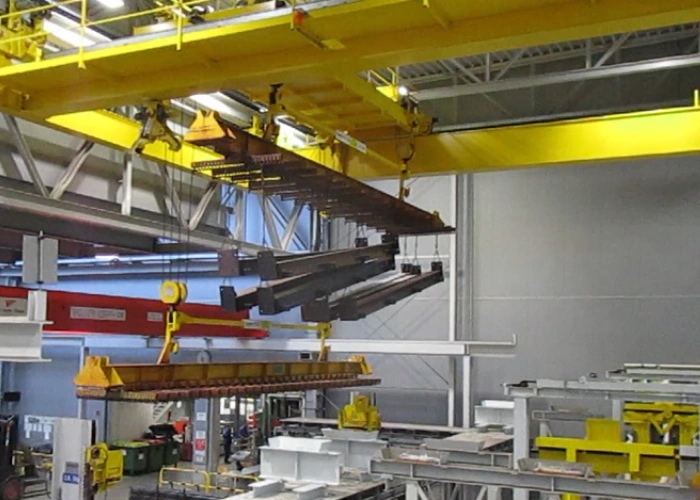
Turnkey Hot Dip Galvanizing Plant
A turnkey hot dip galvanizing plant is a complete, ready-to-run system delivered as a single package design, fabrication, installation, and commissioning all handled by one team. Instead of sourcing a kettle from one vendor, a furnace from another, and fume extraction from a third, you get a plant where every component is engineered to work together from the start. This is usually the preferred route for manufacturers setting up their first galvanizing line, or expanding into a new facility without an in-house engineering team to coordinate multiple suppliers.
General Galvanizing Plant
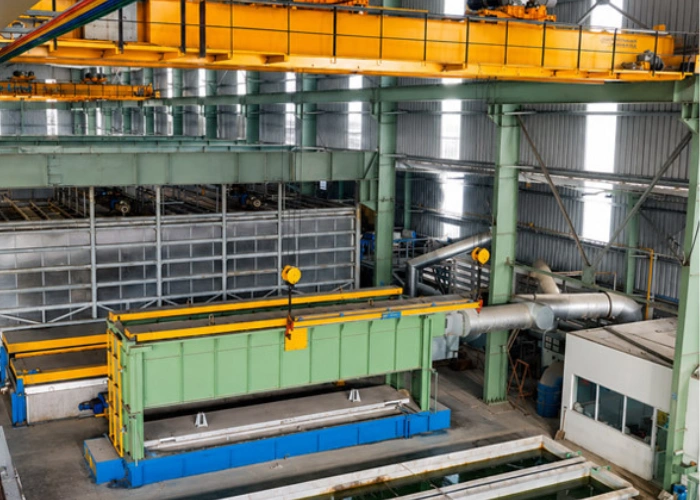
A general galvanizing plant is built for large, bulk-load items structural steel, fabricated components, angles, channels, pipes, and sheet assemblies rather than small parts like fasteners or nuts and bolts. It’s the most common type of hot dip galvanizing setup used by structural fabricators, EPC contractors, and manufacturers producing large-format steel components that need corrosion protection before they leave the factory. Unlike spin galvanizing, which handles small parts in bulk batches, general galvanizing is built around larger kettles, wider dip widths, and crane-based handling for oversized loads.
Tube & Pipe Galvanizing System
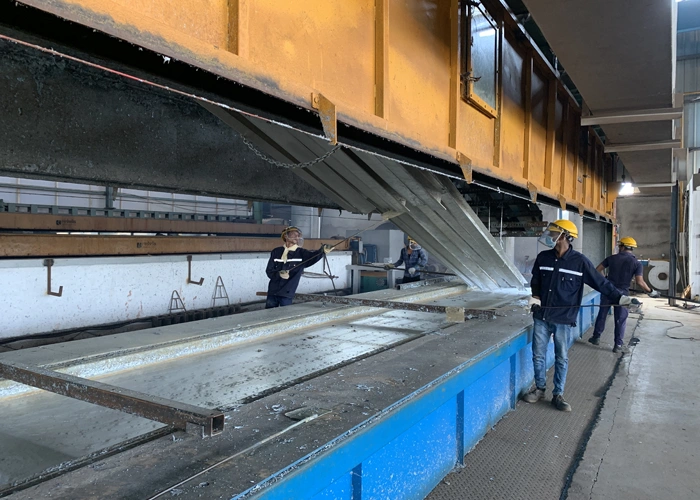
The tube and pipe galvanizing process is tailored to meet the requirements of elongated cylindrical goods, which include pipes and hollow sections. This galvanizing differs from general galvanization in that the latter processes flat or angled structural steels, while the former requires a specialized technique that guarantees an even coating of zinc inside and outside the pipe and tube. This requires specific tank configurations, dipping angles, and draining setups that a standard structural galvanizing line isn’t built for.
Spin Galvanizing Plant
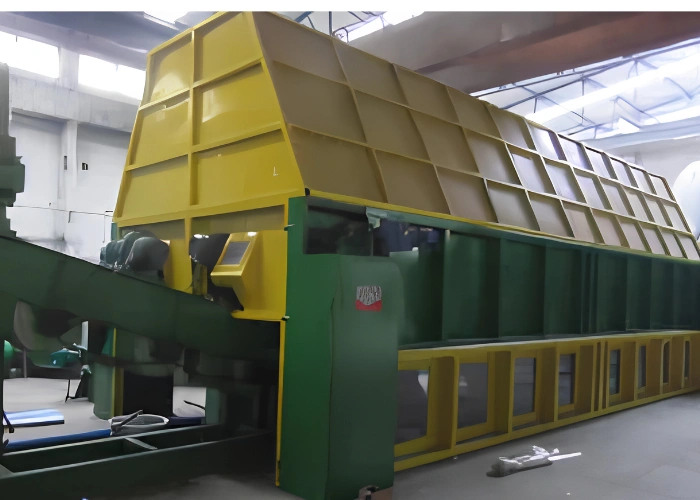
A spin galvanizing plant is built for small parts nuts, bolts, washers, fasteners, and other small hardware components that need to be galvanized in bulk batches rather than individually. After dipping, these parts are loaded into a centrifuge-style spinning basket that removes excess zinc through centrifugal force. This is what keeps threads clear and prevents zinc buildup that would otherwise make fasteners unusable. It’s a completely different process from general or tube/pipe galvanizing, which handle single large components rather than bulk batches of small parts.
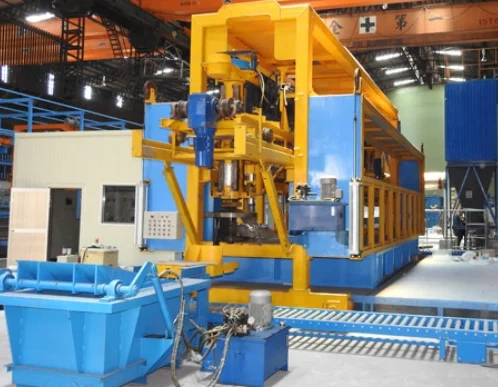
Galvanizing Plant Automation
Most manual galvanizing lines run into the same problem eventually an operator loses track of dip time by a few seconds, or a load sits too long between tanks, and the coating comes out inconsistent. Galvanizing plant automation is what closes that gap. It covers the cranes, jig lifters, transfer trolleys, and control panels that take over the repetitive, time-sensitive parts of the process, so timing between pre-treatment, dipping, and quenching doesn’t depend on someone watching a clock.