Fume & Environmental Systems
Fume & Environmental Systems
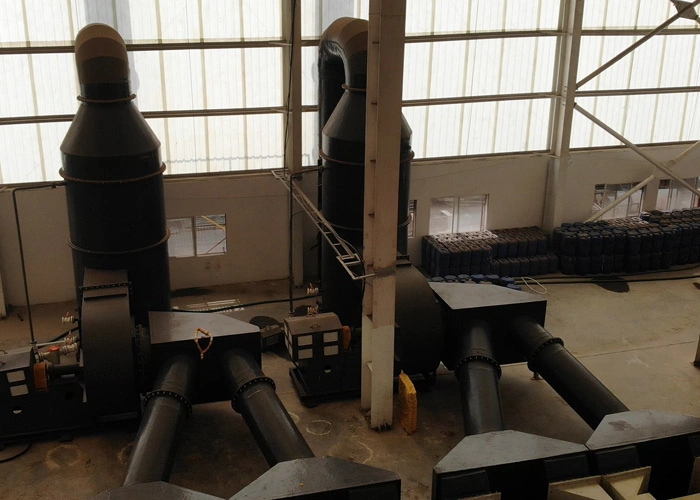
The galvanizing plant produces two different kinds of fumes that require treatment separately: one type of acid fumes produced by the pickling and fluxing tanks, and another kind of zinc fumes produced during the dipping of metal in the kettle. Environmental systems remove and treat these fumes and then discharge clean air in order for the galvanizing plant to stay within the legal limit of environmental pollution and not expose workers to the hazards of acid vapours and zinc oxide fumes. The build-up of both types of fumes on the plant floor is a safety issue before becoming a violation of law.
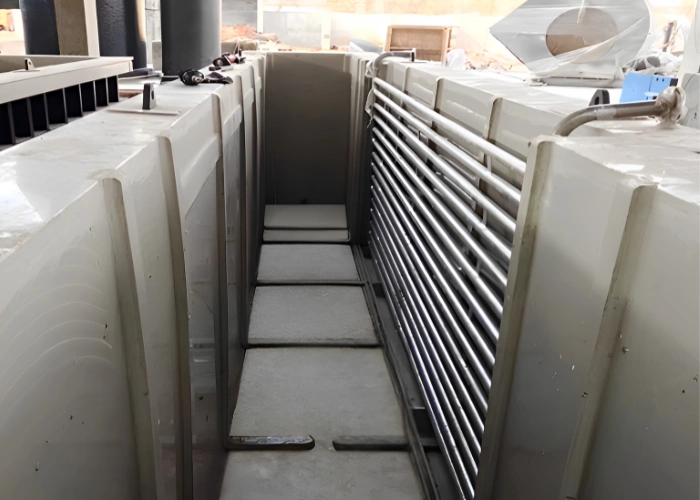
Flux Heating & Regeneration System
Flux does one specific job it prepares the metal surface right before dipping, preventing oxidation in the brief gap between pre-treatment and the kettle. But flux solution degrades with use, picking up iron salts and impurities as components pass through it repeatedly. A flux heating and regeneration system keeps flux at the right operating temperature for consistent performance, while also recovering and cleaning up used flux so it can be reused instead of discarded after every batch.
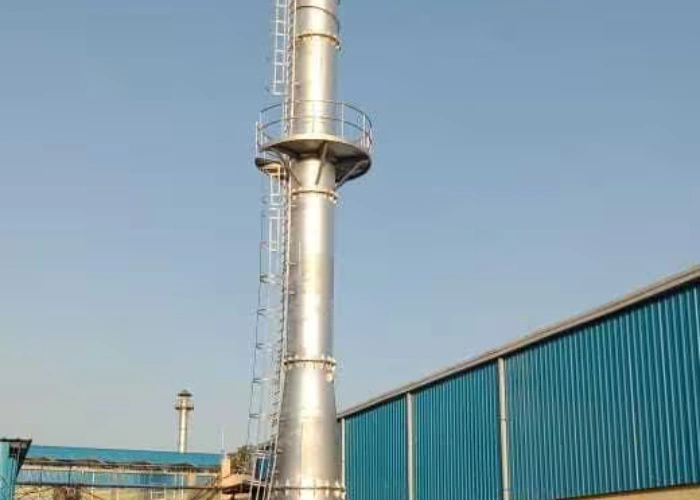
Industrial Chimney for Galvanizing Plants
After acid and zinc fumes pass through extraction and scrubber systems, the treated air still needs to be released somewhere and that’s not something you can just vent out a side wall. An industrial chimney releases treated emissions at a height and dispersion rate that meets environmental compliance standards, making sure exhaust doesn’t settle back around the plant or affect nearby areas. It’s the final piece of the fume management system, working right after extraction and scrubbing rather than as a standalone unit.