
Installation & Commissioning
What Happens During Installation and Commissioning of a Galvanizing Plant?
When machines have been manufactured and civil construction completed, there is a need for installation and commissioning since all machines must be put in place and tested to ensure that they work as expected. Installation and commissioning include putting machines such as kettles, tanks, cranes, and controls in place and running cycles to ensure that the plant works as expected.
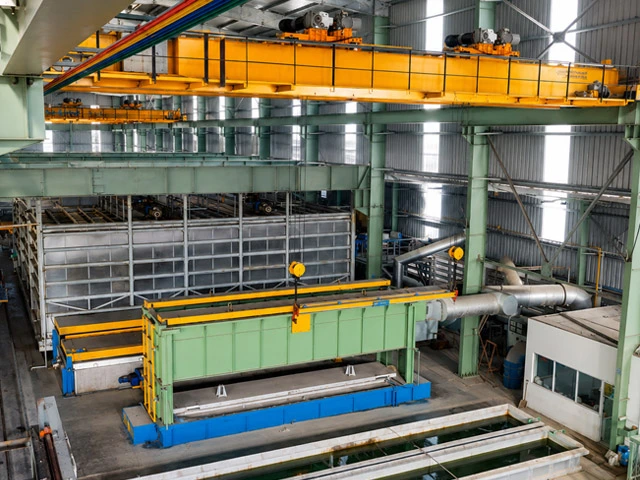
What This Service Covers
- On-site installation of kettles, tanks, furnaces, and material handling equipment
- Electrical and control panel wiring and integration
- Fume extraction and utility system connection and testing
- Test runs and calibration of automated systems, cranes, and jig lowering equipment
- Trial production cycles to verify coating quality and process timing
- Final handover documentation and equipment sign-off
How It Fits Into Setting Up a Plant
Installation follows civil construction and equipment delivery, physically placing and connecting everything according to the approved layout design. Commissioning comes right after running the plant through test cycles without full production pressure, checking that kettle temperature holds steady, cranes cycle correctly, and control systems respond as expected. Any calibration issues or mismatches between equipment get caught and corrected during this phase, before the plant moves into regular production where downtime becomes far more costly.
Why Work With Us on Installation & Commissioning
Since we’re often involved from the design stage through fabrication, installation goes more smoothly because our team already understands how the plant is meant to fit together, rather than working from someone else’s drawings. Commissioning isn’t rushed we run enough test cycles to catch calibration issues or process inconsistencies before handover, since problems found during commissioning are far easier to fix than issues discovered after the plant is already running full production.
Who This Service Is For
This applies to any new galvanizing plant project, as well as major upgrades or kettle replacements that require re-commissioning of the affected systems. It’s a necessary final stage regardless of whether the project started with us from initial consultancy or came to us partway through.
What You Get
Installation and commissioning concludes with a plant that’s been tested through trial cycles, calibrated control and automation systems, and documentation confirming equipment performance before you take over full production. This handover point is also typically when training and initial AMC arrangements get finalized.
Related Services
- Complete Plant Design & Layout
- Training & Development
- Plant Maintenance
Talk to Us About Installation & Commissioning
If you’re at the installation stage of a new plant project, or need re-commissioning support after a major upgrade, get in touch and we’ll coordinate the on-site process with your team.
Frequently Asked Questioned!
How long does installation and commissioning typically take?
This varies based on plant size and complexity, but it generally follows civil construction and equipment delivery, with commissioning test cycles running until performance is confirmed before handover.
What happens if an issue is found during commissioning?
Commissioning is specifically designed to catch calibration issues or equipment mismatches before regular production starts, so any problems found at this stage get corrected before handover.
Is commissioning needed after a kettle replacement, or just for new plants?
Yes, re-commissioning is typically needed after major equipment replacement or upgrades to confirm the affected systems are calibrated and performing correctly.
Does commissioning include training for plant staff?
Training is often arranged around the same time as commissioning, since operators typically get hands-on with the equipment as it’s being tested and brought up to full production.