
Spin Galvanizing Plant
A spin galvanizing plant is built for small parts nuts, bolts, washers, fasteners, and other small hardware components that need to be galvanized in bulk batches rather than individually. After dipping, these parts are loaded into a centrifuge-style spinning basket that removes excess zinc through centrifugal force. This is what keeps threads clear and prevents zinc buildup that would otherwise make fasteners unusable. It’s a completely different process from general or tube/pipe galvanizing, which handle single large components rather than bulk batches of small parts.
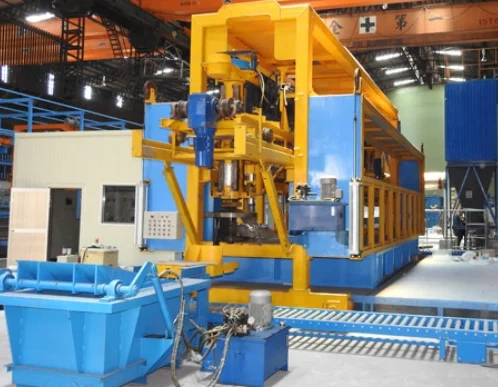
Key Features & Specifications
- Perforated baskets or drums sized for bulk loading of small parts
- Centrifuge/spinning mechanism to remove excess zinc after dipping
- Pre-treatment tanks configured for basket-based batch processing
- Kettle sized for basket immersion depth and batch volume
- Vibratory or mechanical loading systems for consistent batch sizes
- Cooling and sorting setup for post-spin handling
How It Works in the Galvanizing Line
Batches of small parts are loaded into perforated baskets and run through the same pre-treatment sequence degreasing, pickling, fluxing as other galvanizing processes, but sized for basket immersion rather than single large pieces. After the zinc kettle, the basket goes into a spinning/centrifuge unit immediately, while the zinc is still molten, so centrifugal force throws off excess zinc before it solidifies. This step is time-sensitive spin too late and the zinc hardens with excess buildup on threads and small features; spin at the right moment and parts come out clean and usable.
Why Choose Us for Your Spin Galvanizing Plant
Timing and basket design are what separate a spin galvanizing plant that works from one that leaves fasteners with clogged threads or excess zinc buildup. We size baskets, kettle immersion depth, and spin cycle timing around your part sizes and batch volumes, so the transfer from kettle to centrifuge happens within the window that matters. Batch consistency also depends on load distribution inside the basket, which we account for in the loading system design rather than leaving it to manual handling alone.
Applications & Industries Served
Spin galvanizing plants are used by fastener manufacturers, hardware producers, and companies making small metal components nuts, bolts, washers, brackets, and similar parts where corrosion resistance is needed but batch efficiency matters more than individual part handling. It’s common among manufacturers supplying construction, automotive, and industrial hardware markets.
Customization Options
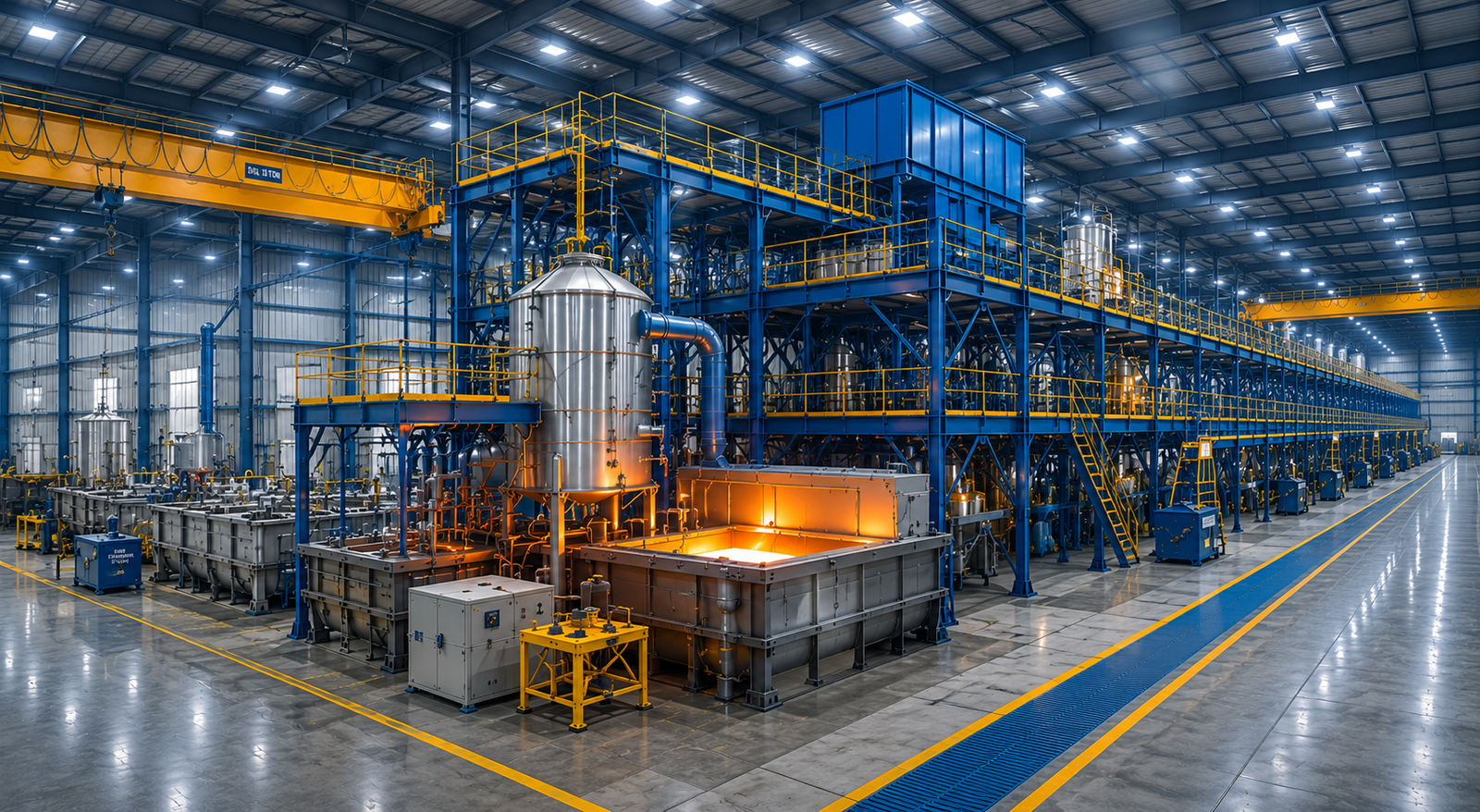
Basket size, kettle immersion depth, spin cycle duration, and loading mechanism can all be adjusted based on your part dimensions, batch volume, and daily output targets. Plants can also be configured to handle a range of fastener sizes if your production isn’t limited to one part type.
Related Products
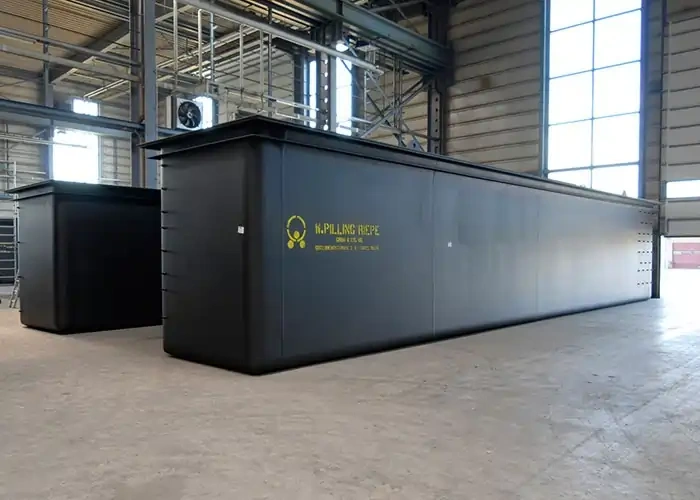
Zinc Kettle
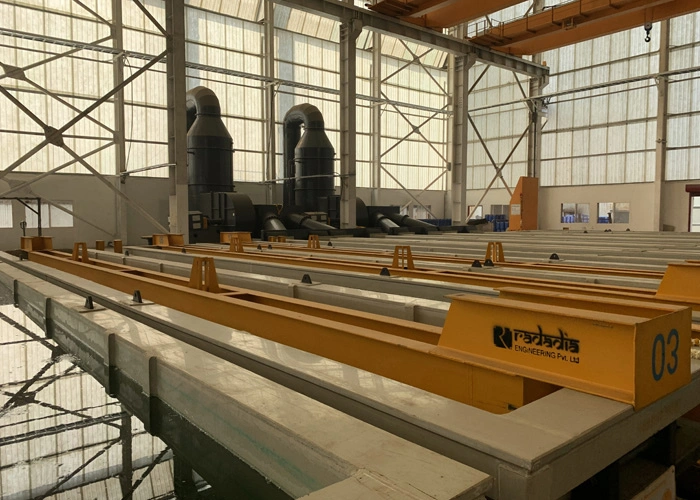
Pre-Treatment Tanks
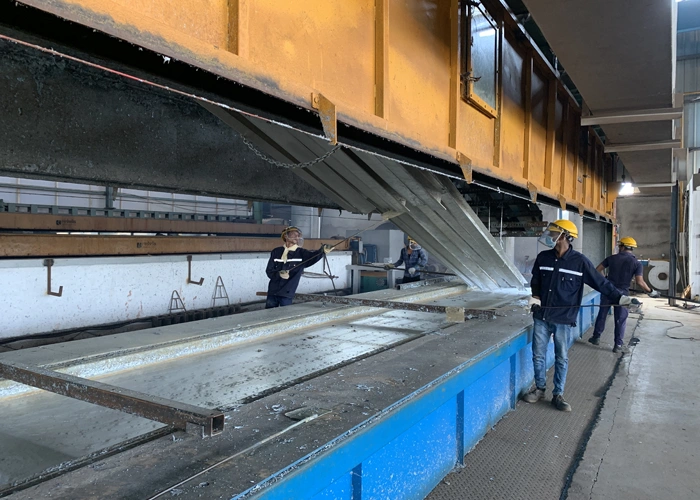
General Galvanizing Plant
Get a Spin Galvanizing Plant Quote
Frequently Asked Questioned!
What's the difference between spin galvanizing and general galvanizing?
Spin galvanizing processes small parts like fasteners in bulk batches using perforated baskets, followed by centrifuging to remove excess zinc. General galvanizing handles large individual components like structural steel using crane-based dipping.
Why does timing matter in the spin process?
The basket needs to move from the kettle to the centrifuge while the zinc is still molten. If it spins too late, the zinc hardens with excess buildup on threads and small features.
Can a spin galvanizing plant handle different fastener sizes in one batch?
It’s usually more consistent to run similar-sized parts together in a batch, since basket loading and spin timing are calibrated to part size and weight distribution.
What happens if excess zinc isn't removed properly?
Excess zinc buildup can clog threads on bolts and nuts, making fasteners difficult or impossible to use, which is why basket design and spin timing are critical to plant performance.