
Zinc Kettle Galvanizing
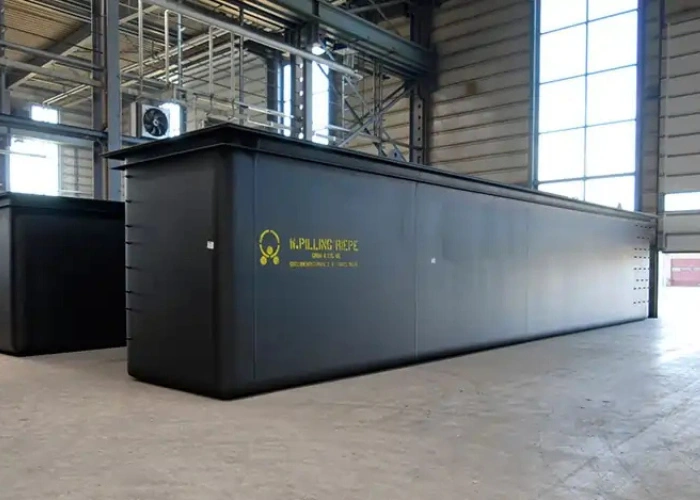
The kettle is where the actual galvanizing happens, so it’s arguably the single most important piece of equipment in the entire plant. A zinc kettle holds molten zinc at a controlled temperature and needs to be sized, built, and maintained correctly get any of that wrong and you’re looking at coating defects, wasted zinc, or a kettle that fails well before it should. Whether it’s feeding a general galvanizing line, a pipe system, or a spin galvanizing setup, the kettle has to match what’s actually running through it.
Key Features & Specifications
- Kettle length and depth sized to your longest or largest components
- Steel grade selected for zinc corrosion resistance and extended service life
- Cover system to reduce heat loss and control zinc oxidation
- Temperature control integrated with the furnace for consistent zinc quality
- Structural design that accounts for expansion and thermal stress over repeated heating cycles
- Compatible with crane, jig, or basket-loading systems depending on plant type
How It Works in the Galvanizing Line
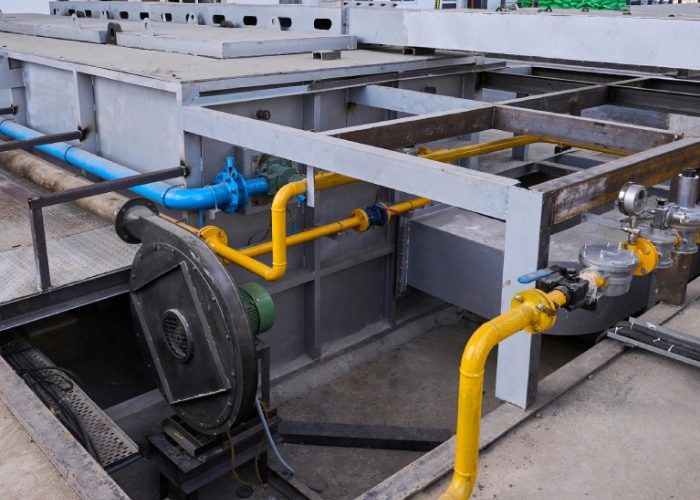
Once components come out of pre-treatment cleaned, pickled, and fluxed they go straight into the kettle for dipping. How long a piece stays in, and at what temperature, depends on the coating thickness you’re after and the type of steel being galvanized. The kettle works in tandem with the furnace, which keeps the zinc at the right temperature, and with whatever handling system is moving loads in and out crane for structural steel, jig for pipes, and basket for fasteners. If the kettle’s undersized for what you’re running through it, everything downstream slows down to match.
Why Work With Us on Your Zinc Kettle
A kettle that’s slightly wrong too short, too shallow, or built from the wrong steel grade causes problems that don’t show up until months into operation, usually as premature wear or inconsistent coating. We size kettles around your actual component range rather than a standard catalogue size, and we pay attention to steel selection and construction quality since kettle life directly affects how often you’re looking at replacement or major repair.
Where This Applies
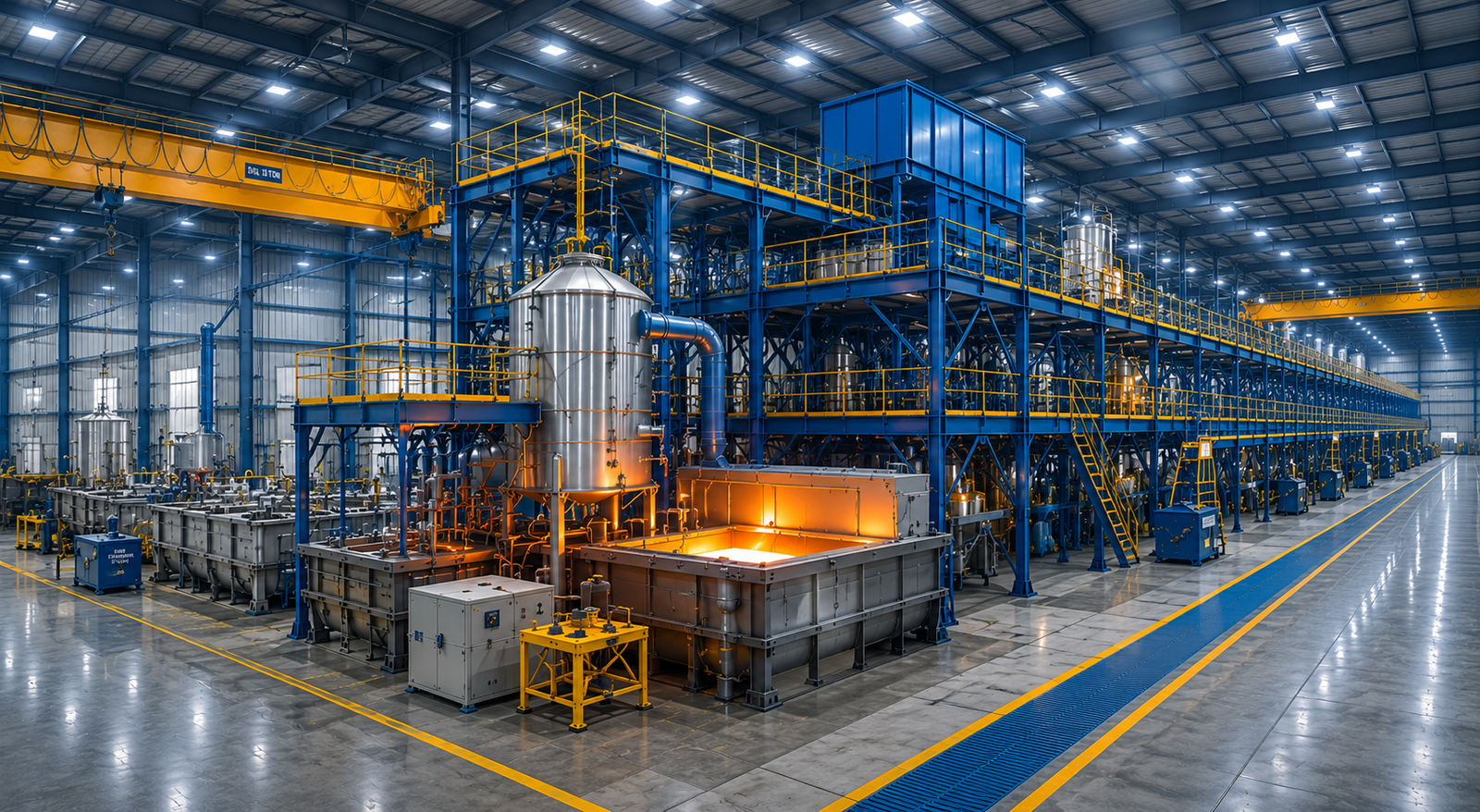
Zinc kettles are core to every galvanizing plant type general, tube and pipe, and spin galvanizing all depend on one, just sized and configured differently. Structural fabricators need long, deep kettles for oversized components, while fastener manufacturers running spin galvanizing need kettles built around basket immersion rather than single large pieces.
Sizing and Customization
Kettle dimensions, steel thickness, and cover design are all adjusted based on your component sizes, daily output, and how many shifts the plant runs. If you’re running mixed production say, general galvanizing alongside occasional pipe work kettle sizing needs to account for the largest and most awkward pieces you’ll realistically process, not just the average one.
Related Products
Galvanizing Furnace & Pre-Treatment Systems
Turnkey Hot Dip Galvanizing Plant
Zinc Recovery & Pump Systems
Talk to Us About Your Kettle Requirements
If you’re specifying a kettle for a new plant or replacing one that’s reaching end of life, get in touch and we’ll size it around your actual production needs.
Frequently Asked Questioned!
How long does a zinc kettle typically last?
Kettle life depends on steel grade, zinc temperature control, and how well it’s maintained, but a well-built kettle running under proper conditions can last many years before major repair or replacement is needed.
What happens if a kettle is undersized for the plant's production?
Components that don’t fit properly get dipped in multiple passes or awkward angles, which slows production and can lead to inconsistent coating thickness.
Does kettle steel grade actually matter that much?
Yes. The wrong steel grade wears down faster under molten zinc exposure, leading to leaks or structural failure well before a properly specified kettle would need replacement.
Can an old kettle be replaced without rebuilding the whole plant?
In most cases, yes kettle replacement is a common plant upgrade service, though it does require taking the line offline for the changeover period.