
LPG/Natural Gas Skid
What Does an LPG/Natural Gas Skid Do for a Galvanizing Plant's Furnace?
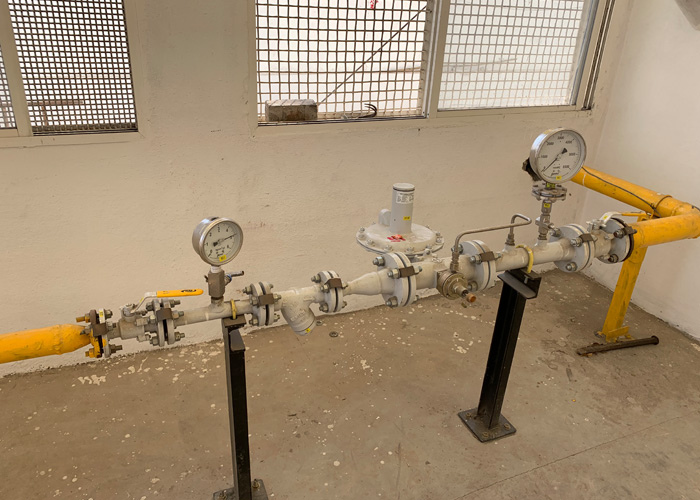
Furnaces need a consistent, properly regulated fuel supply to maintain stable kettle temperature, and that starts well before the fuel reaches the burner. An LPG or natural gas skid is a pre-assembled fuel supply and regulation unit that stores, regulates, and delivers fuel to the furnace at the correct pressure and flow rate, rather than relying on ad-hoc piping and regulation set up separately on-site.
Key Features & Specifications
- Pre-assembled skid unit for LPG or natural gas storage and regulation
- Pressure regulation system matched to furnace burner requirements
- Safety shut-off valves and leak detection provisions
- Flow metering for fuel consumption tracking
- Piping and connection points sized for furnace demand
- Construction suited to outdoor or semi-exposed installation
How It Fits Into the Galvanizing Line
The skid sits upstream of the furnace, taking bulk LPG or natural gas supply and regulating it down to the pressure and flow rate the burner system needs for stable, consistent combustion. Since furnace temperature consistency depends heavily on stable fuel delivery, fluctuations in supply pressure show up as temperature swings in the kettle, which is exactly what a properly sized and regulated skid is meant to prevent.
Why Work With Us on Fuel Skid Systems
Fuel skid sizing needs to match your specific furnace’s burner demand and duty cycle, not a generic industrial fuel supply package. We size regulation capacity and safety provisions around your furnace specifications and expected fuel consumption, so supply stays consistent even during continuous, high-demand production runs rather than dipping under load.
Where This Applies
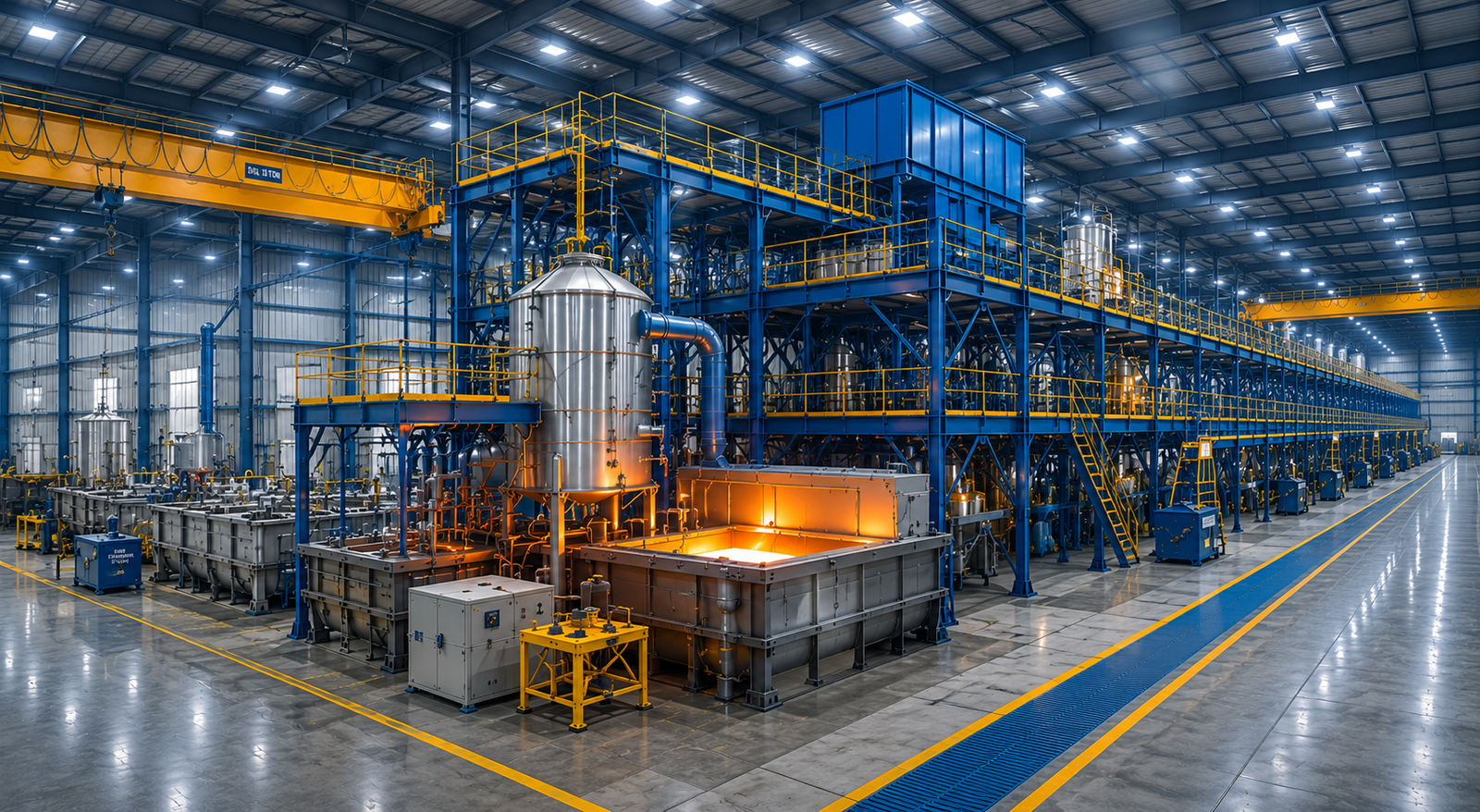
An LPG or natural gas skid is needed wherever the furnace runs on these fuel types rather than oil, which applies across general, tube and pipe, and spin galvanizing plants depending on local fuel availability and furnace specification chosen for the site.
Sizing and Customization
Skid capacity, regulation range, and safety provisions are chosen based on furnace fuel demand, local fuel supply infrastructure, and site safety requirements. Flow metering and monitoring can also be added for tracking fuel consumption and identifying inefficiencies over time.
Related Products
Galvanizing Furnace & Pre-Treatment Equipment
Zinc Kettle

Electrical Control Panels
Talk to Us About Your Fuel Skid Requirements
If you’re specifying fuel supply for a new furnace installation or dealing with temperature inconsistency tied to fuel delivery, get in touch and we’ll assess your furnace specifications and site fuel infrastructure.
Frequently Asked Questioned!
Why can't the furnace connect directly to a fuel line without a skid?
Without proper regulation, fuel pressure fluctuations translate directly into furnace temperature inconsistency, and safety provisions like shut-off valves and leak detection wouldn’t be centralized in one unit.
Does fuel type affect skid design?
Yes. LPG and natural gas have different storage, pressure, and safety requirements, so the skid is designed specifically around whichever fuel type your furnace uses.
Can an existing plant's fuel supply be upgraded with a skid system?
In most cases, yes, particularly if current fuel delivery is causing furnace temperature instability, though it depends on your site’s existing infrastructure and available space.
What safety features are standard on a fuel skid?
Safety shut-off valves and leak detection are standard provisions, since fuel supply systems need to fail safely in the event of a pressure anomaly or leak.