
General Galvanizing Plant
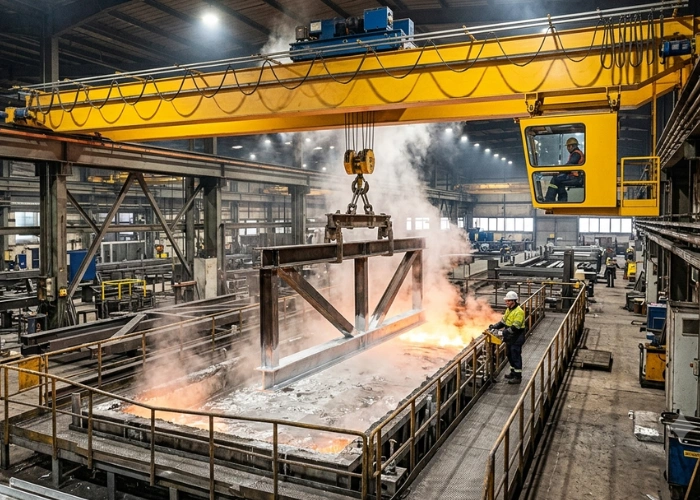
A general galvanizing plant is built for large, bulk-load items structural steel, fabricated components, angles, channels, pipes, and sheet assemblies rather than small parts like fasteners or nuts and bolts. It’s the most common type of hot dip galvanizing setup used by structural fabricators, EPC contractors, and manufacturers producing large-format steel components that need corrosion protection before they leave the factory. Unlike spin galvanizing, which handles small parts in bulk batches, general galvanizing is built around larger kettles, wider dip widths, and crane-based handling for oversized loads.
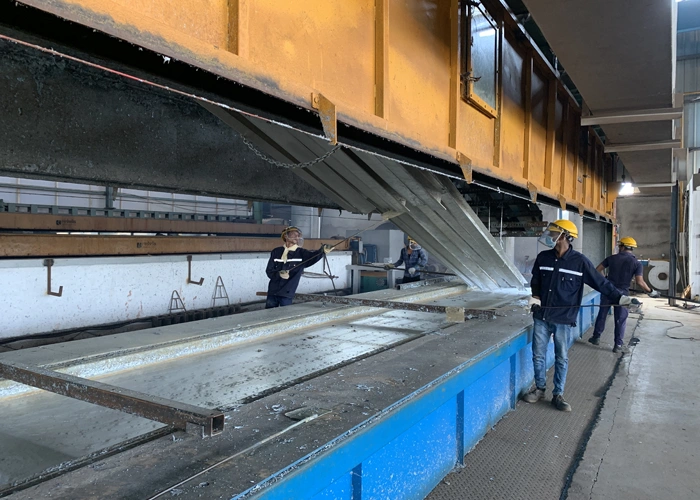
Key Features & Specifications
- Large-capacity zinc kettle sized for long or wide structural components
- Pre-treatment tank line degreasing, pickling, fluxing built for high-volume batch processing
- Furnace sized for extended kettle length and higher zinc throughput
- Overhead crane or jig-based handling system for lowering and lifting large loads
- Quenching and passivation tanks matched to production speed
- Fume extraction system built for continuous, high-volume operation
How It Works in the Galvanizing Line
Structural components move through the pre-treatment tanks first degreasing to remove oil and mill scale, pickling to clean the surface, then fluxing to prepare it for zinc adhesion. From there, a crane or jig system lowers the load into the zinc kettle for the actual dipping process, followed by quenching and passivation. Because general galvanizing deals with heavier, longer pieces than spin galvanizing, the crane and jig systems are a critical part of the plant design cycle times and load capacity need to match the size of components you’re processing.
Why Choose Us for Your General Galvanizing Plant
Structural fabricators have very different throughput and space requirements than fastener manufacturers, and we design the plant around that reality instead of adapting a standard template. Kettle length, crane capacity, and tank sizing are worked out based on your typical component dimensions and production volume, so the plant isn’t oversized for small runs or undersized for your heaviest loads. We also factor in fume extraction and effluent handling capacity that scales with continuous batch processing, since general galvanizing plants typically run at higher volumes than spin galvanizing lines.
Applications & Industries Served
General galvanizing plants are used by structural steel fabricators, transmission tower manufacturers, bridge and infrastructure component makers, agricultural equipment manufacturers, and any operation producing large fabricated steel parts that need corrosion protection. It’s also common in EPC and infrastructure projects where galvanized structural steel is a project specification requirement.
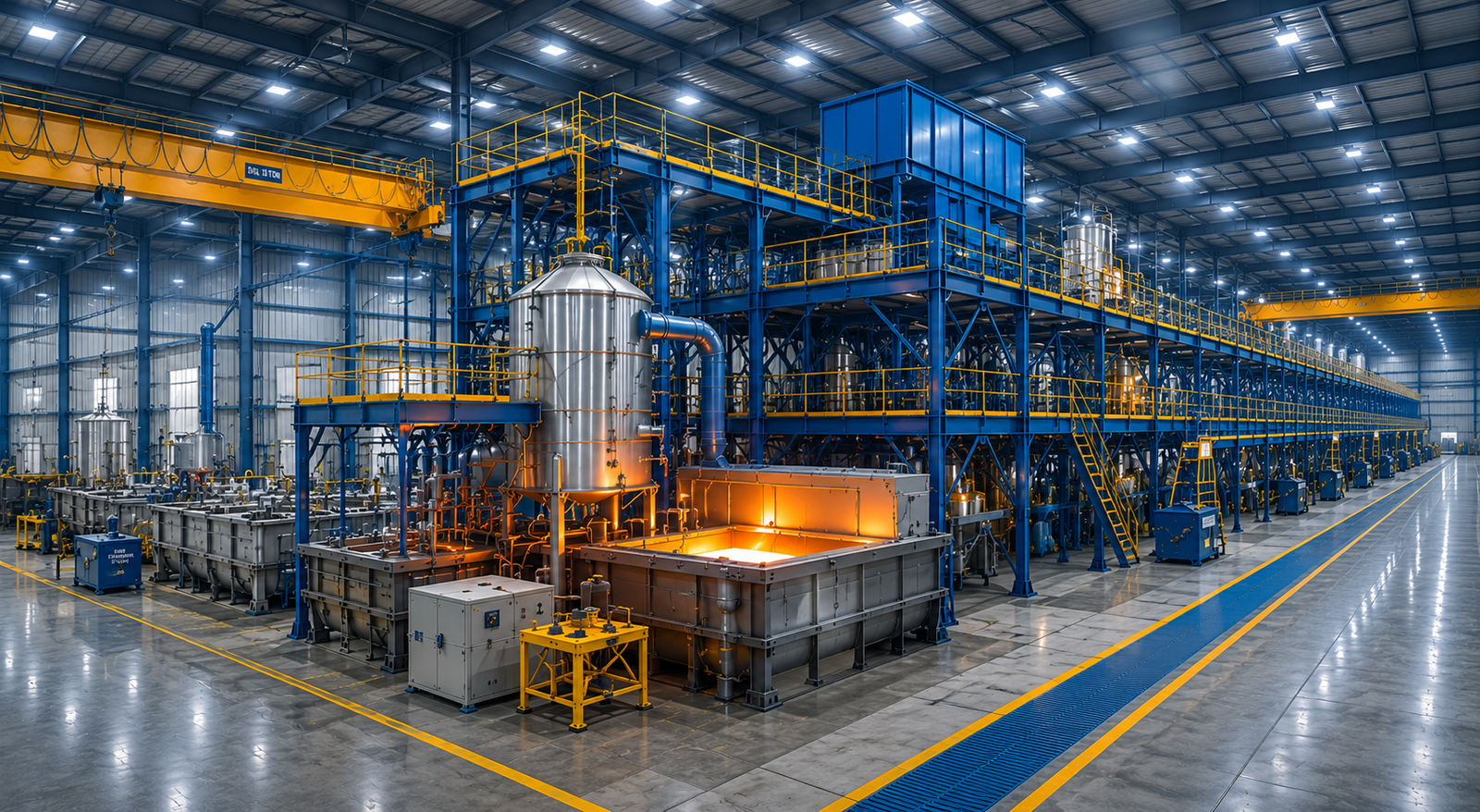
Customization Options
Kettle length and depth, crane and jig capacity, tank sizing, and furnace fuel type can all be adjusted based on your typical component sizes and daily production targets. Plants can also be designed with future capacity expansion in mind, so you’re not rebuilding the kettle line if production volume grows.
Related Products
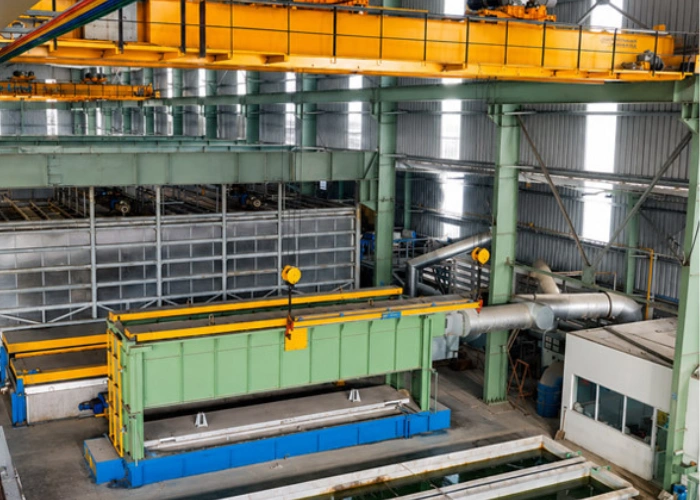
Turnkey Hot Dip Galvanizing Plant
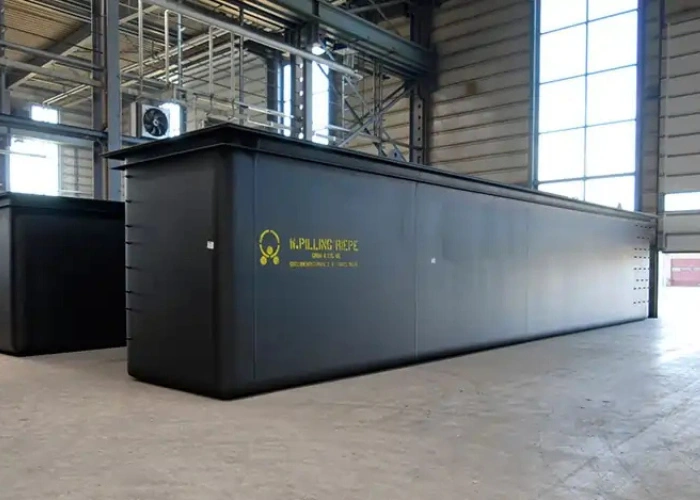
Zinc Kettle
Material Handling Systems
Get a General Galvanizing Plant Quote
Frequently Asked Questioned!
What's the difference between general galvanizing and spin galvanizing?
What’s the difference between general galvanizing and spin galvanizing?
General galvanizing is designed for large, bulk structural items like steel beams, angles, and fabricated components, using crane or jig-based handling. Spin galvanizing is built for small parts like fasteners, processed in batches and spun to remove excess zinc.
What size components can a general galvanizing plant handle?
Kettle length and crane capacity are sized to your typical component dimensions, so plants can be built to accommodate anything from standard structural sections to longer custom fabrications.
Does a general galvanizing plant need fume extraction?
Yes. Continuous high-volume processing produces more fumes than smaller batch operations, so fume extraction and environmental control systems are built into the plant design from the start.
Can an existing general galvanizing plant be upgraded for higher capacity?
Yes. Kettle length, crane capacity, and tank sizing can be expanded or modified as part of a plant upgrade project, depending on your site’s structural limitations.