
Hydraulic Loading & Unloading Station
Loading and unloading components to and from jigs or racks prior to their entry into the galvanization process line and after they have been galvanized is a strenuous activity, especially for heavy structural components. The hydraulic loading and unloading station makes use of hydraulically driven mechanical devices that facilitate the lifting, tilting or positioning of components during the loading and unloading processes.
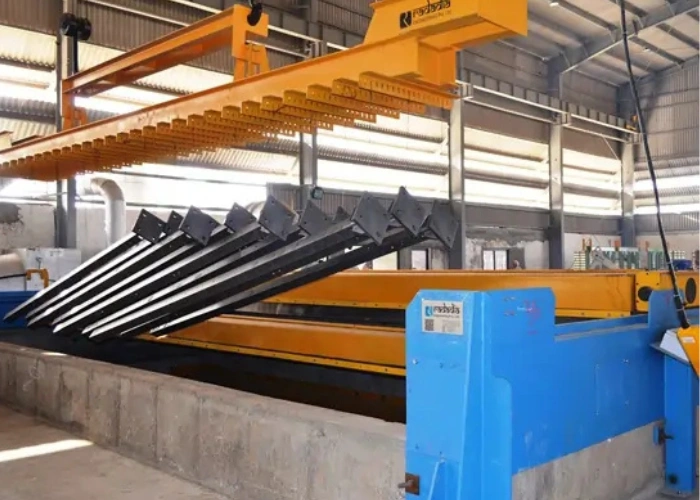
Key Features & Specifications
- Hydraulic lift and tilt mechanism for positioning components onto jigs or racks
- Load capacity sized to your heaviest typical components
- Adjustable positioning for different component shapes and jig configurations
- Safety locks and pressure relief systems to prevent uncontrolled movement
- Integration with crane or monorail systems for seamless handoff into the line
- Construction suited to repeated heavy-duty industrial use
How It Works in the Galvanizing Line
Before components enter pre-treatment, they typically need to be positioned onto jigs, racks, or hangers that the crane or monorail system will carry through the line. A hydraulic station handles this loading step, lifting and tilting components into position without requiring manual lifting, then performs the reverse process at the end of the line unloading finished, galvanized components from their jigs for inspection and dispatch. This station sits at the very start and end of the production sequence, bridging fabrication and dispatch with the galvanizing process itself.
Why Work With Us on Loading & Unloading Stations
Loading stations need to match the actual shapes and weights of what you’re processing a station built for standard structural sections may struggle with irregularly shaped fabrications or unusually heavy pieces. We size hydraulic capacity and positioning range around your actual component variety, so loading and unloading doesn’t become a manual workaround for pieces that don’t fit the station’s intended range.
Where This Applies
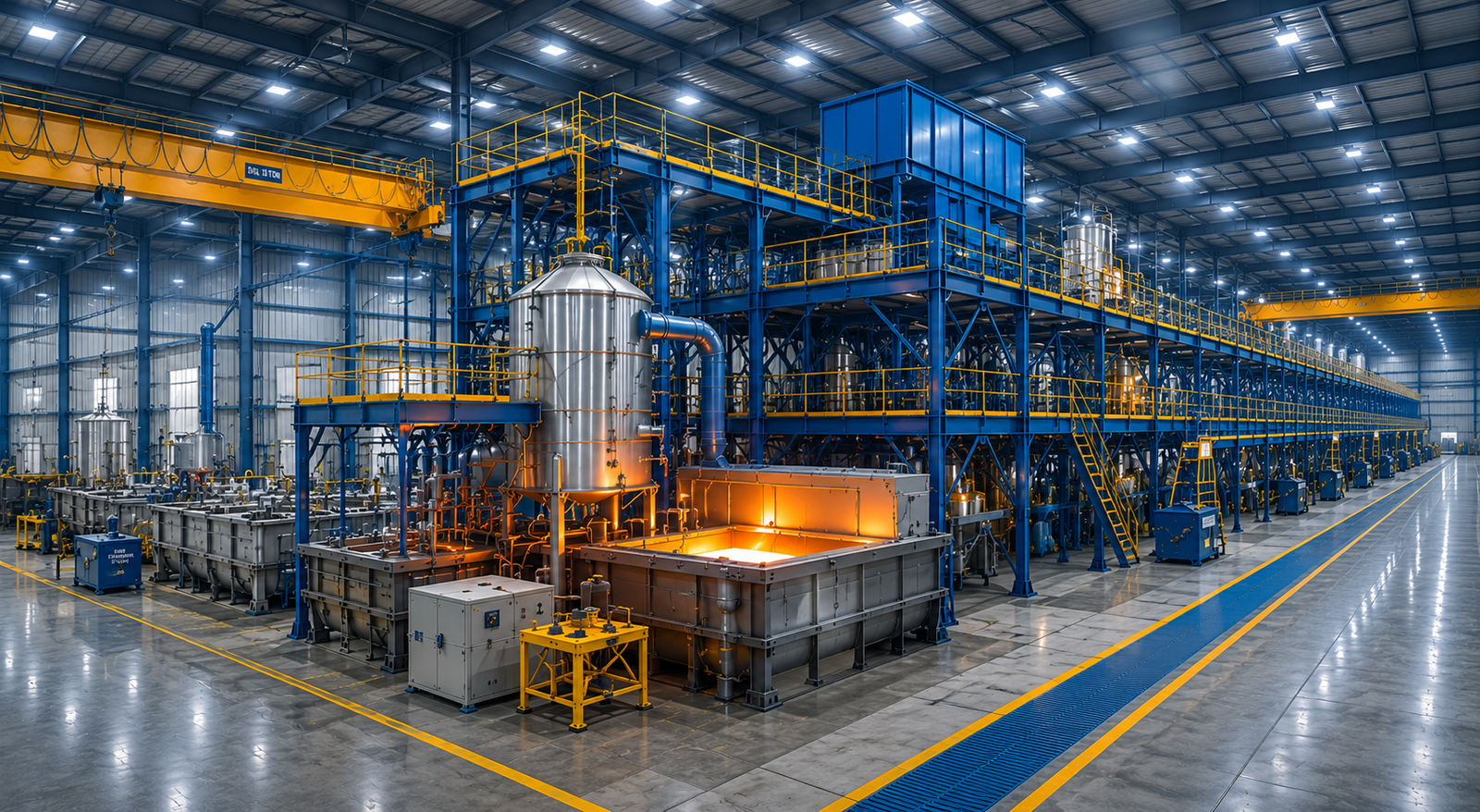
Hydraulic loading and unloading stations are most relevant for general galvanizing and tube/pipe operations dealing with heavier structural components, where manual loading would be slow and physically demanding. s typically rely on different loading methods suited to bulk small parts rather than individual heavy components.
Sizing and Customization
Load capacity, lift range, and positioning mechanism are chosen based on your component weight range and typical shapes. Stations can also be configured with adjustable fixtures if your production involves a variety of component types rather than a single standard shape.
Related Products
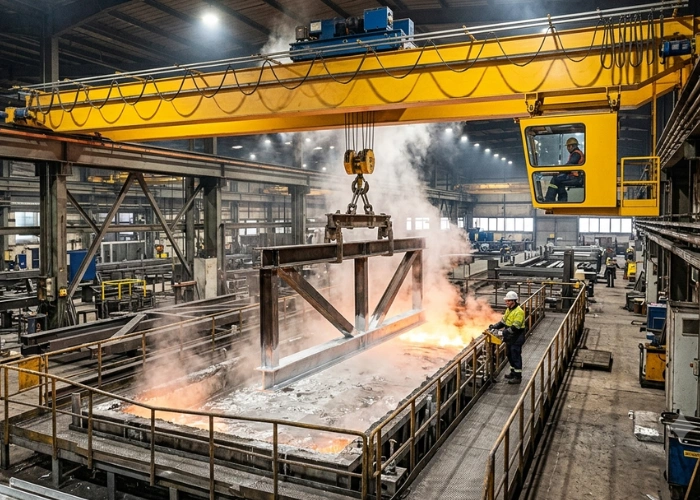
EOT Cranes & Hoists
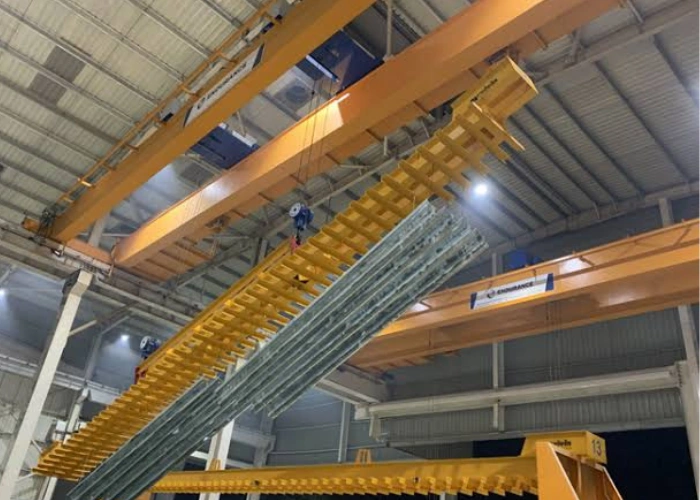
Jig Lowering & Lifters
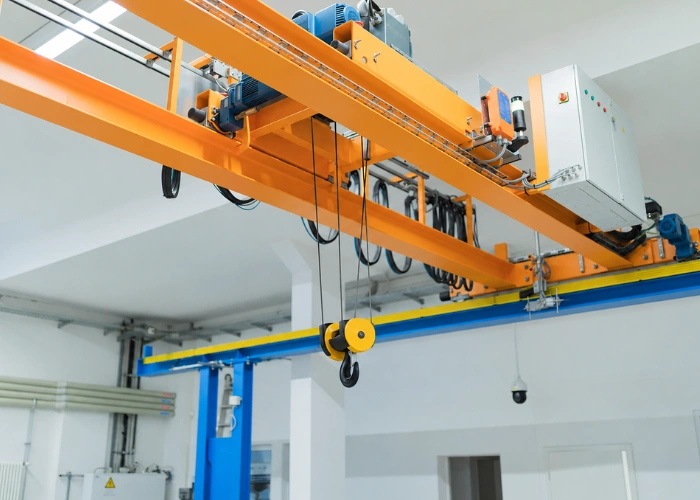
Automatic Crane System
Talk to Us About Your Loading Station Requirements
If you’re setting up loading and unloading equipment for a new plant or dealing with slow, labor-intensive handling on an existing line, get in touch and we’ll assess your component range.
Frequently Asked Questioned!
Why not just load components manually if volume is low?
Manual loading is workable at low volume, but even moderate weights create physical strain and slow down cycle time, which is why hydraulic assistance is worth considering earlier than most plants expect.
Can one hydraulic station handle multiple component shapes?
Yes, if it’s built with adjustable fixtures or positioning ranges, though highly varied production mixes may need more flexible configurations than a station built for a single standard shape.
Does this station work with both crane and monorail systems?
Yes, hydraulic loading stations are typically designed to hand off components to whatever handling system crane, monorail, or automatic is moving loads through the rest of the line.
Is a hydraulic loading station necessary for spin galvanizing?
Not usually. Spin galvanizing typically uses basket loading systems designed for bulk small parts rather than the individual component handling a hydraulic station is built for.