
Electrical Control Panels
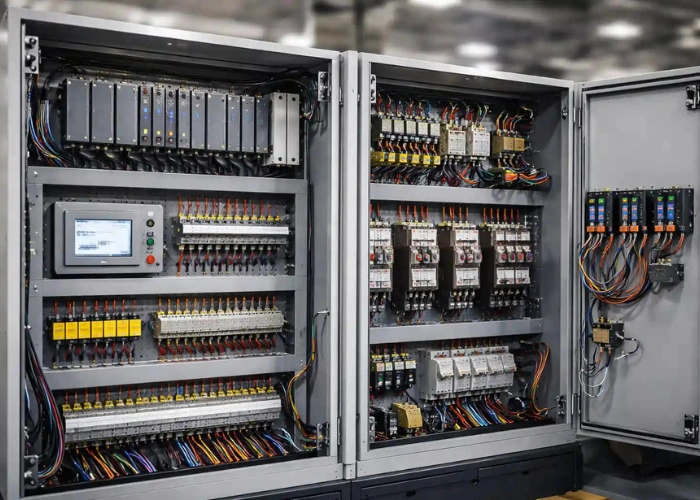
All motors, heaters, pumps, and cranes in the galvanizing unit have to be controlled from somewhere; this is done through an electrical control panel. The control panel houses the components that enable the monitoring and controlling of the furnace temperature, heating of the tanks, operating of the cranes, and other safety interlocks in a coordinated manner. A well-built panel setup is what lets an operator manage the plant from a central point instead of manually checking each piece of equipment individually.
Key Features & Specifications
- Motor control centers for cranes, pumps, and conveyor systems
- Temperature controllers integrated with furnace and tank heating circuits
- Safety interlocks and alarm systems for overload, overheating, and fault conditions
- Panel enclosures rated for industrial environments, including dust and moisture exposure
- Wiring and component layout designed for easy maintenance access
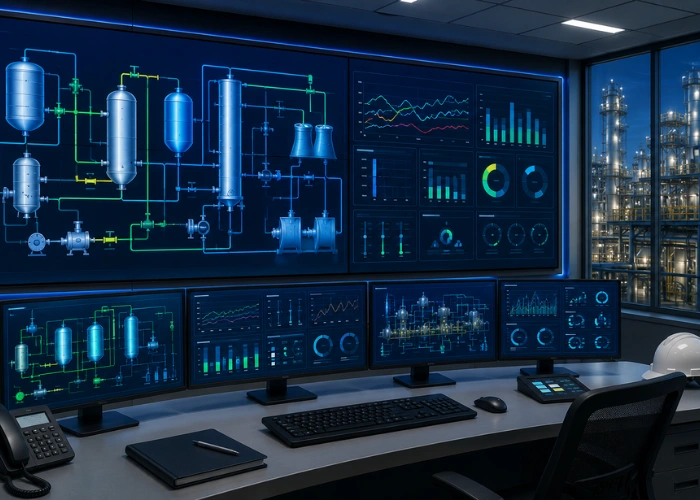
- Compatibility with supervisory control systems for centralized monitoring
How It Fits Into the Galvanizing Line
Control panels connect to nearly every powered system in the plant furnace heating elements, crane motors, pump systems, and tank temperature controls all route through panels that manage power distribution and safety switching. When a fault occurs, whether it’s a furnace overheating or a crane motor drawing excess current, the panel’s protection circuits are what trip the system before it turns into equipment damage or a safety incident. For plants with a supervisory control system layered on top, panels also feed data upward so operators can monitor plant-wide status from one location.
Why Work With Us on Control Panel Design
Panel design needs to match your specific equipment list and how those systems interact a panel built generically for “a galvanizing plant” often has switching capacity or protection settings that don’t quite fit your actual crane loads or furnace specifications. We design panels around your equipment list and operating sequence, so protection thresholds and control logic reflect how your plant actually runs, not a standard configuration adjusted after installation.
Where This Applies
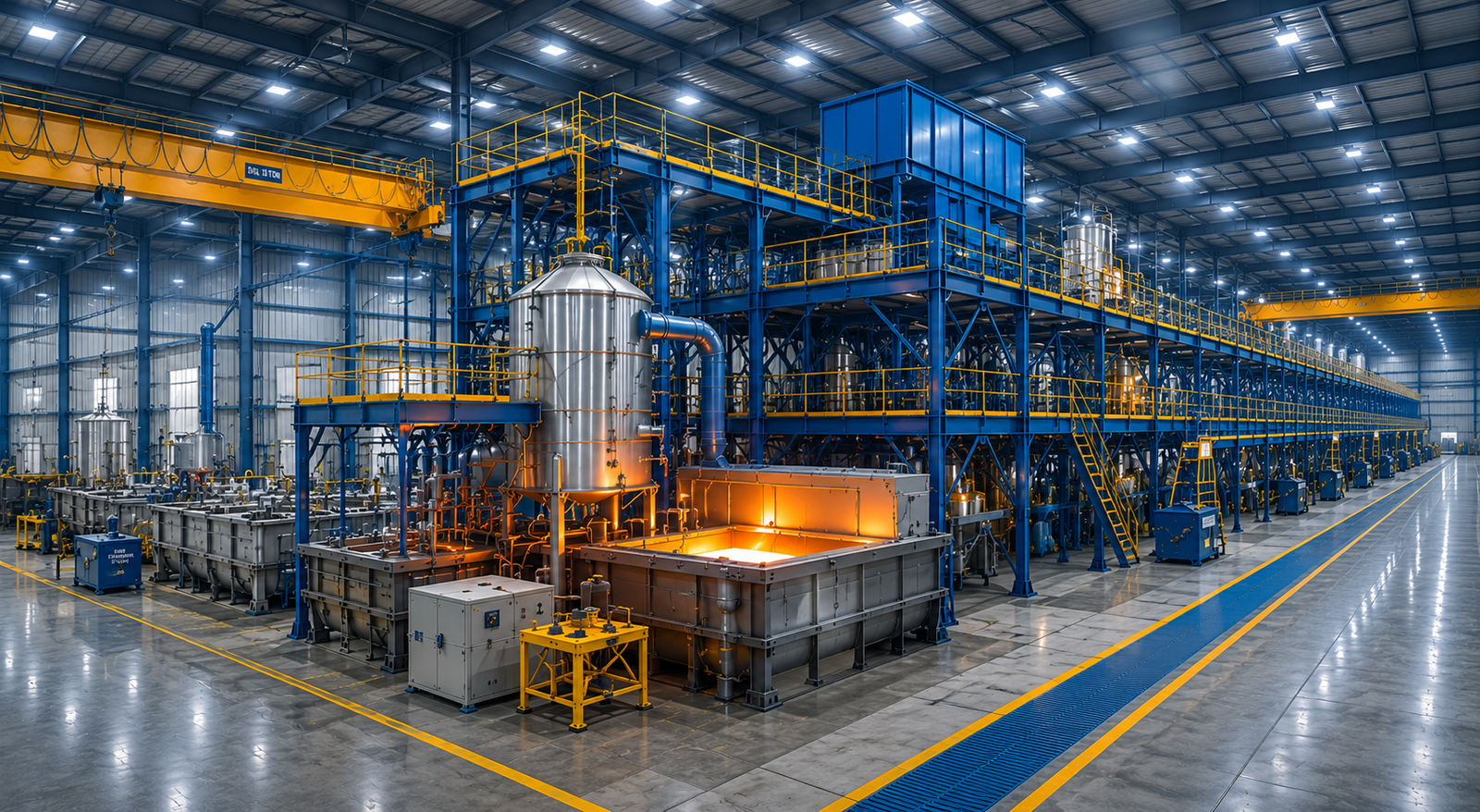
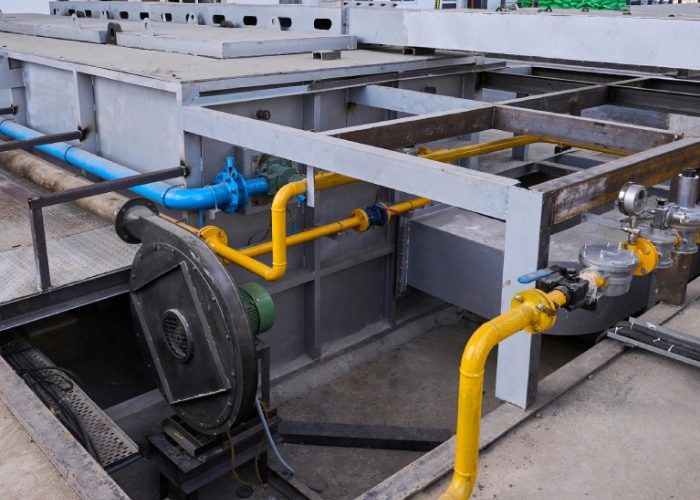
Electrical control panels are required in every plant type, since furnace heating, crane operation, and pump systems exist regardless of whether you’re running general, tube and pipe, or spin galvanizing. Plants with higher automation levels need more sophisticated panel and control logic to coordinate the additional automated equipment.
Sizing and Customization
Panel configuration, switching capacity, and protection settings are determined by your equipment list furnace load, crane motor ratings, pump specifications, and how many systems need centralized control. Panels can also be built with expansion capacity if you’re planning future automation upgrades.
Related Products
Plant Supervisory Control System
Galvanizing Plant Automation
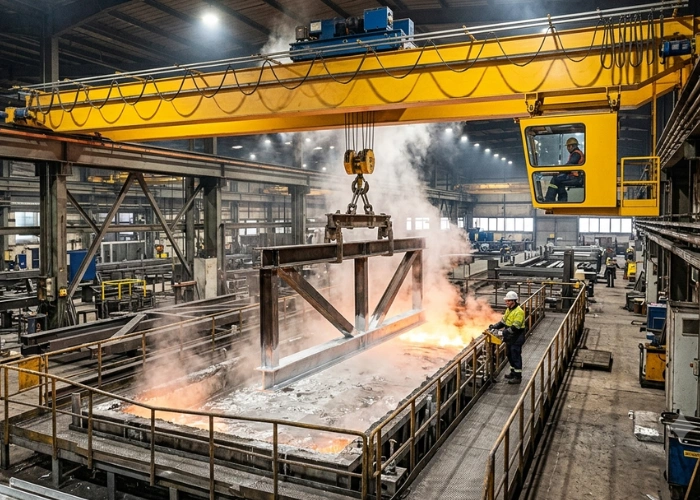
Material Handling Systems (Cranes, Hoists, Conveyors)
Talk to Us About Your Control Panel Requirements
If you’re specifying panels for a new plant or upgrading an existing control setup, get in touch and we’ll design around your actual equipment list and operating sequence.
Frequently Asked Questioned!
What happens if a control panel isn't properly matched to plant equipment?
Mismatched switching capacity or protection settings can lead to nuisance trips, inadequate protection during faults, or equipment running outside safe operating parameters.
Can control panels be upgraded if the plant adds automation later?
Yes, if the original panel is designed with some expansion capacity in mind. Retrofitting a panel with no spare capacity is more complex and often requires a larger overhaul.
Do control panels need special protection in a galvanizing plant environment?
Yes. Panels need enclosures rated for dust, moisture, and sometimes corrosive fume exposure, depending on where they’re positioned relative to pre-treatment and kettle areas.
How do control panels connect to a supervisory control system?
Panels feed operational data temperatures, motor status, fault conditions up to a supervisory system, which gives operators a centralized view without needing to check each panel individually.