
Fume Extraction Environmental Systems
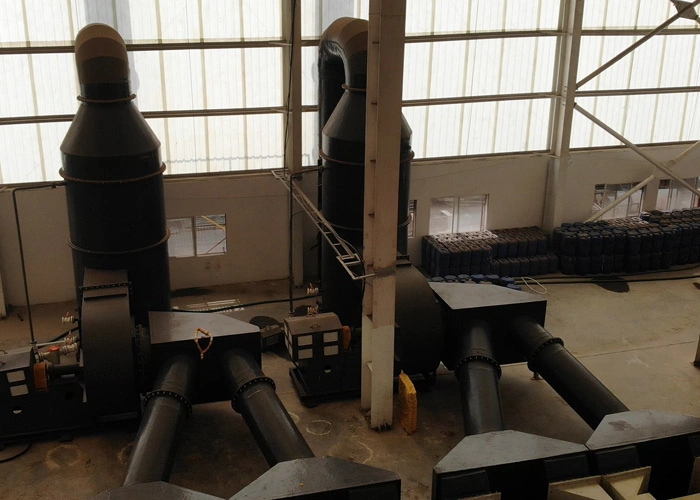
The galvanizing plant produces two different kinds of fumes that require treatment separately: one type of acid fumes produced by the pickling and fluxing tanks, and another kind of zinc fumes produced during the dipping of metal in the kettle. Environmental systems remove and treat these fumes and then discharge clean air in order for the galvanizing plant to stay within the legal limit of environmental pollution and not expose workers to the hazards of acid vapours and zinc oxide fumes. The build-up of both types of fumes on the plant floor is a safety issue before becoming a violation of law.
Key Features & Specifications
- Acid fume extraction system connected to pickling and fluxing tank enclosures
- Zinc fume enclosure and extraction hood positioned over the kettle
- Scrubber system to neutralize and treat acid fumes before release
- Flux heating and regeneration system to recover and reuse flux solution
- Ductwork sized for the full extraction load across pre-treatment and kettle areas
- Industrial chimney designed for compliant emission release height and dispersion
How It Works in the Galvanizing Line
Acid fume extraction connects to the encapsulated pre-treatment room, pulling fumes from pickling and fluxing tanks through ductwork into a scrubber system that neutralizes acid content before releasing treated air. Zinc fume extraction works differently it’s positioned directly over the kettle, capturing fumes released the moment components are dipped or withdrawn, since that’s when zinc fume generation is highest. Both systems typically route through a shared or dedicated chimney designed to disperse treated emissions at a height and rate that meets environmental standards.
Why Work With Us on Fume & Environmental Systems
Small extraction system is one of the most prevalent areas of compliance and safety problems in galvanizing facilities because an extraction system that was made for a smaller kettle or lower production cannot cope with the increased load. We make our calculations based on the exact measurements of the kettle and the pre-treatment tanks in the facility, and not the standard extraction system, as it will make the system able to capture the fumes right at the source, and not to depend on plant ventilation systems.
Where This Applies
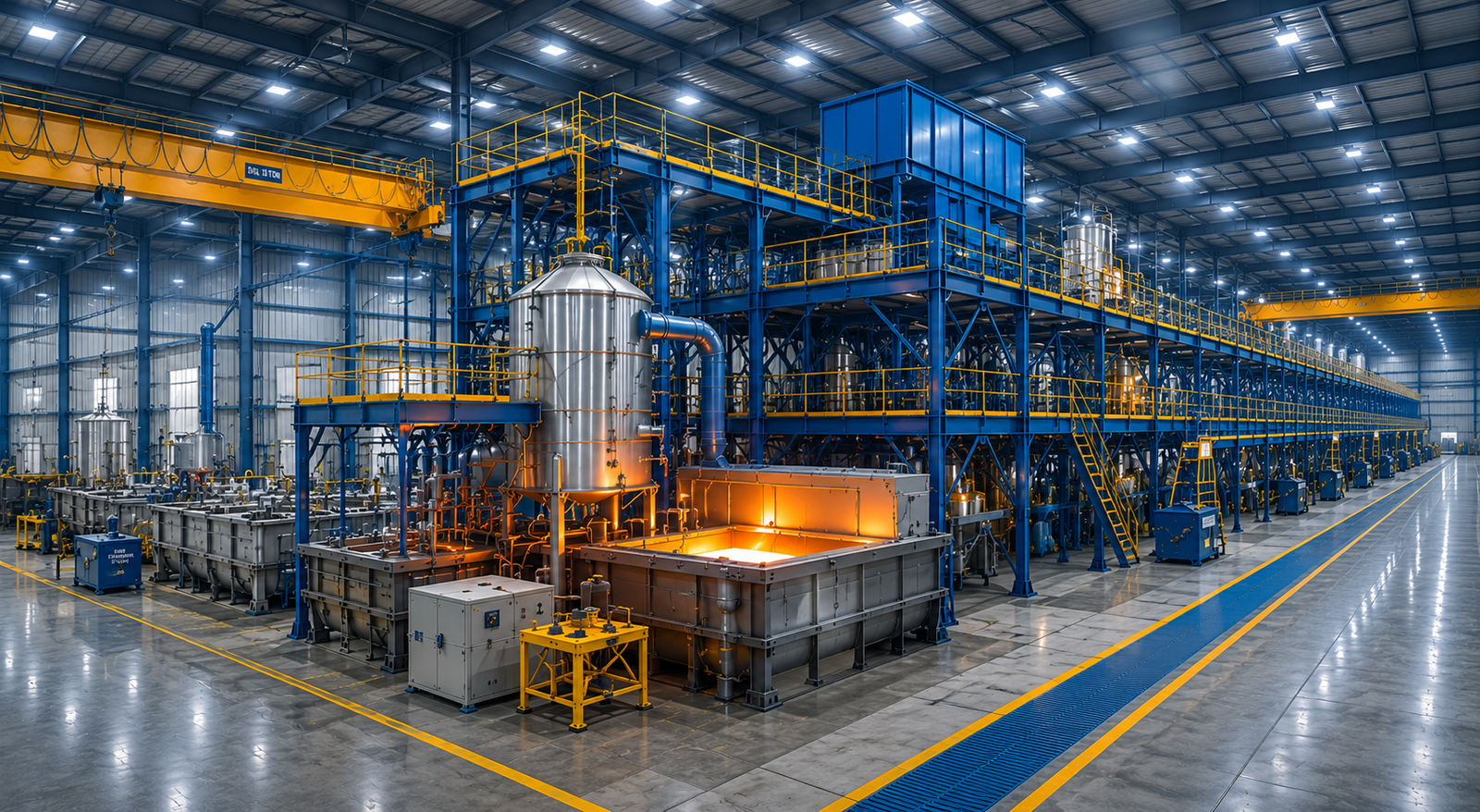
Fume and environmental systems are required across every plant type general, tube and pipe, and spin galvanizing all generate acid and zinc fumes that need extraction, regardless of scale. Plants operating in regions with strict environmental or workplace safety regulations, or those pursuing certifications, need extraction systems sized with compliance margins built in, not just minimum capacity.
Sizing and Customization
Extraction capacity, ductwork sizing, and chimney height are calculated based on kettle size, pre-treatment tank volume, and local environmental compliance requirements. Flux heating and regeneration systems can also be added to recover usable flux from the extraction process, reducing chemical waste and operating cost over time.
Related Products
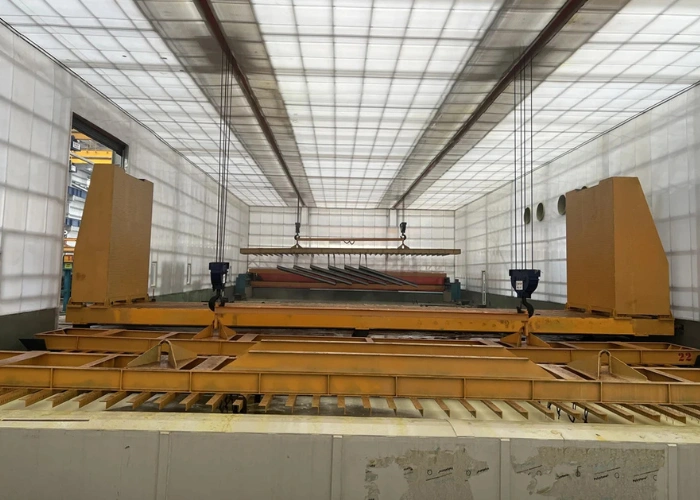
Encapsulated Pre-Treatment Room
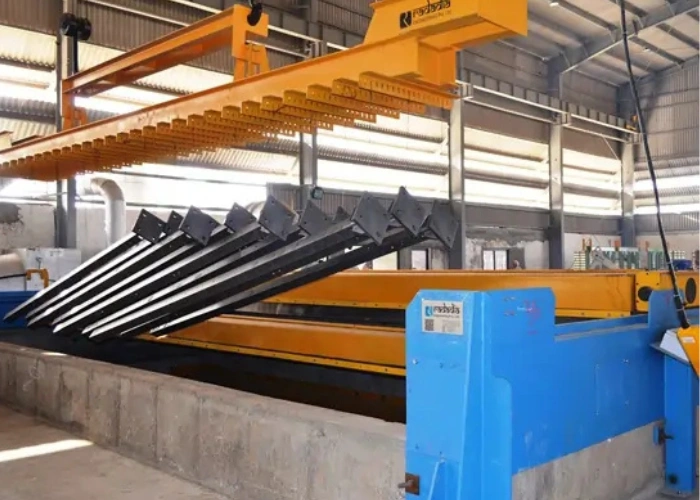
Zinc Recovery & Pump Systems
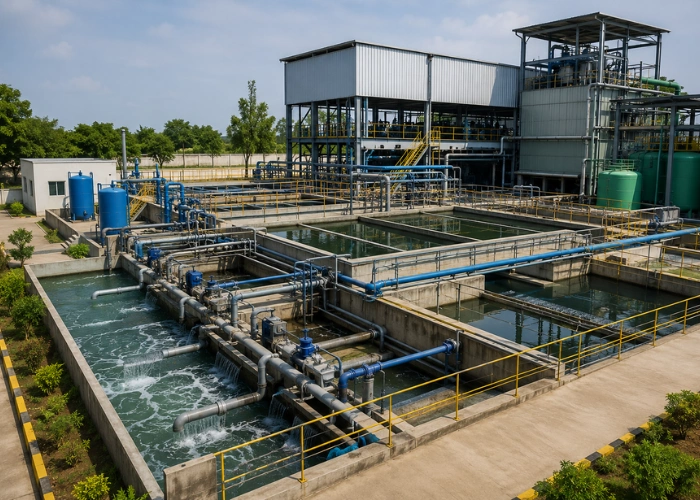
ETP/STP Systems
Talk to Us About Your Fume Extraction Requirements
If you’re setting up fume systems for a new plant or your current extraction isn’t keeping pace with production volume, get in touch and we’ll assess your kettle and tank layout against compliance requirements.
Frequently Asked Questioned!
What's the difference between acid fume extraction and zinc fume extraction?
Acid fume extraction handles vapour from pickling and fluxing tanks in the pre-treatment area, while zinc fume extraction captures fumes released at the kettle during dipping they’re positioned differently and often run as separate systems.
Why is flux regeneration included in an environmental system?
Flux regeneration recovers usable flux solution from the extraction process rather than treating it purely as waste, which reduces chemical consumption and disposal costs over time.
How is chimney height determined?
Chimney height is calculated based on emission volume, local environmental regulations, and dispersion requirements, so treated air disperses safely rather than settling back near the plant or surrounding areas.
Can an existing extraction system be upgraded if the plant scales up production?
Yes, though it depends on current ductwork capacity and hood placement in many cases, extraction capacity can be expanded, but it’s worth assessing early since retrofitting is more complex than sizing correctly from the start.