
Galvanizing Furnace & Pre-Treatment Equipment
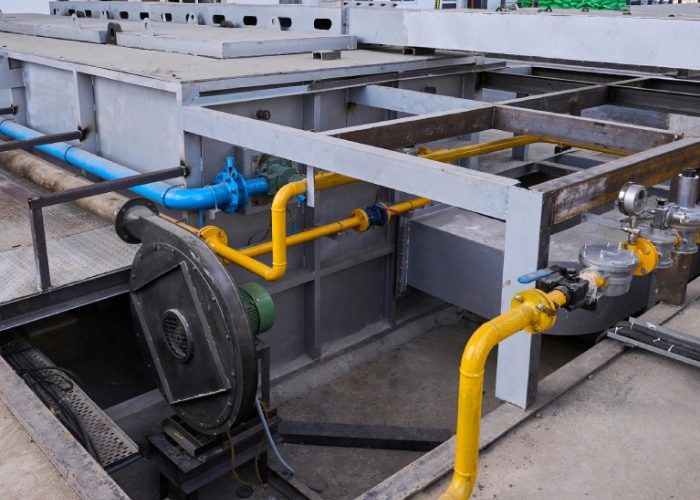
The furnace is what keeps the zinc kettle at the right temperature, day in and day out, through repeated heating cycles. A pulse-fired high velocity furnace is the most common choice for modern galvanizing plants because it heats zinc more evenly and responds faster to temperature changes than older furnace designs, which matters a lot when you’re running continuous batches and can’t afford the kettle temperature drifting out of range. Alongside the furnace, this equipment category also covers the drying and pre-treatment room setup that gets components ready before they reach the kettle.
Key Features & Specifications
- Pulse-fired burner system for even heat distribution and faster response time
- Fuel flexibility LPG, natural gas, or oil, depending on site availability
- Insulation and refractory lining built to withstand continuous high-temperature cycles
- Temperature control integrated with kettle monitoring systems
- Encapsulated pre-treatment room to contain fumes and control environmental exposure
- Re-circulating air dryer for components before they enter the kettle
How It Works in the Galvanizing Line
The furnace surrounds or sits beneath the zinc kettle, maintaining molten zinc at the temperature needed for proper coating quality. Pulse-fired systems fire in short, controlled bursts rather than running continuously, which keeps heat distribution more even across the kettle and reduces the temperature swings that come from constant-fire furnaces. Before components even reach this stage, though, they typically pass through a drying step removing residual moisture from pre-treatment tanks since wet components dropped into molten zinc create a safety hazard from violent steam reactions.
Why Work With Us on Furnace & Pre-Treatment Equipment
Furnace sizing has to match your kettle dimensions and production schedule exactly an undersized furnace struggles to maintain temperature during continuous runs, while an oversized one wastes fuel and adds unnecessary operating cost. We size furnace capacity and burner configuration around your kettle and expected duty cycle, and we design the pre-treatment room and drying setup to work with your plant’s actual layout, not as a generic add-on bolted onto the kettle area.
Where This Applies
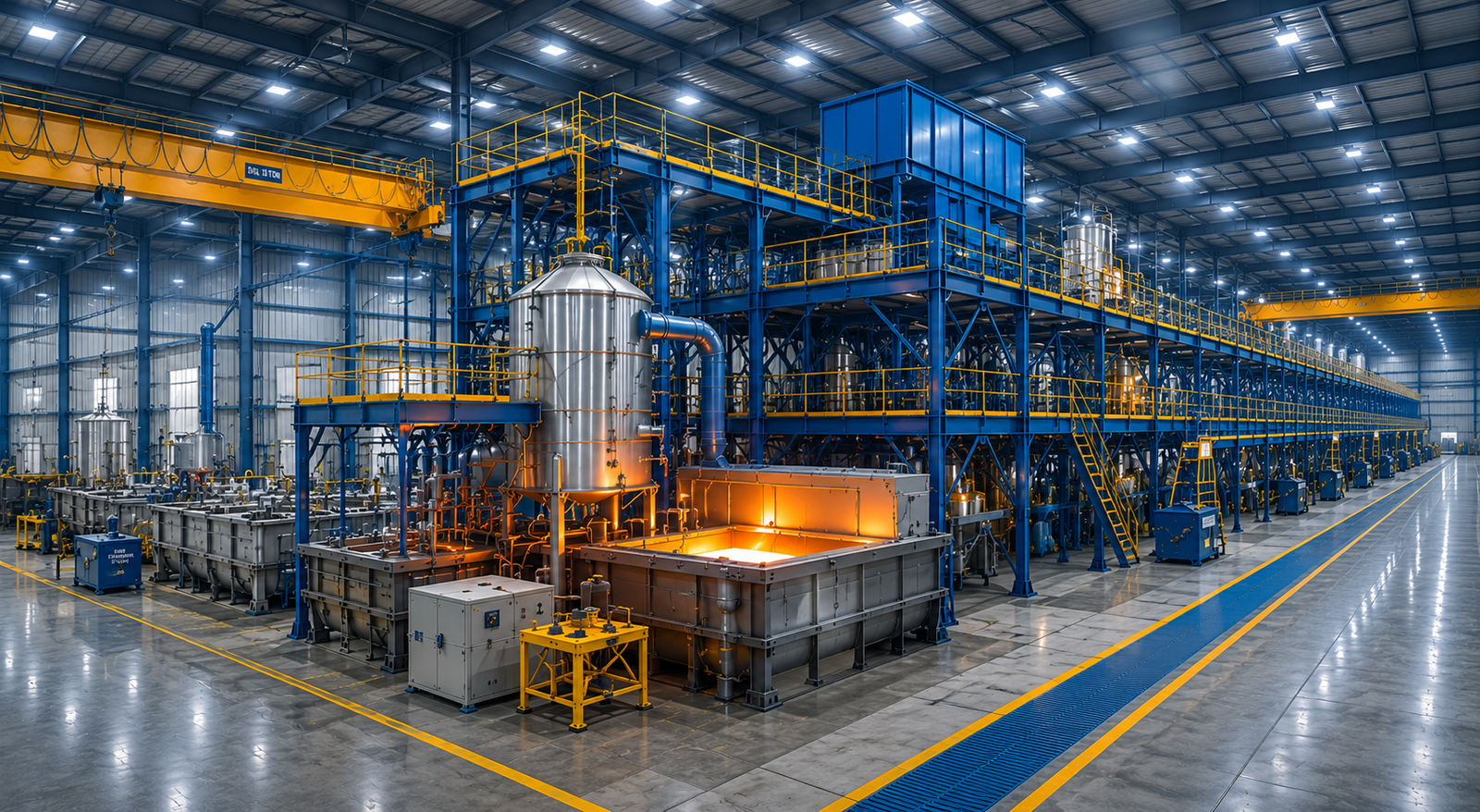
Furnace and pre-treatment equipment is needed in every plant type general, tube and pipe, and spin galvanizing all rely on stable kettle temperature, just at different scales depending on kettle size and batch frequency. Plants running multiple shifts or continuous production put more demand on furnace responsiveness than lower-volume operations.
Sizing and Customization
Furnace capacity, fuel type, and burner configuration are chosen based on kettle size, local fuel availability, and how many production cycles you’re running per day. Pre-treatment room design and dryer capacity are adjusted based on component volume and how much moisture typically needs to be removed before dipping.
Related Products
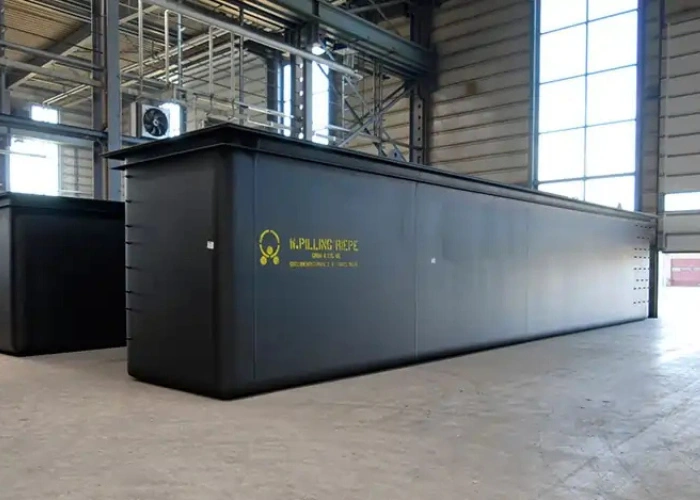
Zinc Kettle
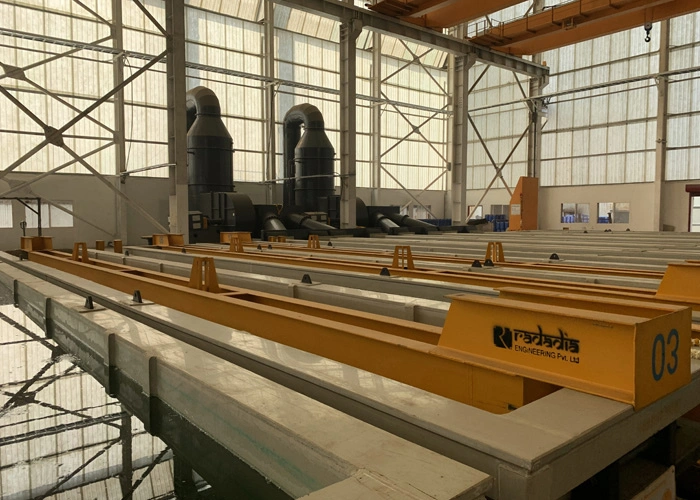
Pre-Treatment Tanks
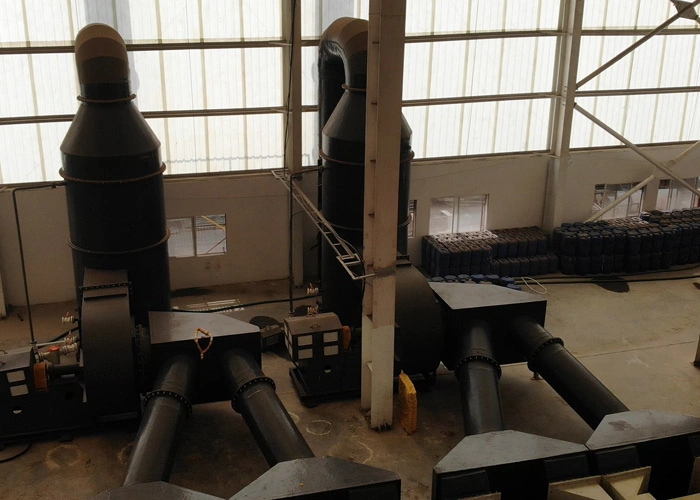
Fume & Environmental Systems
Talk to Us About Your Furnace Requirements
If you’re specifying a furnace for a new kettle or replacing an aging system that’s struggling with temperature consistency, get in touch and we’ll size it around your actual kettle and production schedule.
Frequently Asked Questioned!
Why is a pulse-fired furnace preferred over older furnace types?
Pulse-fired systems distribute heat more evenly and respond faster to temperature changes, which helps maintain consistent zinc temperature during continuous production runs.
What happens if wet components go into the zinc kettle?
Moisture reacting with molten zinc can cause violent steam explosions, which is why drying components before dipping is a critical safety step, not an optional one.
Can furnace fuel type be changed after installation?
It’s possible in some cases, but burner systems are generally designed around a specific fuel type, so switching later often means modifying or replacing burner components.
How does furnace size affect running costs?
An oversized furnace burns more fuel than necessary for your kettle size, while an undersized one struggles to maintain temperature both increase operating costs in different ways, which is why proper sizing matters upfront.