Galvanizing Plants Products
Turnkey Hot Dip Galvanizing Plant
A turnkey hot dip galvanizing plant is a complete, ready-to-run system delivered as a single package design, fabrication, installation, and commissioning all handled by one team. Instead of sourcing a kettle from one vendor, a furnace from another, and fume extraction from a third, you get a plant where every component is engineered to work together from the start. This is usually the preferred route for manufacturers setting up their first galvanizing line, or expanding into a new facility without an in-house engineering team to coordinate multiple suppliers.
Material Handling (Cranes, Hoists, Conveyors)
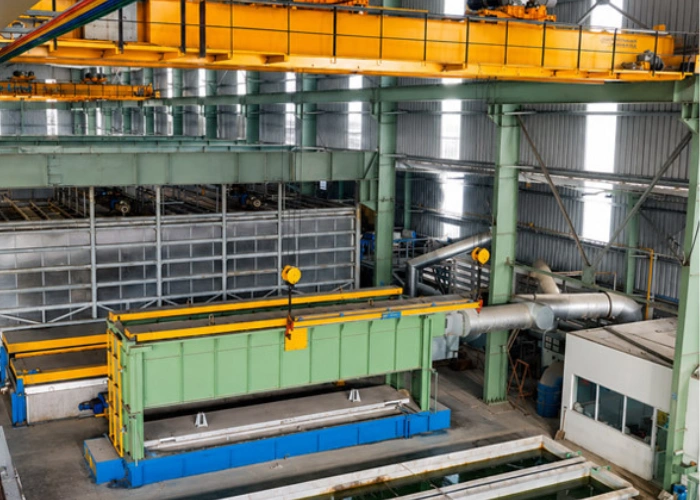
EOT Cranes & Hoists for Galvanizing
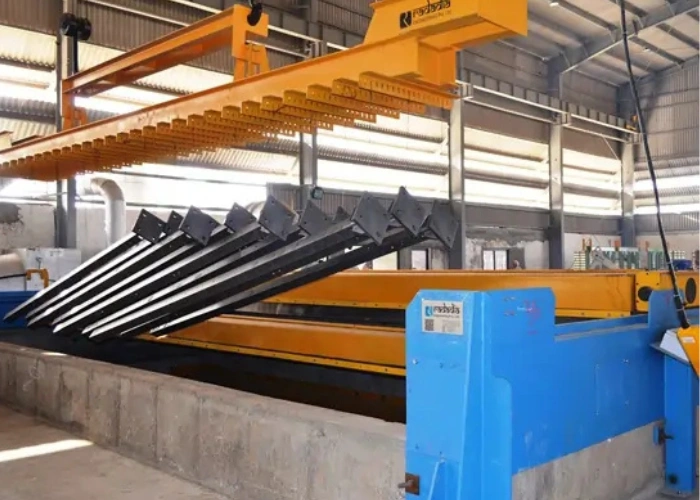
Moving components through a galvanizing line from pre-treatment tanks to the kettle to quenching involves lifting heavy, often awkwardly shaped loads repeatedly throughout a shift. EOT (Electric Overhead Traveling) cranes and hoists handle this movement, lifting and transferring loads across the plant floor without requiring floor-level equipment that would otherwise compete for space with tanks and kettles. For structural steel and general galvanizing especially, crane capacity and reach directly determine what size components a plant can actually process.
Kettles & Tanks
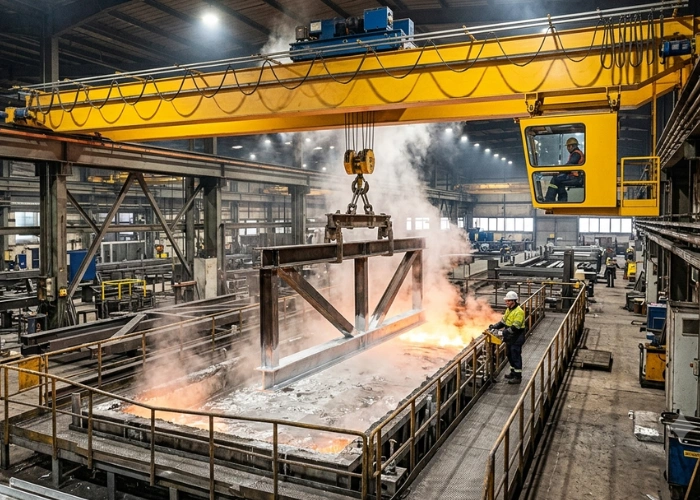
Zinc Kettle Galvanizing
The kettle is where the actual galvanizing happens, so it’s arguably the single most important piece of equipment in the entire plant. A zinc kettle holds molten zinc at a controlled temperature and needs to be sized, built, and maintained correctly get any of that wrong and you’re looking at coating defects, wasted zinc, or a kettle that fails well before it should. Whether it’s feeding a general galvanizing line, a pipe system, or a spin galvanizing setup, the kettle has to match what’s actually running through it.
Furnace & Drying Equipment
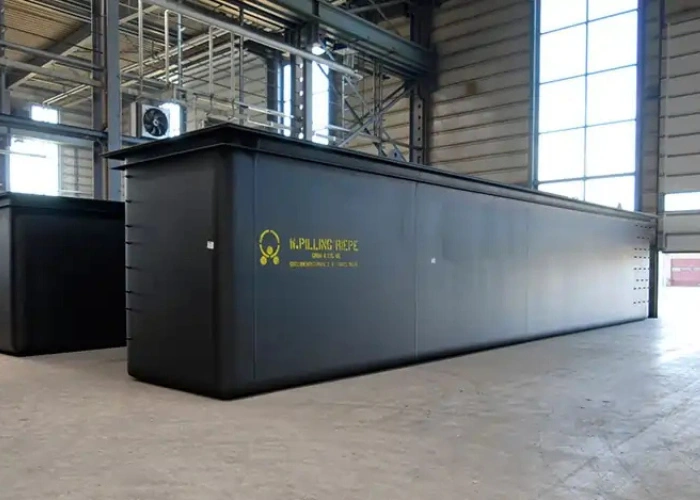
Galvanizing Furnace & Pre-Treatment Equipment
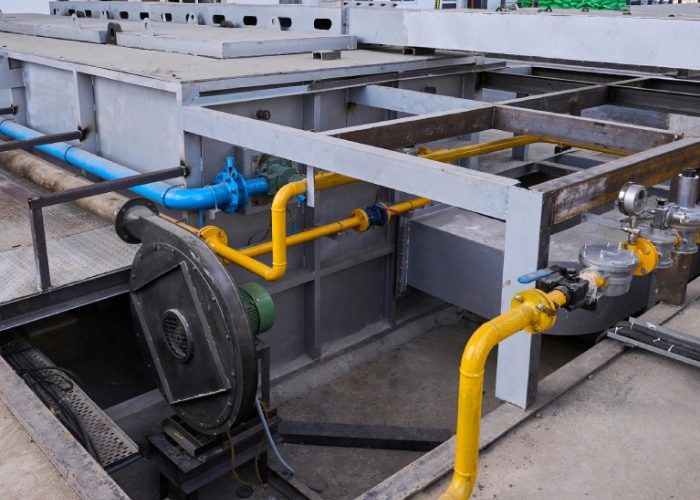
The furnace is what keeps the zinc kettle at the right temperature, day in and day out, through repeated heating cycles. A pulse-fired high velocity furnace is the most common choice for modern galvanizing plants because it heats zinc more evenly and responds faster to temperature changes than older furnace designs, which matters a lot when you’re running continuous batches and can’t afford the kettle temperature drifting out of range. Alongside the furnace, this equipment category also covers the drying and pre-treatment room setup that gets components ready before they reach the kettle.
Fume & Environmental Systems
Fume & Environmental Systems
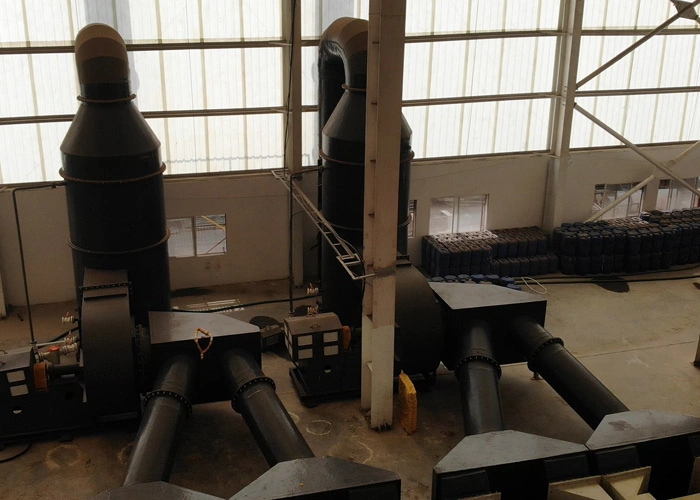
The galvanizing plant produces two different kinds of fumes that require treatment separately: one type of acid fumes produced by the pickling and fluxing tanks, and another kind of zinc fumes produced during the dipping of metal in the kettle. Environmental systems remove and treat these fumes and then discharge clean air in order for the galvanizing plant to stay within the legal limit of environmental pollution and not expose workers to the hazards of acid vapours and zinc oxide fumes. The build-up of both types of fumes on the plant floor is a safety issue before becoming a violation of law.
Zinc Recovery & Control Systems
Zinc Recovery & Pump Systems
Zinc isn’t cheap, and a fair amount of it ends up as dross, ash, and skimming during the dipping process if there’s no system in place to recover it. A zinc recovery and pump system captures usable zinc from waste by-products and moves molten zinc where it’s needed within the plant, cutting down on material loss that otherwise adds up significantly over months of continuous operation. For plants running high volumes, the difference between having proper recovery and not having it can show up directly on the raw material cost line.
Galvanizing Plants Products
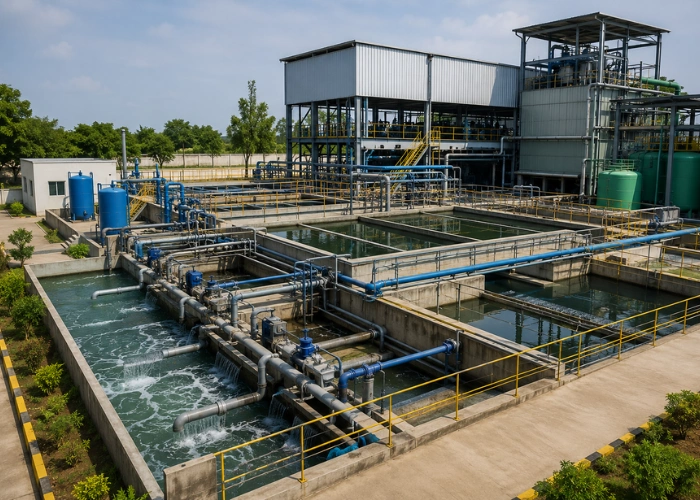
ETP/STP Galvanizing Plant
There are two distinct types of wastewater produced in a galvanizing plant that cannot be treated alike, and those are effluents produced from the processes of pickling, rinsing, and all the chemical treatments done and domestic sewage produced from facilities used by employees on site. The ETP (Effluent Treatment Plant) will treat industrial effluents, while the STP (Sewage Treatment Plant) will treat domestic sewage. Most galvanizing facilities need both systems running side by side to stay compliant with environmental regulations covering industrial and domestic waste separately.