
ETP/STP Galvanizing Plant
There are two distinct types of wastewater produced in a galvanizing plant that cannot be treated alike, and those are effluents produced from the processes of pickling, rinsing, and all the chemical treatments done and domestic sewage produced from facilities used by employees on site. The ETP (Effluent Treatment Plant) will treat industrial effluents, while the STP (Sewage Treatment Plant) will treat domestic sewage. Most galvanizing facilities need both systems running side by side to stay compliant with environmental regulations covering industrial and domestic waste separately.
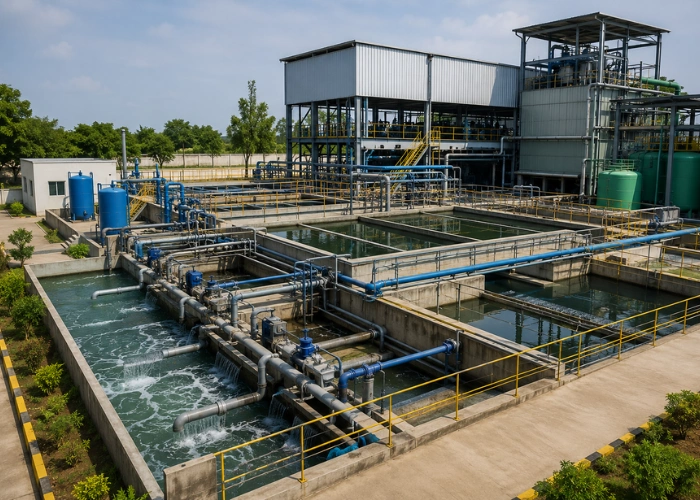
Key Features & Specifications
- ETP system for neutralizing acid effluent from pickling and rinse stages
- Chemical dosing and sedimentation stages to remove contaminants from process water
- STP system sized for on-site staff sewage load
- Sludge handling and disposal provisions for treated waste byproducts
- Water quality monitoring points for compliance verification
- Treated water reuse options where site conditions allow
How It Fits Into the Galvanizing Line
The wastewater from the pickling and rinsing tanks is channeled into the ETP and subjected to processes such as neutralization, chemical addition, and sedimentation so that acids and metal ions are separated out before release or recycling. The process operates independently of the STP, which deals with human sewage generated from washrooms and other facilities at the plant, since a mixture of industrial wastewater and human sewage makes treatment difficult and may even contravene regulations for releasing the two forms of wastewater separately.
Why Work With Us on ETP/STP Systems
Effluent treatment capacity needs to match your actual process water volume, not just staff headcount a common mistake is undersizing ETP capacity based on plant size alone, without accounting for how much pickling and rinse water your specific tank line generates. We size ETP and STP systems separately based on their actual respective waste sources, so neither system is stretched beyond capacity or built oversized for a plant with lower staff numbers but high process water volume.
Where This Applies
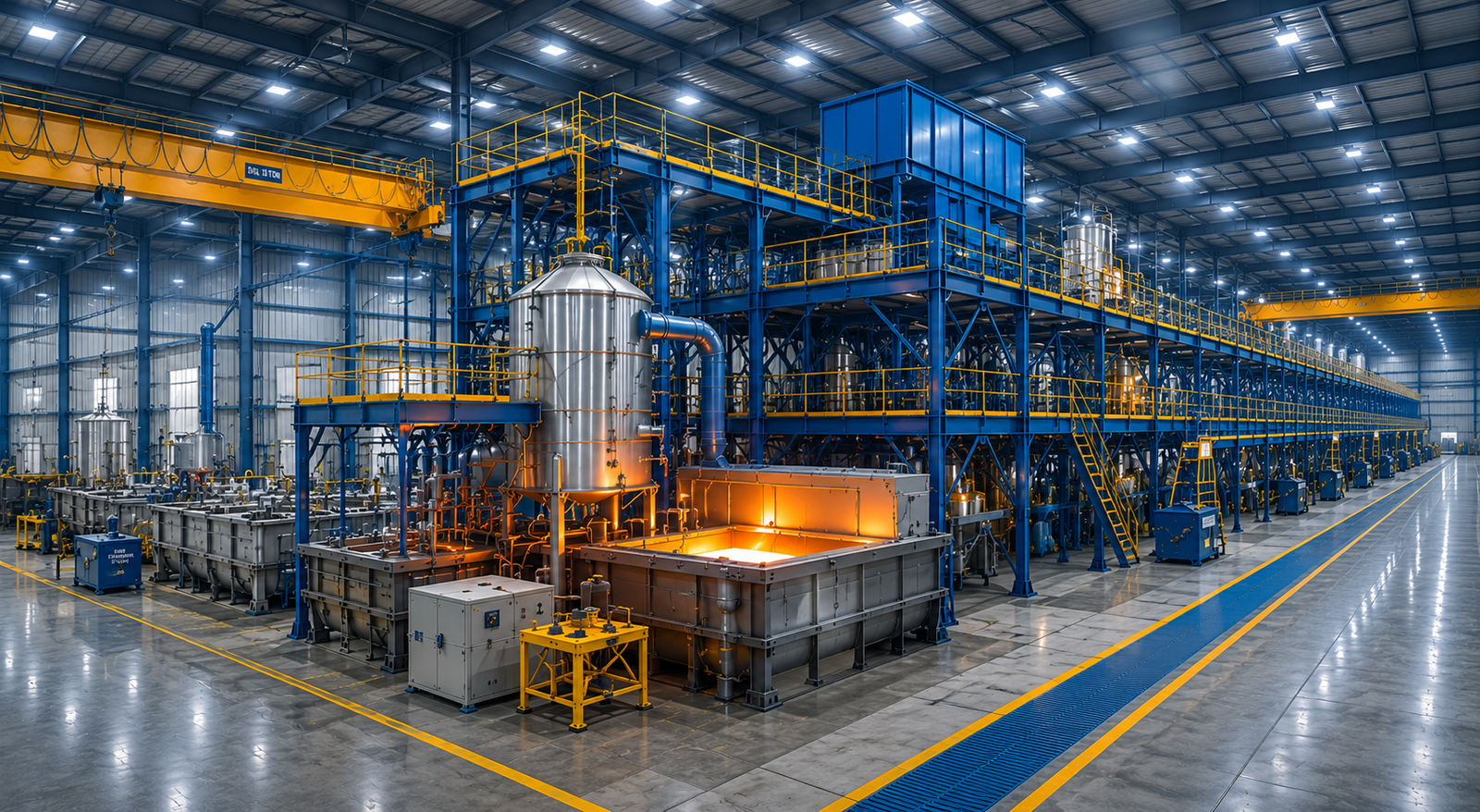
ETP and STP systems are required for essentially every galvanizing plant, since pickling and rinsing generate effluent regardless of whether you’re running general, tube and pipe, or spin galvanizing. Compliance requirements typically apply uniformly across plant types and scales, though capacity needs vary based on production volume and tank sizing.
Sizing and Customization
ETP capacity is based on process water volume from pickling and rinse tanks, while STP capacity is based on staff headcount and site sewage generation. Both can include treated water reuse options if your site has a practical use for recycled water, reducing overall fresh water consumption.
Related Products
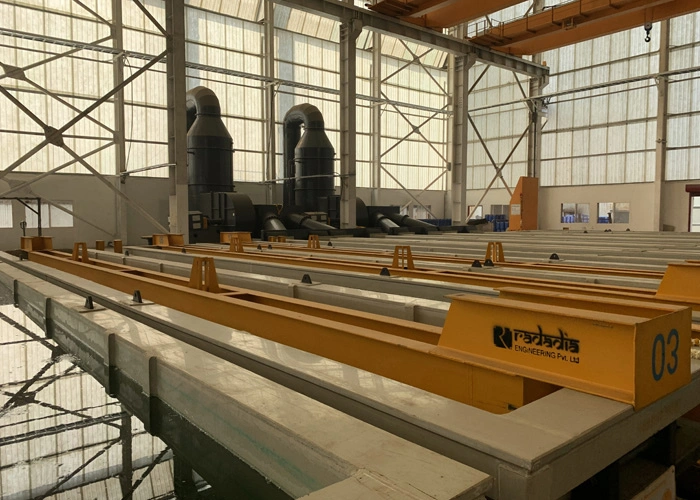
Pre-Treatment Tanks
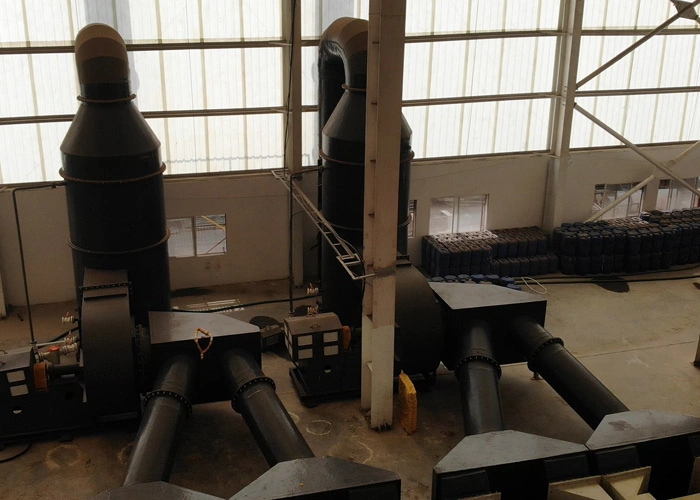
Fume & Environmental Systems
Storage Tanks (HDPE & Vertical)
Talk to Us About Your ETP/STP Requirements
If you’re setting up wastewater treatment for a new plant or need to bring an existing setup into compliance, get in touch and we’ll assess your process water volume and staff sewage load separately.
Frequently Asked Questioned!
Can ETP and STP systems be combined into one treatment unit?
Generally, no. Industrial effluent and domestic sewage need different treatment processes and typically have separate compliance standards, so they’re kept as distinct systems even when located near each other.
How is ETP capacity calculated for a galvanizing plant?
It’s based on the actual volume of pickling and rinse water your tank line generates, not just overall plant size or staff count, since process water volume varies significantly between plants.
What happens to sludge produced during effluent treatment?
Sludge by-product needs proper handling and disposal according to environmental regulations, which is typically built into the ETP system design from the start.
Can treated water from the ETP be reused in the plant?
In many cases, yes, depending on water quality after treatment and what stages of the process can use recycled water, which can reduce overall fresh water consumption