
Quench & Passivation Tanks
After the part is removed from the zinc kettle, it is still covered in molten zinc and must be cooled in a controlled manner – this is the purpose of the quenching and passivation tanks. Quenching allows for rapid and even cooling of the part just galvanized, whereas the passivation provides a protective layer that will keep the formation of the white rust during the initial days after galvanizing when the natural weathering process of the zinc coating has not yet occurred.
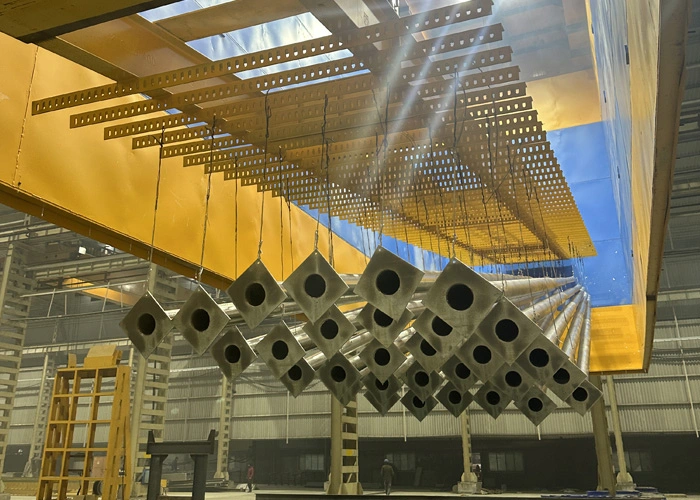
Key Features & Specifications
- Quench tank sized for rapid, even cooling of freshly dipped components
- Passivation tank with chromate or chromate-free treatment options
- Temperature-controlled water circulation to prevent thermal shock damage
- Tank capacity matched to component size and production throughput
- Drainage and handling setup that transitions smoothly from kettle to quench
- Chemical dosing system for consistent passivation coverage
How It Works in the Galvanizing Line
The component comes straight from the kettle into the quench tank, where it cools quickly enough to stop the zinc reaction without causing cracking or warping from sudden temperature change. From there, it usually moves into the passivation tank, where a thin chemical layer is applied to protect the fresh zinc surface freshly galvanized zinc is actually more vulnerable to white rust in its first few weeks than it is once it’s had time to form a natural patina. Getting the timing and chemistry right at this stage protects the coating quality you just spent the whole kettle process achieving.
Why Work With Us on Quench & Passivation Tanks
The gap between kettle and quench matters more than people expect too much delay and you lose the cooling control you need, too little and the component doesn’t get the brief air exposure that helps with proper zinc crystallization. We size quench tank capacity and passivation dosing around your actual production speed, so this stage keeps pace with the kettle instead of becoming a holding point that slows the whole line down.
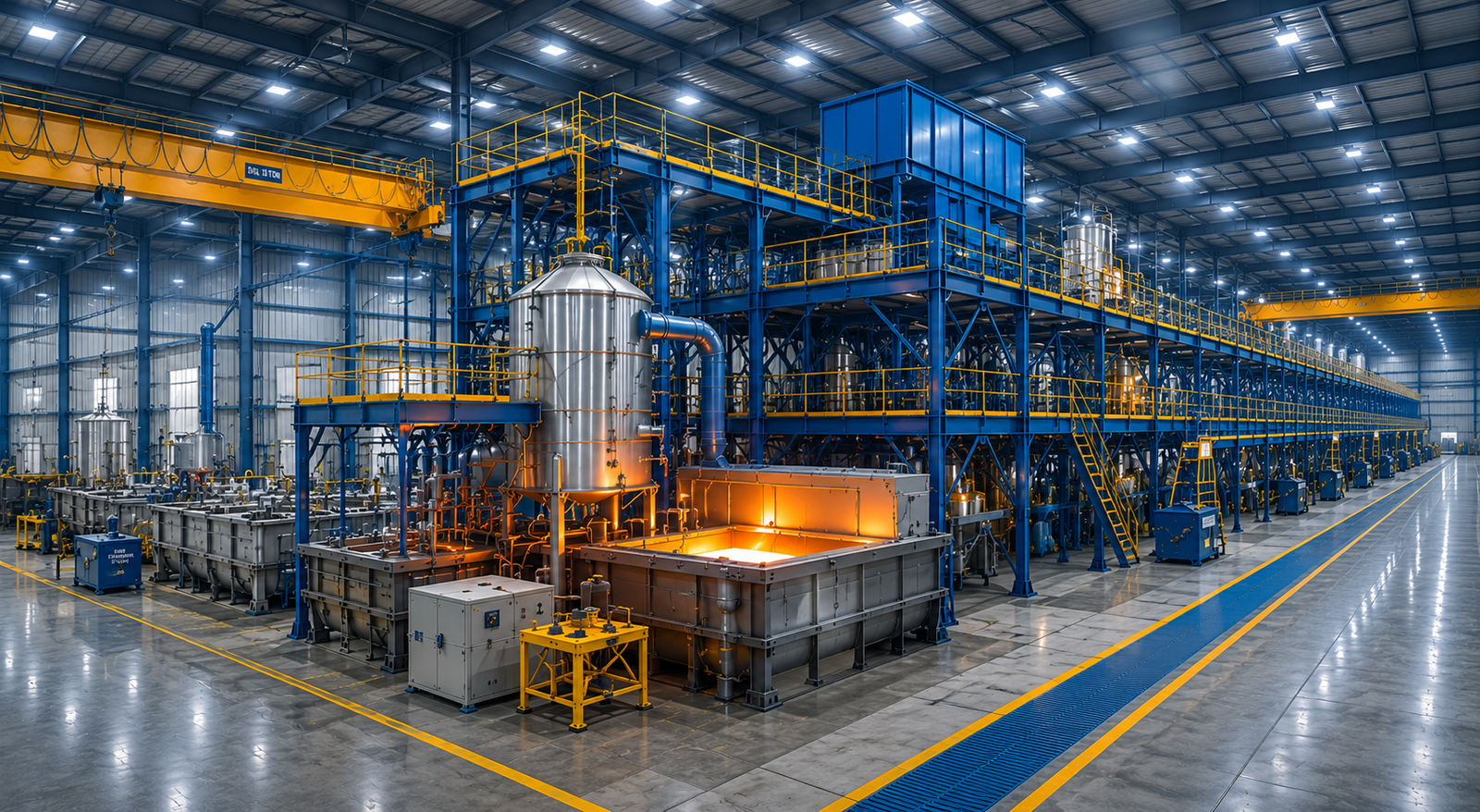
Where This Applies
Quench and passivation tanks are used across every plant type general, tube and pipe, and spin galvanizing all need this stage, though tank sizing and handling setup differ depending on whether you’re cooling large structural pieces, long pipes, or small batches of fasteners fresh out of a spin basket.
Sizing and Customization
Tank size, water circulation rate, and passivation chemistry (chromate vs. chromate-free, depending on your export market or environmental requirements) can all be adjusted based on your component volume and end-use requirements. Some manufacturers need passivation tuned to specific export standards, particularly for products headed to markets with stricter environmental regulations.
Related Products
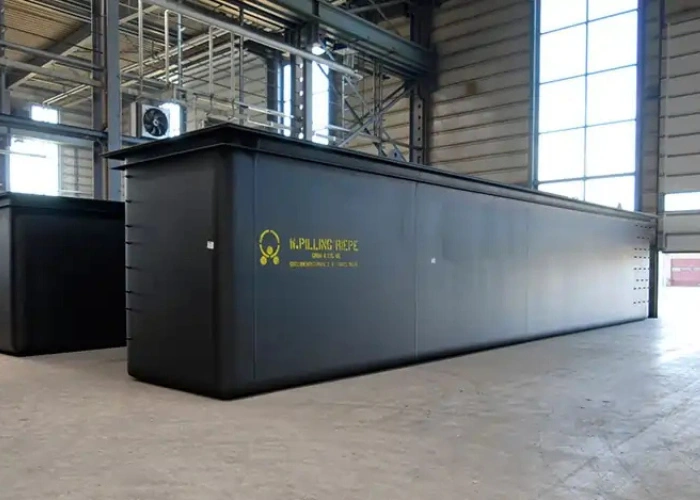
Zinc Kettle
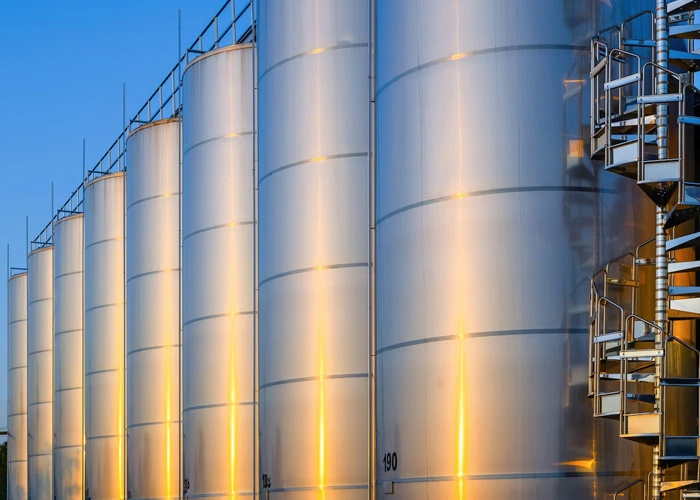
Storage Tanks (HDPE & Vertical)
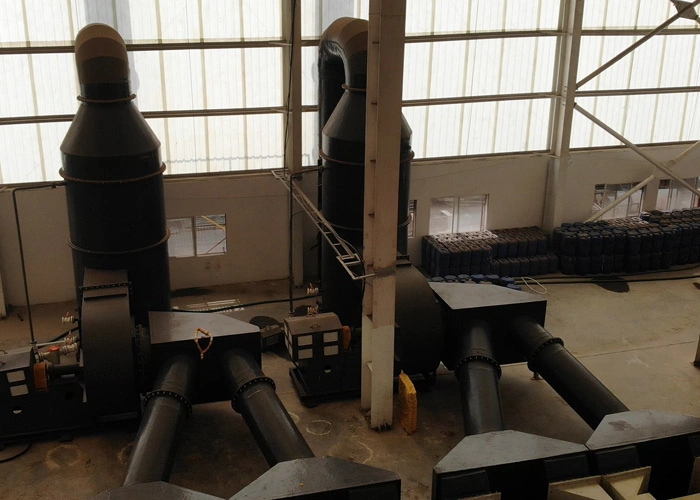
Fume & Environmental Systems
Talk to Us About Your Quench & Passivation Setup
If you’re specifying this stage for a new plant, or noticing white rust issues on finished components, get in touch and we’ll look at your current process and production speed.
Frequently Asked Questioned!
What is white rust and why does it happen?
White rust is a corrosion product that forms on fresh zinc surfaces when they’re exposed to moisture before a protective patina develops naturally. Passivation prevents this by adding a protective layer right after galvanizing.
Why can't components just air-cool instead of going through a quench tank?
Air cooling is slower and less controlled, which can affect coating consistency and slow down production. Quenching also allows the component to move to the next stage faster.
Is chromate passivation still used, or has it been phased out?
Both chromate and chromate-free passivation options exist. The right choice depends on environmental regulations in your target market and specific end-use requirements for the galvanized product.
Can quench and passivation be combined into one tank?
Some plants do combine these stages depending on layout and volume, though keeping them separate generally gives better control over cooling rate and passivation coverage.