
Pneumatic Dross Grab
Dross the iron-zinc byproduct that settles at the bottom of the kettle during galvanizing needs to be removed regularly, or it builds up and interferes with dipping quality and kettle capacity. The dross grab is pneumatically operated, whereby it is powered by means of air that lift the dross from the kettle without having to be scooped or raked manually by the laborers since it is strenuous work done near the molten zinc.
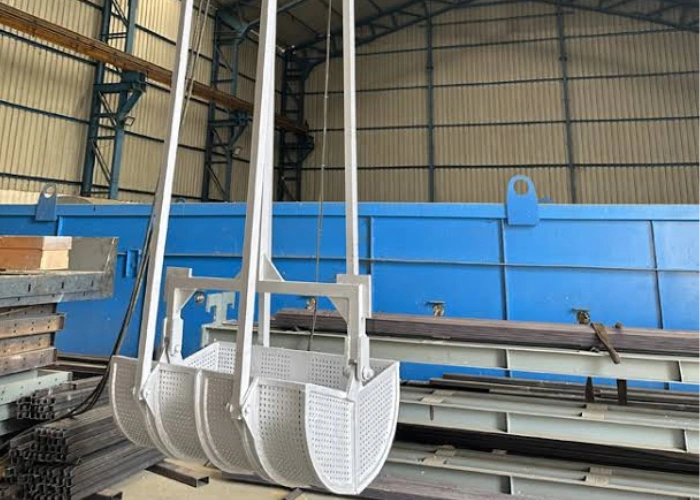
Key Features & Specifications
- Pneumatic (air-powered) grab mechanism for lifting dross from the kettle floor
- Heat-resistant construction suited to direct molten zinc exposure
- Adjustable grab positioning for reaching different areas of the kettle
- Integration with zinc recovery systems for processing removed dross
- Reduced manual handling compared to traditional raking or scooping methods
- Built for repeated use across regular dross removal cycles
How It Fits Into the Galvanizing Line
Dross settles at the bottom of the kettle as iron from dipped components reacts with the zinc, and if it’s not removed periodically, it reduces usable kettle capacity and can interfere with clean dipping. A pneumatic grab reaches into the kettle and lifts dross out during scheduled removal cycles, after which the recovered material typically moves to a zinc recovery system where usable zinc is extracted from the dross rather than treating it purely as waste.
Why Work With Us on Dross Removal Equipment
Manual dross removal is slow, physically demanding, and keeps workers close to a kettle at extreme temperature for longer than necessary. We size the grab mechanism and reach around your kettle dimensions and typical dross accumulation rate, so removal cycles are quick and don’t require workers spending extended time at the kettle edge with manual tools.
Where This Applies
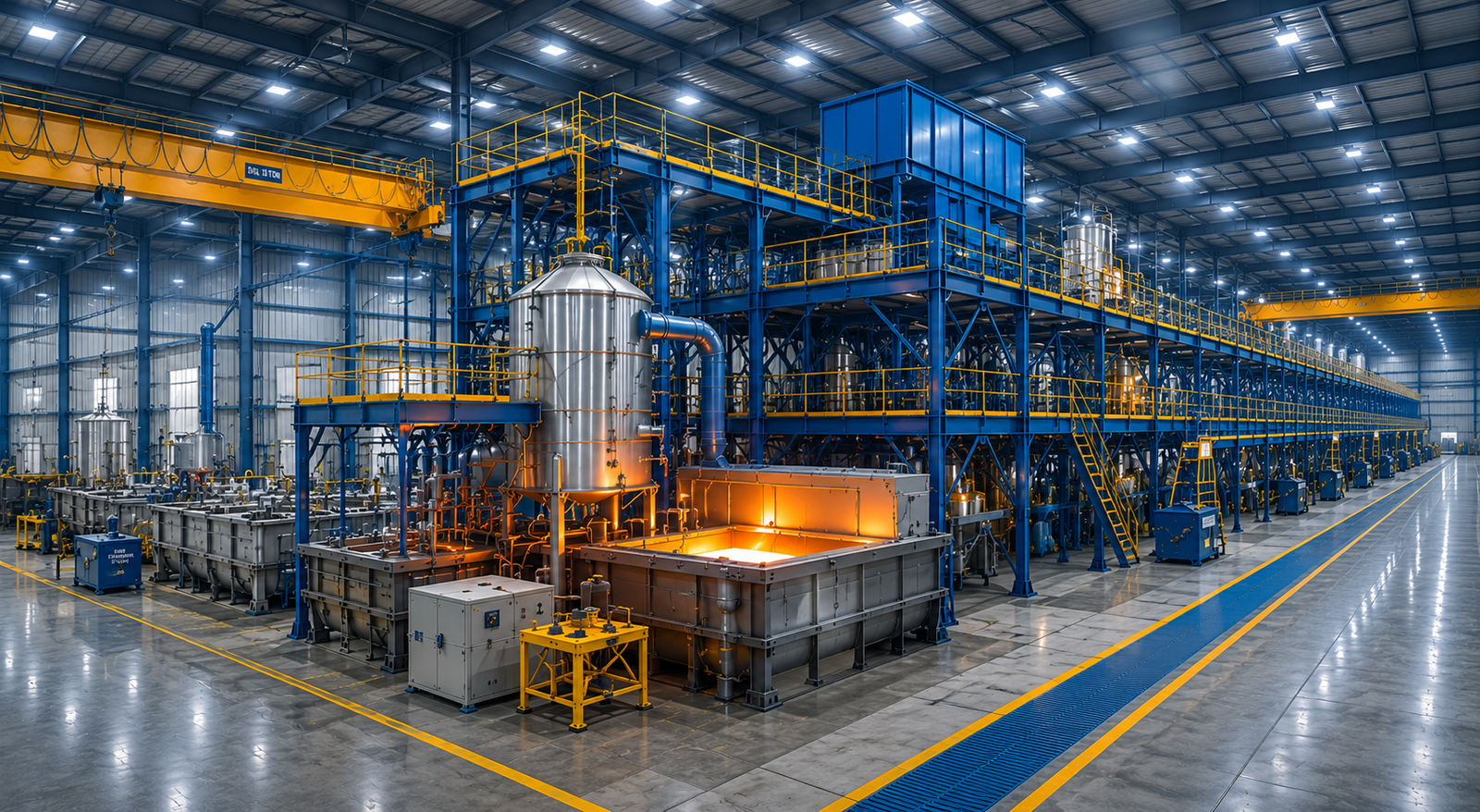
Pneumatic dross grabs are relevant for any plant running a zinc kettle continuously general, tube and pipe, and spin galvanizing all generate dross over time, with higher-volume plants needing more frequent removal cycles to maintain consistent kettle capacity and dipping quality.
Sizing and Customization
Grab reach, capacity, and cycle frequency are chosen based on your kettle dimensions and how quickly dross accumulates given your production volume and component types. Pairing this equipment with a zinc recovery system maximizes the value recovered from removed dross rather than discarding it as pure waste.
Related Products
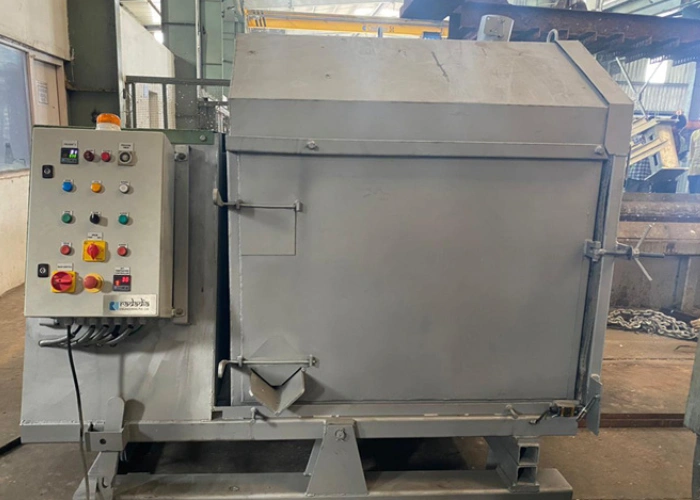
Zinc Recovery & Pump Systems
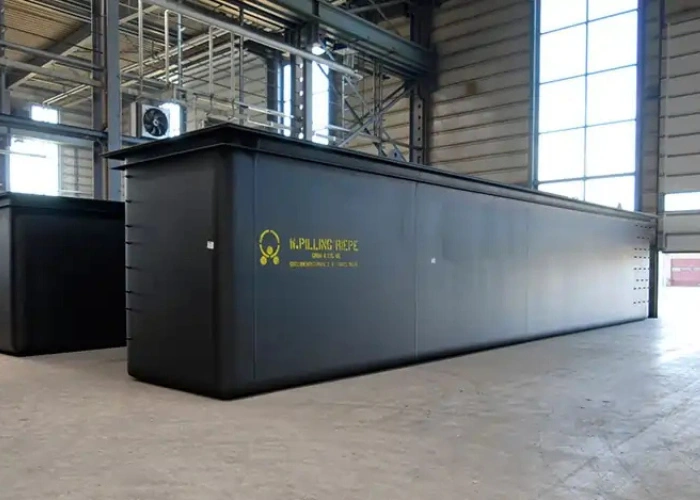
Zinc Kettle
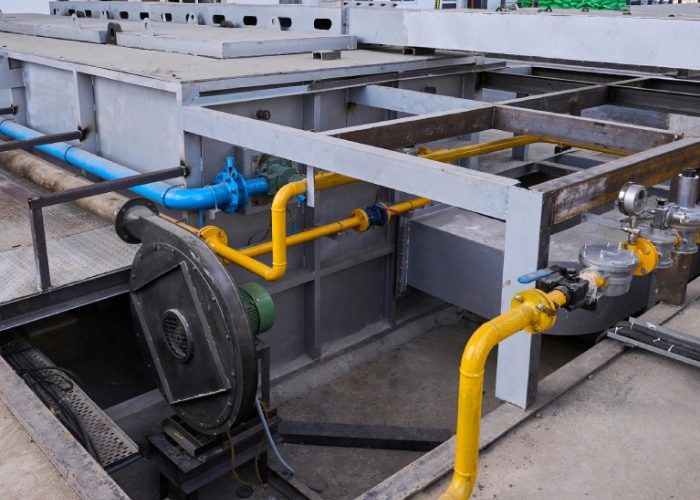
Galvanizing Furnace & Pre-Treatment Equipment
Talk to Us About Your Dross Removal Requirements
If you’re looking to reduce manual handling around kettle maintenance or improve dross recovery efficiency, get in touch and we’ll assess your kettle size and production volume.
Frequently Asked Questioned!
Why does dross need to be removed regularly?
Left unchecked, dross buildup reduces usable kettle capacity and can interfere with clean, even dipping, which affects coating quality over time.
Is manual dross removal dangerous?
It involves working close to molten zinc for extended periods with manual tools, which carries more risk and physical strain than using a pneumatic grab designed for the task.
Does removed dross need to be discarded?
Not necessarily dross can be processed through a zinc recovery system to extract usable zinc, reducing overall material waste rather than treating it as pure loss.
How often does dross removal need to happen?
This depends on production volume and component types, since dross accumulates as a byproduct of the dipping process, so higher-throughput plants typically need more frequent removal cycles.