
Jig Lowering & Lifters
Why Does Jig Lowering Speed Matter During Hot Dip Galvanizing?
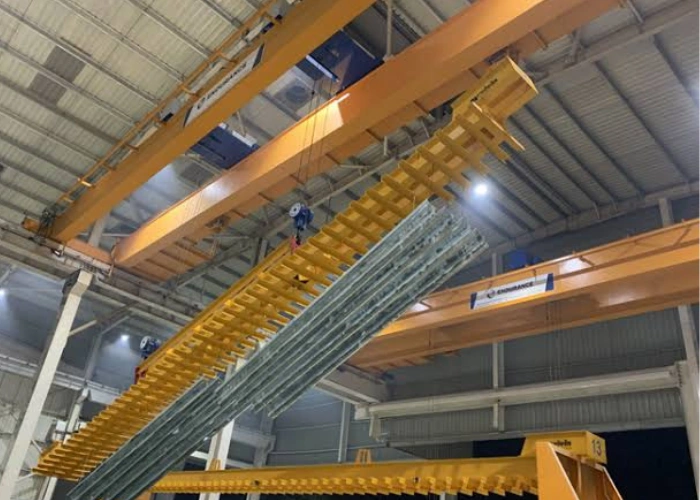
After a part is put into the jig or rack, it must be carefully lowered into the zinc kettle at an appropriate speed if too quick, the surface of molten zinc gets disturbed and air bubbles form; if too slow, it will slow down the whole manufacturing process. The system for lowering and raising jigs provides precisely such a transfer, ensuring that the process of lowering the jig in and out of the kettle goes smoothly for all the batches, no matter who works on the line.
Key Features & Specifications
- Controlled lowering speed to prevent zinc splashing and air entrapment
- Programmable dip duration matched to coating thickness requirements
- Lifting mechanism sized to jig and component load capacity
- Position sensors for accurate kettle alignment during lowering
- Integration with crane or monorail systems for seamless handoff
- Safety interlocks to prevent lowering if kettle conditions aren't within range
How It Works in the Galvanizing Line
After a loaded jig arrives at the kettle via crane or monorail, the lifter takes over, lowering the component into molten zinc at a controlled speed and holding it for the programmed dip duration before lifting it back out again at a controlled rate to avoid zinc dripping unevenly or splashing. This handoff between overhead transport and the actual dipping motion is where a lot of coating inconsistency originates if it’s left to manual control, since dip speed and duration are hard to replicate exactly by hand, batch after batch.
Why Work With Us on Jig Lowering Systems
Dip timing consistency is one of the biggest factors in coating quality, and that consistency starts with how precisely the jig lowering system controls speed and duration. We calibrate lowering speed, dip time, and lifting rate around your specific component types and target coating thickness, so the system produces the same result on the hundredth cycle as it does on the first, rather than drifting based on whoever’s running the line that day.
Where This Applies
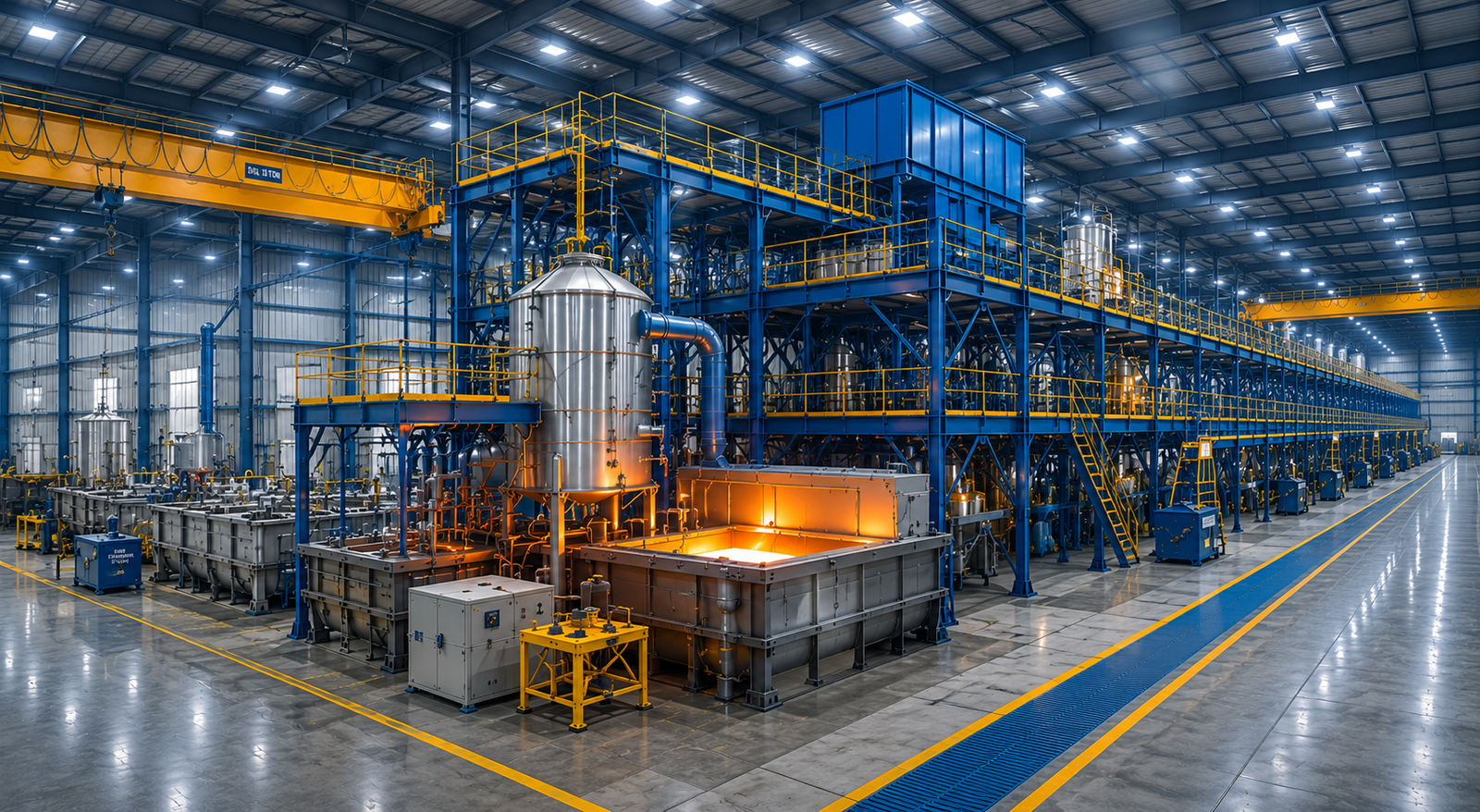
Jig lowering and lifting systems are relevant wherever components are dipped via jig or rack rather than basket general galvanizing and tube/pipe systems both depend on this stage for coating consistency, particularly in plants running higher volumes where manual timing variation would show up as visible quality differences across batches.
Sizing and Customization
Lowering speed, dip duration programs, and load capacity are configured based on your component types, target coating thickness, and kettle dimensions. Multiple dip programs can also be set up if your production includes components requiring different dip times or coating specifications.
Related Products
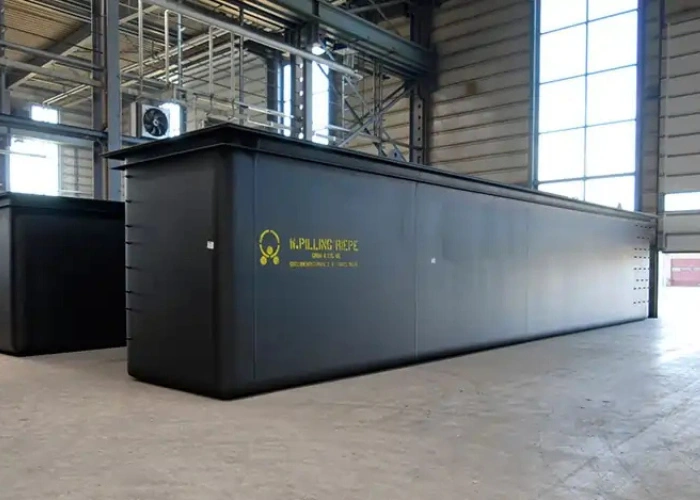
Zinc Kettle
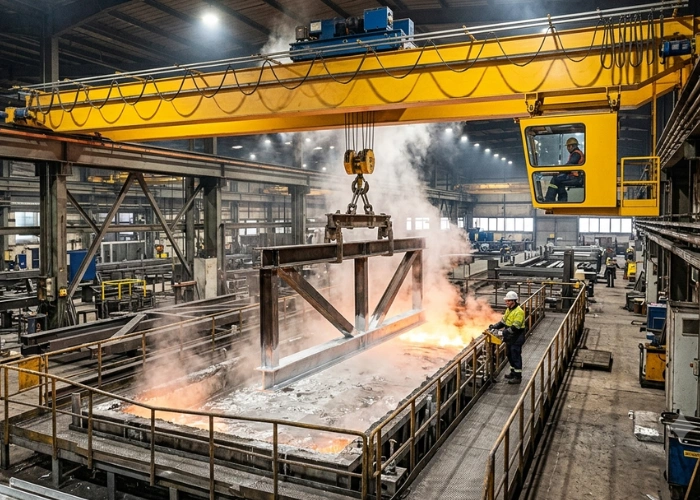
EOT Cranes & Hoists
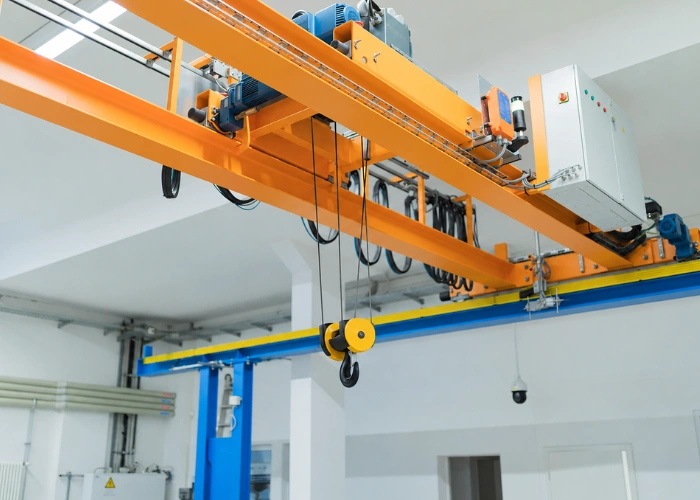
Automatic Crane System
Talk to Us About Your Jig Lowering Requirements
If you’re setting up dip control for a new plant or noticing coating inconsistency tied to manual jig handling, get in touch and we’ll assess your component range and coating requirements.
Frequently Asked Questioned!
Why can't jig lowering just be done manually by an operator?
Manual lowering introduces variation in speed and timing that’s hard to replicate consistently across shifts and operators, which shows up as inconsistent coating thickness over time.
What happens if a jig is lowered too quickly?
Fast lowering can disturb the zinc surface, causing splashing and trapping air pockets against the component surface, which leads to coating defects.
Can dip duration be adjusted for different component types?
Yes. Multiple dip programs can be set up so the system applies the right duration based on the component or coating thickness required, rather than a single fixed setting.
Does this system work with both crane and monorail handling?
Yes, jig lowering and lifting systems are typically designed to integrate with whatever overhead handling system crane, monorail, or automatic delivers the jig to the kettle.