
Zinc Recovery & Pump Systems
Zinc isn’t cheap, and a fair amount of it ends up as dross, ash, and skimming during the dipping process if there’s no system in place to recover it. A zinc recovery and pump system captures usable zinc from waste by-products and moves molten zinc where it’s needed within the plant, cutting down on material loss that otherwise adds up significantly over months of continuous operation. For plants running high volumes, the difference between having proper recovery and not having it can show up directly on the raw material cost line.
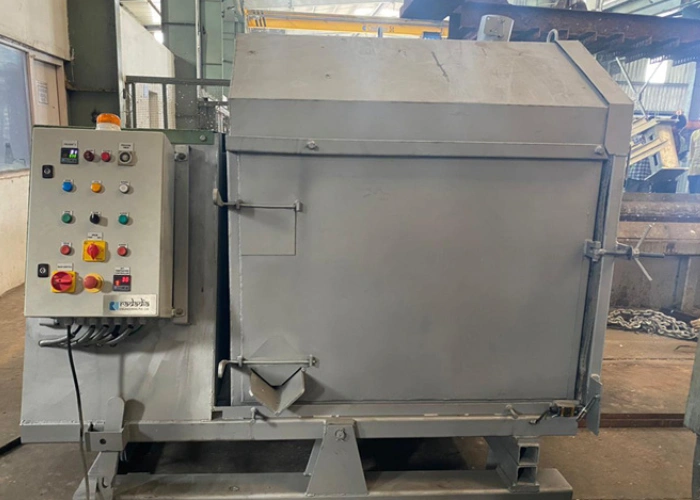
Key Features & Specifications
- Zinc pump for transferring molten zinc between kettle and auxiliary tanks
- Recovery system to extract usable zinc from dross and ash by-products
- Skimming and separation equipment to isolate zinc from surface impurities
- Temperature-controlled handling to keep recovered zinc in usable condition
- Integration with kettle and storage systems for seamless zinc transfer
- Corrosion and heat-resistant construction suited to molten metal handling
How It Works in the Galvanizing Line
As components dip in and out of the kettle, zinc oxidizes on the surface and forms dross that settles at the bottom or skims off the top. Left untreated, that dross represents pure waste but a recovery system processes it to extract the usable zinc trapped within, feeding it back into the kettle supply. The pump system works alongside this, moving molten zinc between the kettle and auxiliary tanks when needed, which is particularly useful during kettle maintenance or when transferring zinc for recovery processing without letting it solidify.
Why Work With Us on Zinc Recovery Systems
Recovery efficiency depends heavily on how the skimming and separation process is set up a poorly designed system either misses recoverable zinc or introduces contamination back into clean zinc supply. We size recovery capacity around your actual production volume and dross generation rate, so the system captures a meaningful percentage of what would otherwise be lost, rather than functioning as a token add-on that barely offsets its own operating cost.
Where This Applies
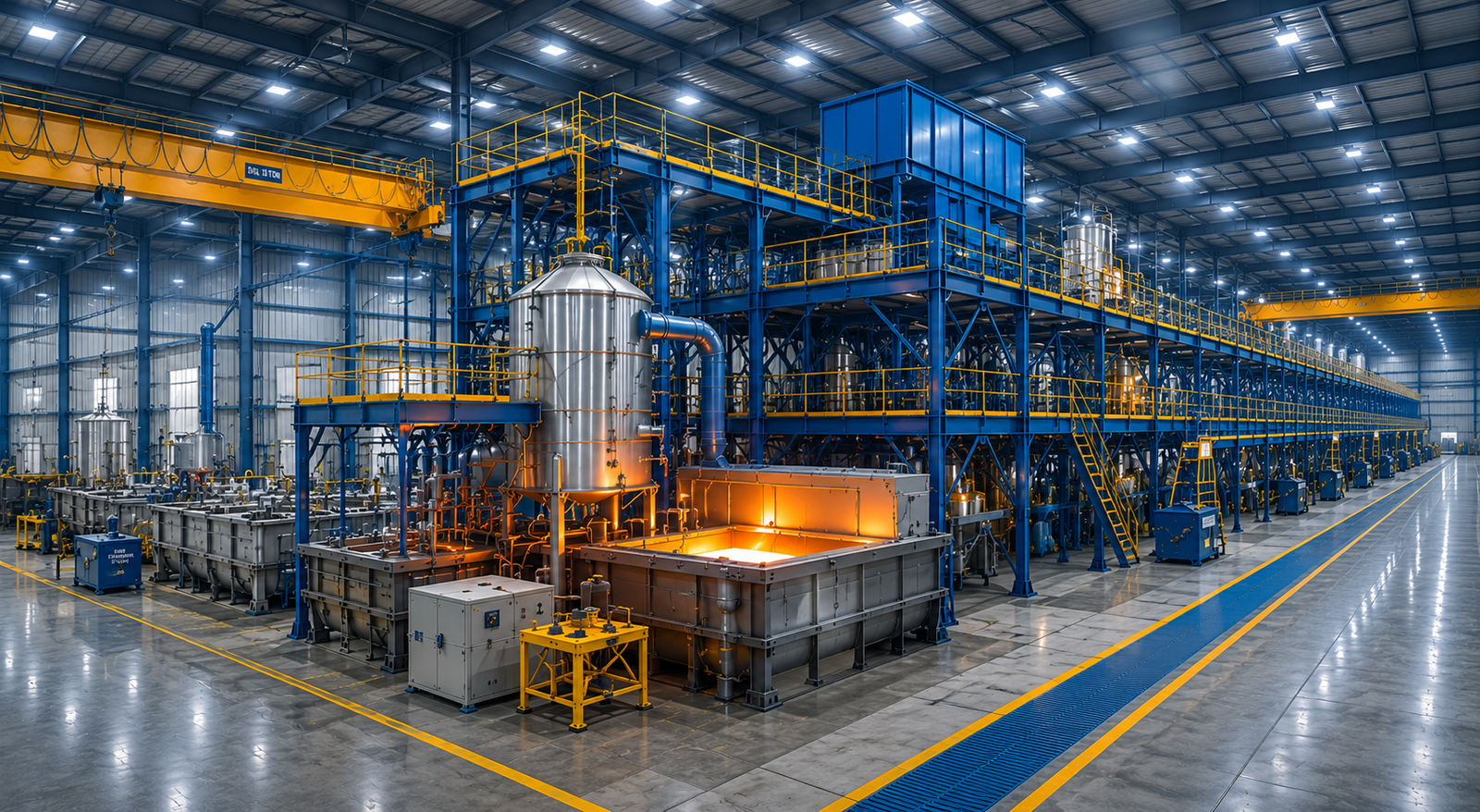
Zinc recovery is relevant for any plant running regular kettle operations general, tube and pipe, and spin galvanizing all generate dross and ash that can be processed for recovery, with higher-volume plants seeing the most meaningful cost impact from proper recovery systems.
Sizing and Customization
Recovery system capacity, pump specifications, and skimming frequency are chosen based on your kettle size, production volume, and how much dross your specific operation typically generates. Plants running higher zinc throughput generally see faster payback on a properly sized recovery system.
Related Products
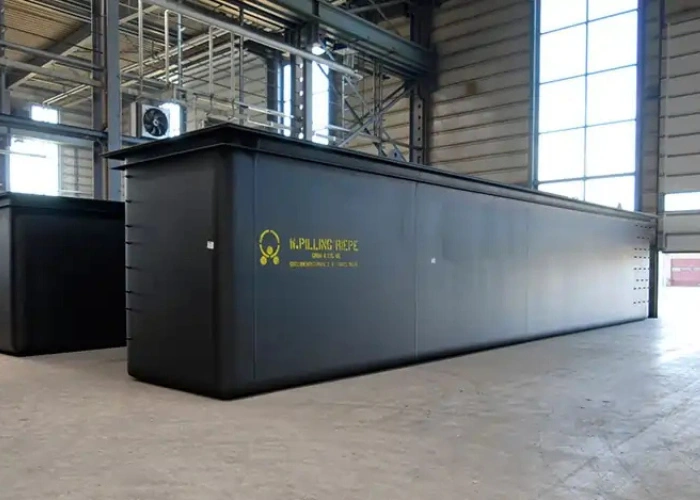
Zinc Kettle
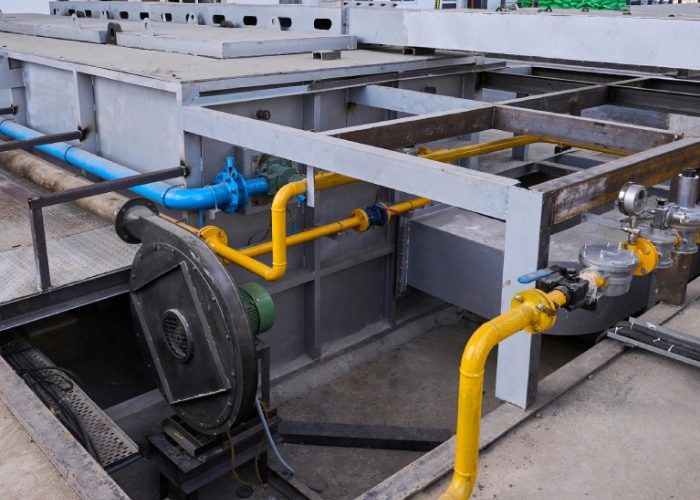
Galvanizing Furnace & Pre-Treatment Equipment
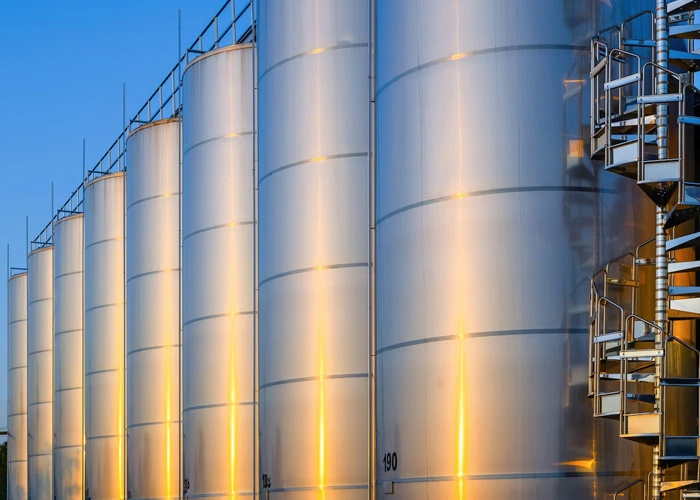
Storage Tanks (HDPE & Vertical)
Talk to Us About Your Zinc Recovery Requirements
If you’re looking to reduce zinc waste in an existing plant or want recovery built into a new plant design from the start, get in touch and we’ll assess your kettle size and production volume.
Frequently Asked Questioned!
How much zinc can typically be recovered from dross?
Recovery rates vary based on system design and how dross is processed, but a properly sized recovery system can meaningfully reduce the amount of zinc otherwise lost as waste.
Does the pump system work with molten zinc directly?
Yes. The pump is built to handle molten zinc at operating temperature, transferring it between the kettle and auxiliary tanks without letting it cool and solidify mid-transfer.
Is recovered zinc as pure as fresh zinc?
When properly filtered and separated from impurities, recovered zinc can be reintroduced into the kettle supply for continued use, though quality depends on how well the separation process is managed.
Does a zinc recovery system need much maintenance?
Like any equipment handling molten metal, it needs regular upkeep, but the cost savings from reduced zinc waste typically outweigh the maintenance investment over time.