
Pre-Treatment Tanks
Proper bonding of zinc cannot take place on an unclean or oxidized surface; this is why there is a need for pre-treatment in the first place. Everything has to go through a series of pre-treatment tanks before being placed into the kettle, where the zinc is applied after the oil, mill scale, and rust have been removed from the metal and the surface is ready for the formation of metallurgical bonding between zinc and the base material.
Key Features & Specifications
- Degreasing tank to remove oil, grease, and surface contaminants
- Pickling tank (acid bath) to strip rust and mill scale down to bare metal
- Rinse tanks between stages to prevent cross-contamination of chemicals
- Fluxing tank to prepare the surface for zinc adhesion and prevent oxidation before dipping
- Tank sizing matched to component dimensions and batch throughput
- Acid-resistant lining and construction built for prolonged chemical exposure
How It Works in the Galvanizing Line
The sequence usually runs degreasing, rinse, pickling, rinse, then fluxing each stage removing a different type of contamination before the component reaches the kettle. Degreasing handles oils and shop residue, pickling deals with rust and scale using an acid bath, and fluxing leaves a thin protective layer that keeps the surface from oxidizing again in the gap between the tank and the kettle. Skipping or shortening any one of these stages tends to show up later as coating defects that are far more expensive to fix than the pre-treatment step would have been.
Why Work With Us on Pre-Treatment Tanks
Tank sizing and chemical concentration both need to match what’s actually running through the line a tank built for occasional small batches won’t hold up under continuous high-volume processing, and undersized tanks force operators to rush stages that shouldn’t be rushed. We size tank capacity, dwell time, and construction material around your actual throughput and component range, so pre-treatment isn’t the bottleneck that slows down an otherwise well-designed plant.
Where This Applies
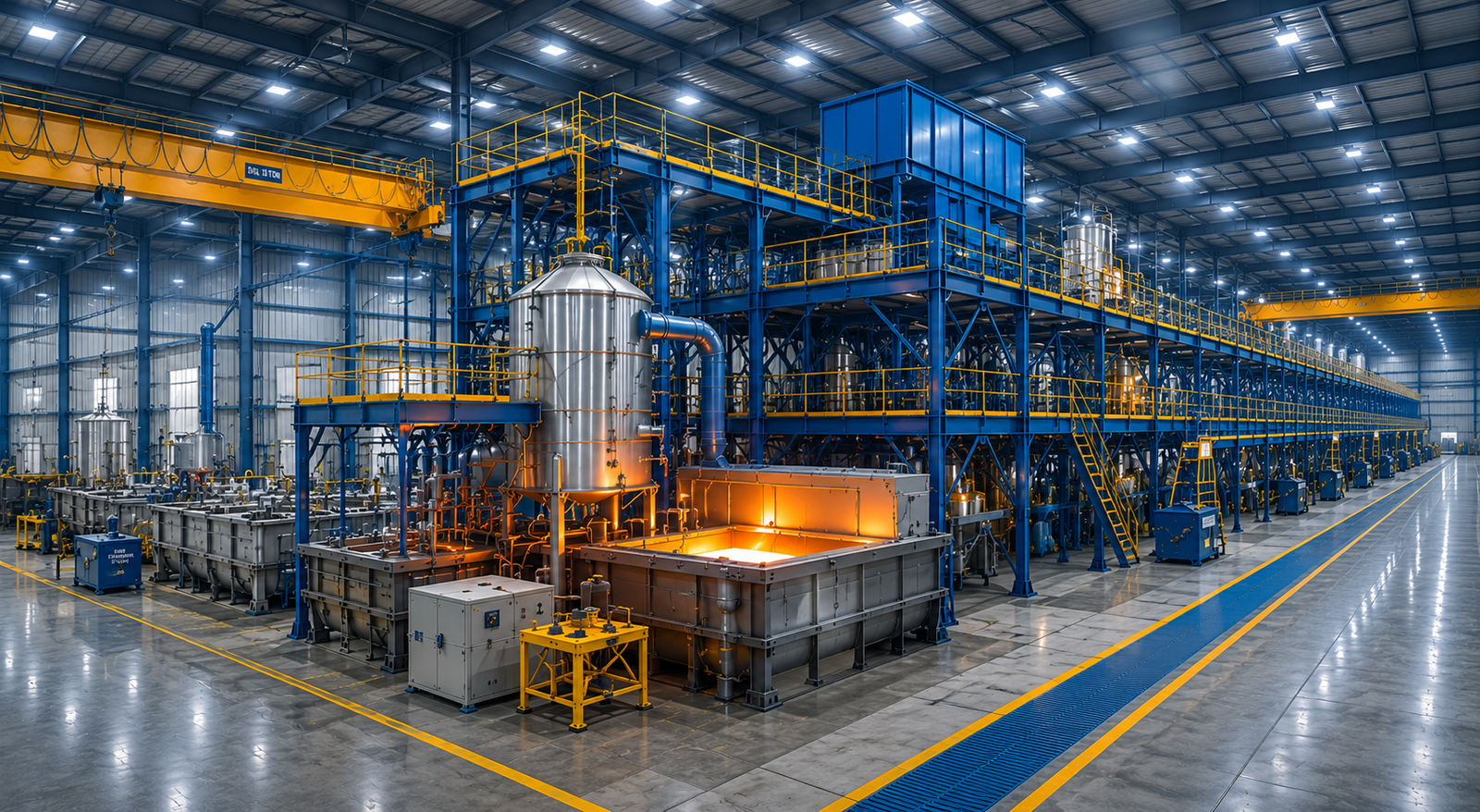
Every galvanizing plant type needs pre-treatment general, tube and pipe, and spin galvanizing all rely on the same core stages, just configured differently. Pipe and tube lines need tanks that let cleaning solution reach the internal bore, not just the outer surface, while spin galvanizing tanks are built around basket immersion rather than single large components.
Sizing and Customization
Tank dimensions, dwell time, and acid concentration levels are adjusted based on your component sizes, the condition of incoming material (heavily rusted stock needs longer pickling time than clean stock), and your daily production targets. Tanks can also be built with automated dosing or heating systems if consistency across shifts is a priority.
Related Products
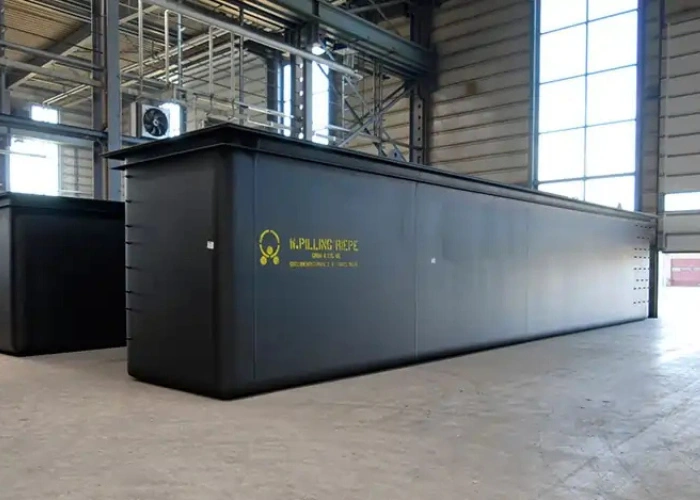
Zinc Kettle
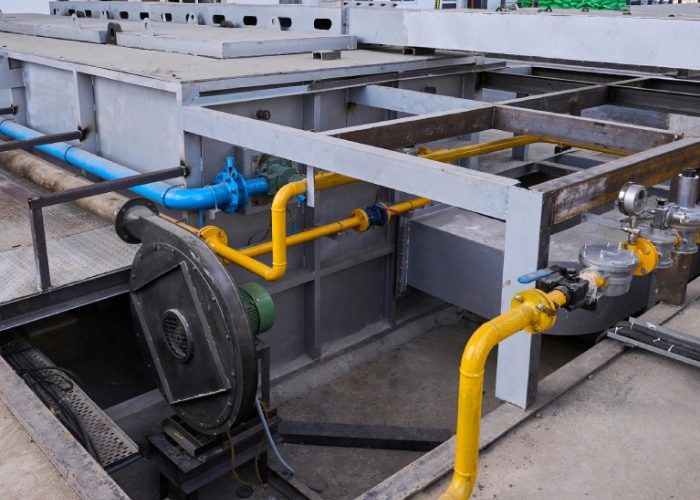
Galvanizing Furnace & Drying Equipment
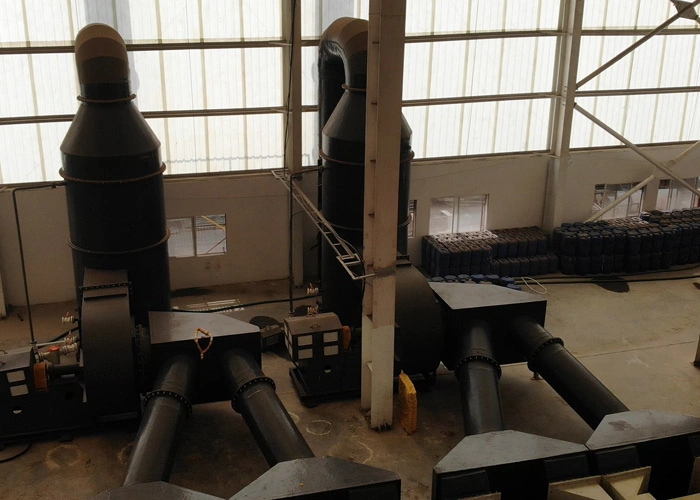
Fume & Environmental Systems
Talk to Us About Your Pre-Treatment Setup
If you’re setting up pre-treatment for a new plant or your current tanks are struggling to keep up with production, get in touch and we’ll size the tank line around your actual material condition and volume.
Frequently Asked Questioned!
What happens if a component skips a pre-treatment stage?
Skipping degreasing, pickling, or fluxing usually results in poor zinc adhesion, patchy coating, or bare spots where zinc doesn’t bond to the surface at all.
How often does pickling acid need to be replaced?
This depends on how much material runs through the tank and how rusted the incoming stock is heavily used acid loses effectiveness and needs monitoring or replacement to keep pickling times consistent.
Can pre-treatment tanks be automated?
Yes. Dosing, heating, and even load transfer between tanks can be automated, which helps keep chemical concentration and dwell time consistent across shifts.
Why is fluxing done right before dipping and not earlier?
Flux protects the surface from oxidizing before the zinc dip, so it needs to be applied close to the dipping stage too much delay and the surface can start oxidizing again before it reaches the kettle.