Plant Supervisory Control System
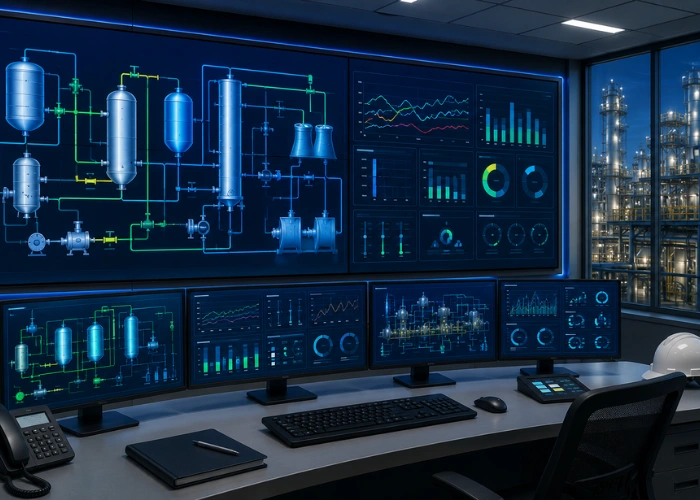
Once a plant has several automated systems running furnace, cranes, pumps, control panels someone still needs a single point to see what’s actually happening across all of them at once. Plant supervisory control systems gather information from control panels and equipment at individual locations into one interface, typically SCADA or PLC, allowing operators to get a view of temperature, cycles, and errors throughout the facility without having to walk to each control panel to view the status.
Key Features & Specifications
- SCADA or PLC-based interface for centralized plant monitoring
- Real-time data feed from furnace, kettle, crane, and pump control panels
- Alarm and alert system for temperature deviations, faults, or safety interlocks
- Historical data logging for production tracking and troubleshooting
- Remote monitoring capability for checking plant status off-site
- Scalable architecture to add new equipment or automation over time
How It Fits Into the Galvanizing Line
Every control panel across the plant furnace heating, crane motors, and tank temperature controllers feeds operational data up into the supervisory system rather than each running as an isolated unit. An operator watching the central interface can see if kettle temperature is drifting, whether a crane cycle is running behind schedule, or if a fault has triggered somewhere in the line, all without physically checking each piece of equipment. This becomes increasingly valuable as automation level increases, since more automated systems generate more data that’s genuinely useful when centralized, but overwhelming if left scattered across individual panels.
Why Work With Us on Supervisory Control Systems
Supervisory systems work on data that they receive; thus, if it isn’t effectively integrated with your control panels and machinery, the dashboard that you’ll end up with is just eye candy without any connection to your plant. Our integration services will be tailored according to your unique panels and machine list, allowing the supervisory system to give you visibility.
Where This Applies
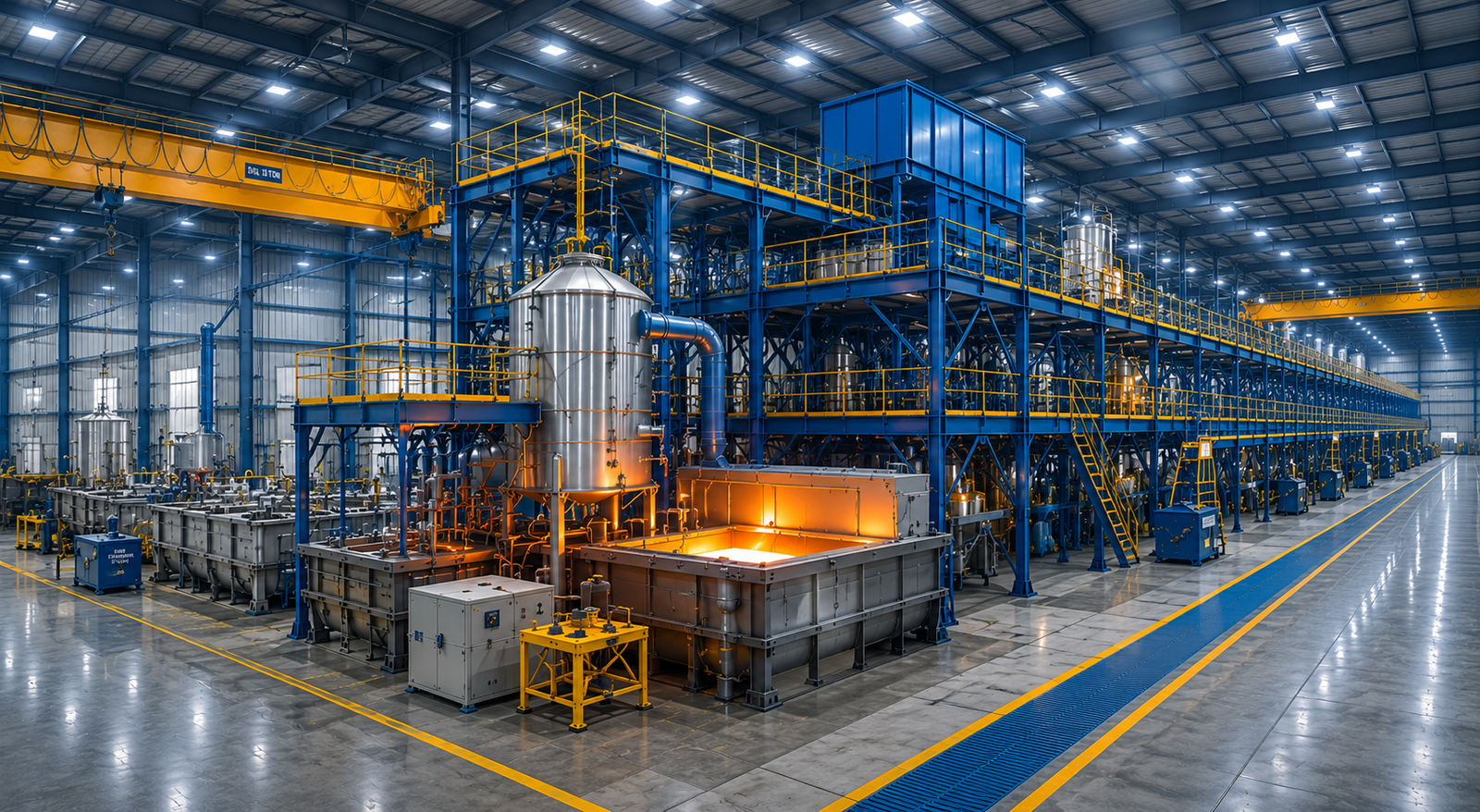
A supervisory control system makes the most sense for plants running higher automation levels or multiple shifts, where manual monitoring of individual panels becomes impractical. It’s relevant across general, tube and pipe, and spin galvanizing plants, though the value scales with how much automated equipment is already in place.
Sizing and Customization
System scope, interface complexity, and data logging depth are chosen based on how many control panels and automated systems need integration, along with whether remote monitoring access is a priority. Systems can also be built with room to expand as additional automation gets added to the plant over time.
Related Products
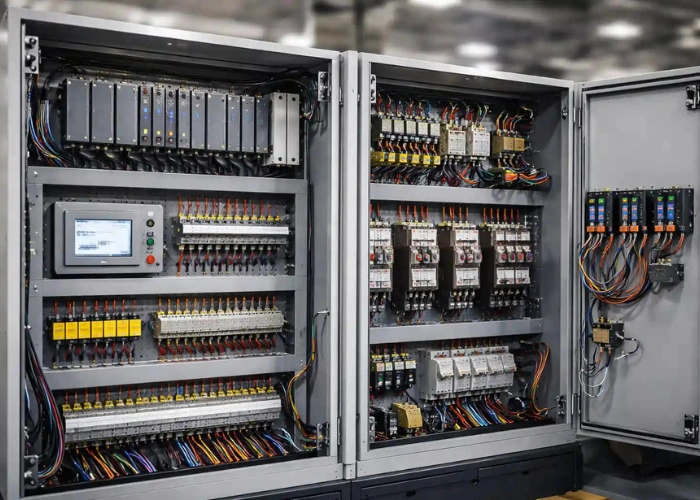
Electrical Control Panels
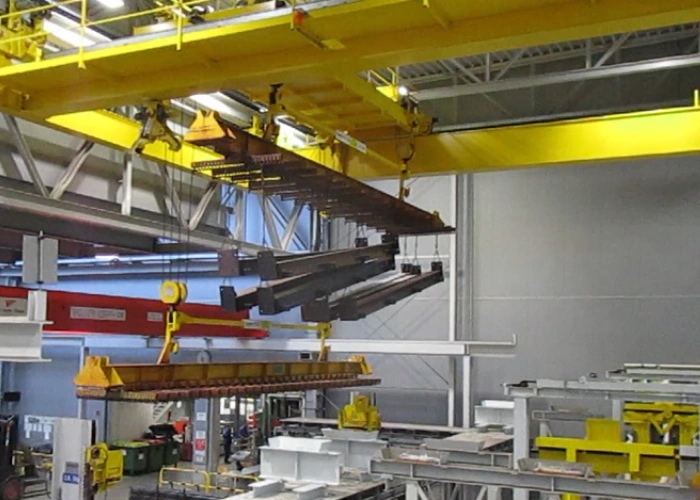
Galvanizing Plant Automation
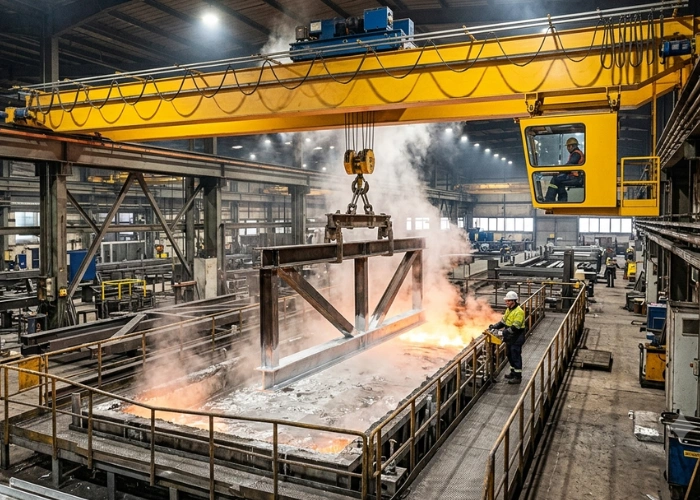
Material Handling Systems (Cranes, Hoists, Conveyors)
Talk to Us About Your Supervisory Control Requirements
If you’re adding centralized monitoring to an existing plant or planning it into a new automation setup, get in touch and we’ll assess your current control panel configuration.
Frequently Asked Questioned!
Do I need a supervisory control system if my plant isn't fully automated?
It can still add value even with partial automation, since it centralizes monitoring for whatever systems are automated, though the benefit scales up as automation level increases.
Can a supervisory system be added to an existing plant later?
Yes, in most cases, as long as the existing control panels can be integrated with the supervisory interface older or non-standard panels may need adapter equipment to connect properly.
What's the difference between a control panel and a supervisory control system?
A control panel manages a specific piece of equipment or process directly, while a supervisory system pulls data from multiple panels into one centralized view for plant-wide monitoring.
Does historical data logging serve a real operational purpose?
Yes. Logged data helps identify recurring issues, track production consistency over time, and troubleshoot problems by reviewing what conditions led up to a fault or quality deviation.