
Material Transfer Trolleys
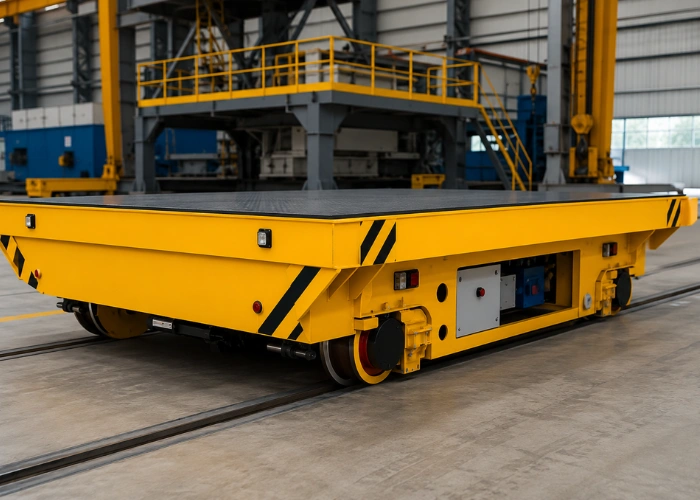
Not every load transition in a galvanizing plant needs a crane or conveyor sometimes moving a batch from one area to another, like from a loading station to the start of the pre-treatment line, is better handled by a material transfer trolley. These are wheeled, often rail-guided carts that move components or loaded jigs across the plant floor between fixed points, filling the gap between stationary equipment and full overhead handling systems.
Key Features & Specifications
- Rail-guided or floor-mounted wheel system for controlled movement between fixed points
- Load capacity sized to component or jig weight
- Manual push, motorized, or fully automatic operation options
- Integration points with loading stations, conveyors, and crane systems
- Braking and locking mechanisms for safe loading and unloading
- Construction suited to repeated heavy-duty industrial use
How It Fits Into the Galvanizing Line
Trolleys typically operate in the gaps between major handling systems moving a loaded jig from the hydraulic loading station to the start of the crane or conveyor path, or transferring finished components from the unloading station toward inspection and dispatch. They’re especially useful in plant layouts where a full crane system would be overkill for short, fixed-route transfers, or where floor space constraints make overhead systems impractical for certain sections of the plant.
Why Work With Us on Transfer Trolley Systems
Trolley routing needs to match your actual plant layout and the specific handoff points between equipment a trolley system planned without accounting for how loading stations, conveyors, and cranes actually connect ends up creating awkward manual transfer points instead of smooth handoffs. We design trolley paths and load capacity around your specific plant flow, so transfers between stages happen smoothly rather than requiring workarounds after installation.
Where This Applies
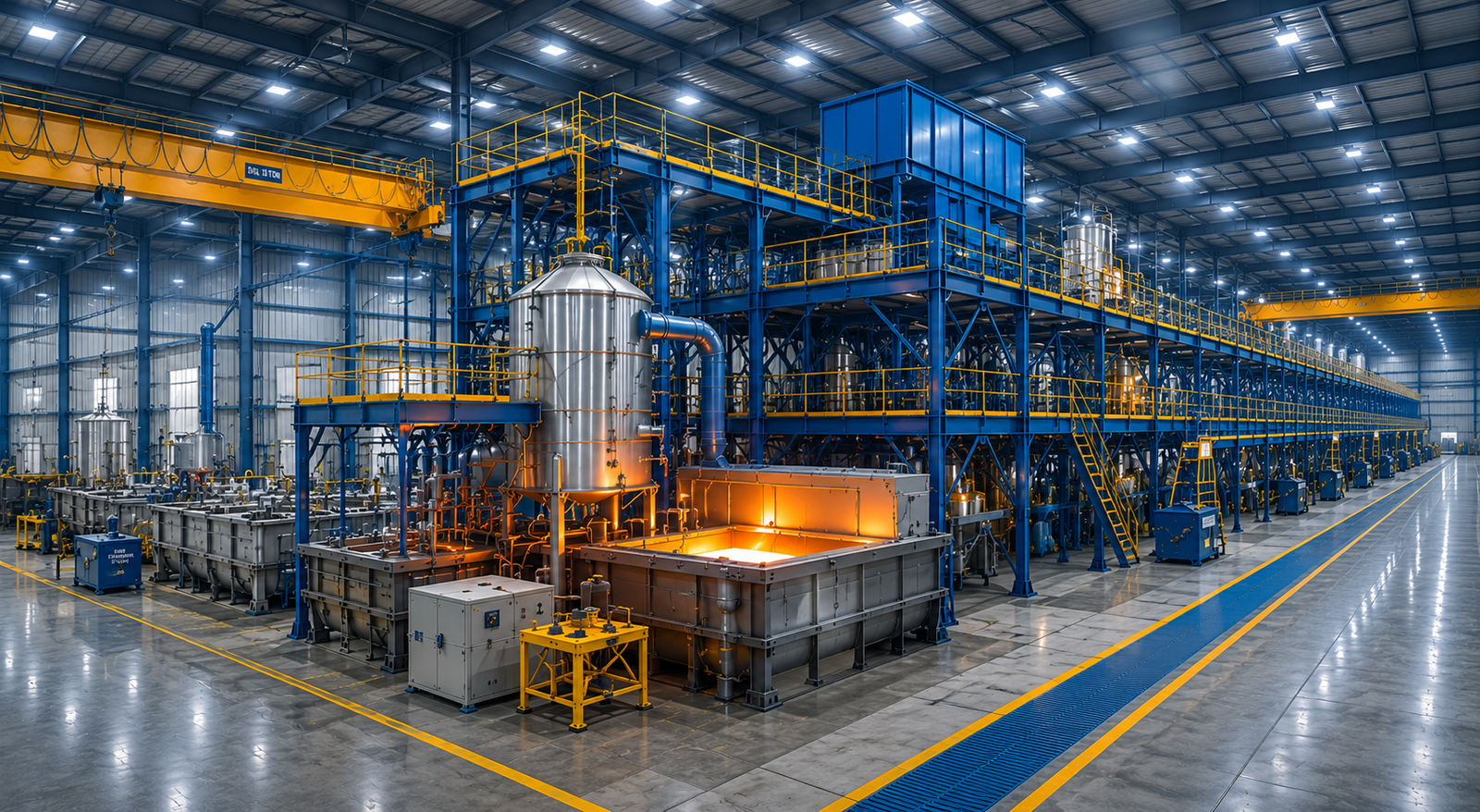
Material transfer trolleys are useful across all plant types wherever there’s a need to move loads between fixed points that don’t justify a full crane or conveyor system this is common in general galvanizing and tube/pipe operations, particularly at the loading and unloading ends of the production line.
Sizing and Customization
Trolley capacity, track layout, and automation level are chosen based on your plant layout, typical load weights, and how frequently transfers happen between stages. Automatic trolleys can also be integrated with supervisory control for coordinated timing with other automated systems.
Related Products
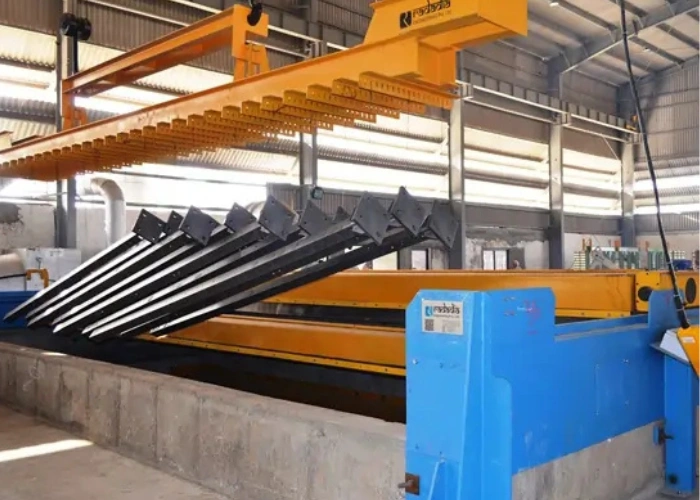
Hydraulic Loading & Unloading Station
Automatic Transfer Trolleys
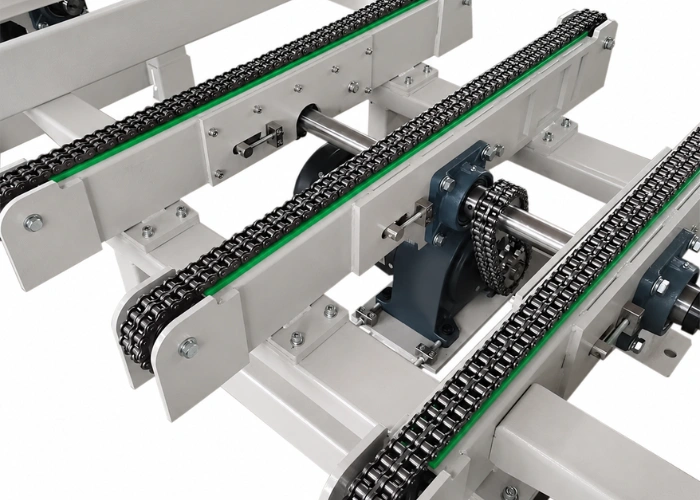
Chain Conveyor System
Talk to Us About Your Transfer Trolley Requirements
If you’re planning material flow for a new plant layout or need to fill gaps between existing handling systems, get in touch and we’ll assess your plant layout and transfer points.
Frequently Asked Questioned!
When does a plant need a trolley instead of a crane or conveyor?
Trolleys make sense for short, fixed-route transfers between stages where a full crane or conveyor system would be unnecessary overhead, particularly at loading and unloading points.
Can trolleys be automated, or are they always manually operated?
Both options exist trolleys can be manually pushed, motorized for easier movement, or fully automated to run on a set path without operator involvement.
Do trolleys need a dedicated track, or can they move freely on the floor?
This depends on the system rail-guided trolleys follow a fixed path for consistent routing, while floor-mounted wheeled versions offer more flexibility but less precision in positioning.
How is trolley load capacity determined?
Capacity is based on the weight of the components or loaded jigs being transferred, with some margin for heavier outlier loads depending on your production mix.