
Encapsulated Pre-Treatment Room
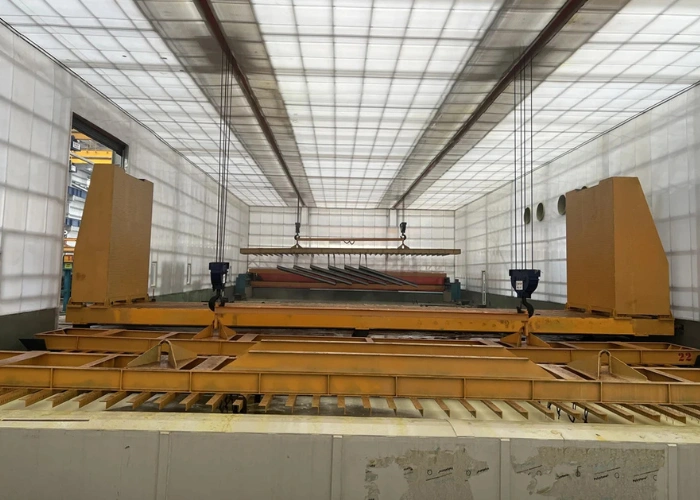
Fumes are produced from the pickling acid tank and flux tanks all the time that they are in operation, and unless they are contained properly, such fumes will get dispersed all around the factory floor, posing not only a danger to the health of the employees but also a non-compliance issue for the company. An enclosed pre-treatment area basically encloses all pickling, rinsing, and flux tanks inside an enclosed system linked to the fume extraction system.
Key Features & Specifications
- Sealed enclosure structure built around the full pre-treatment tank line
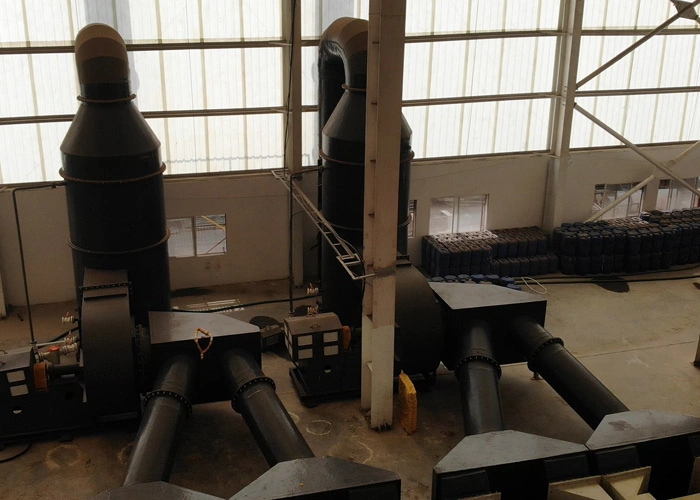
- Integrated ductwork connecting to fume extraction and scrubber systems
- Corrosion-resistant wall and structural material suited to acid fume exposure
- Access points and viewing panels for operator monitoring without full room entry
- Ventilation design that maintains negative pressure to prevent fume escape
- Lighting and safety fittings rated for the corrosive indoor environment
How It Works in the Galvanizing Line
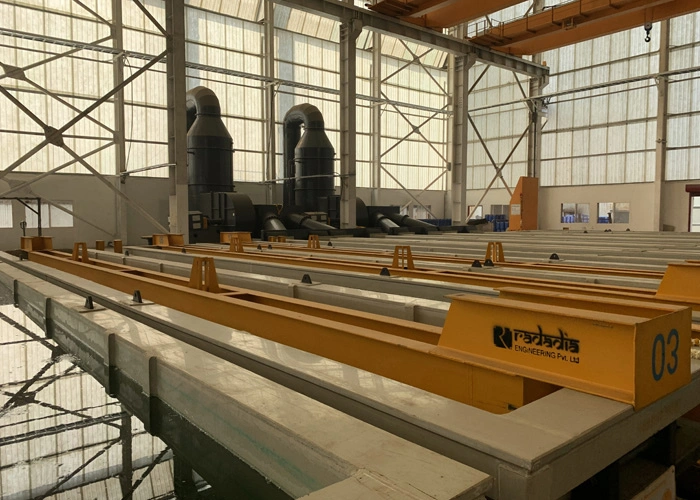
The encapsulated room wraps around the degreasing, pickling, rinsing, and fluxing tanks essentially the entire pre-treatment sequence and connects directly into the plant’s fume extraction ductwork. Air inside the room is continuously drawn out and treated before release, which keeps the enclosure under negative pressure so fumes get pulled inward and extracted rather than escaping through gaps or open access points. Operators typically load and unload components through controlled openings rather than working inside the enclosed space directly.
Why Work With Us on Pre-Treatment Room Design
An enclosure that’s poorly sealed or undersized for the tank line it’s supposed to contain doesn’t actually solve the fume problem it just relocates it. We design the room structure and ventilation capacity around your actual tank layout and fume extraction system, so the enclosure and extraction work together as one system rather than being specified separately and hoping they match up on-site.
Where This Applies
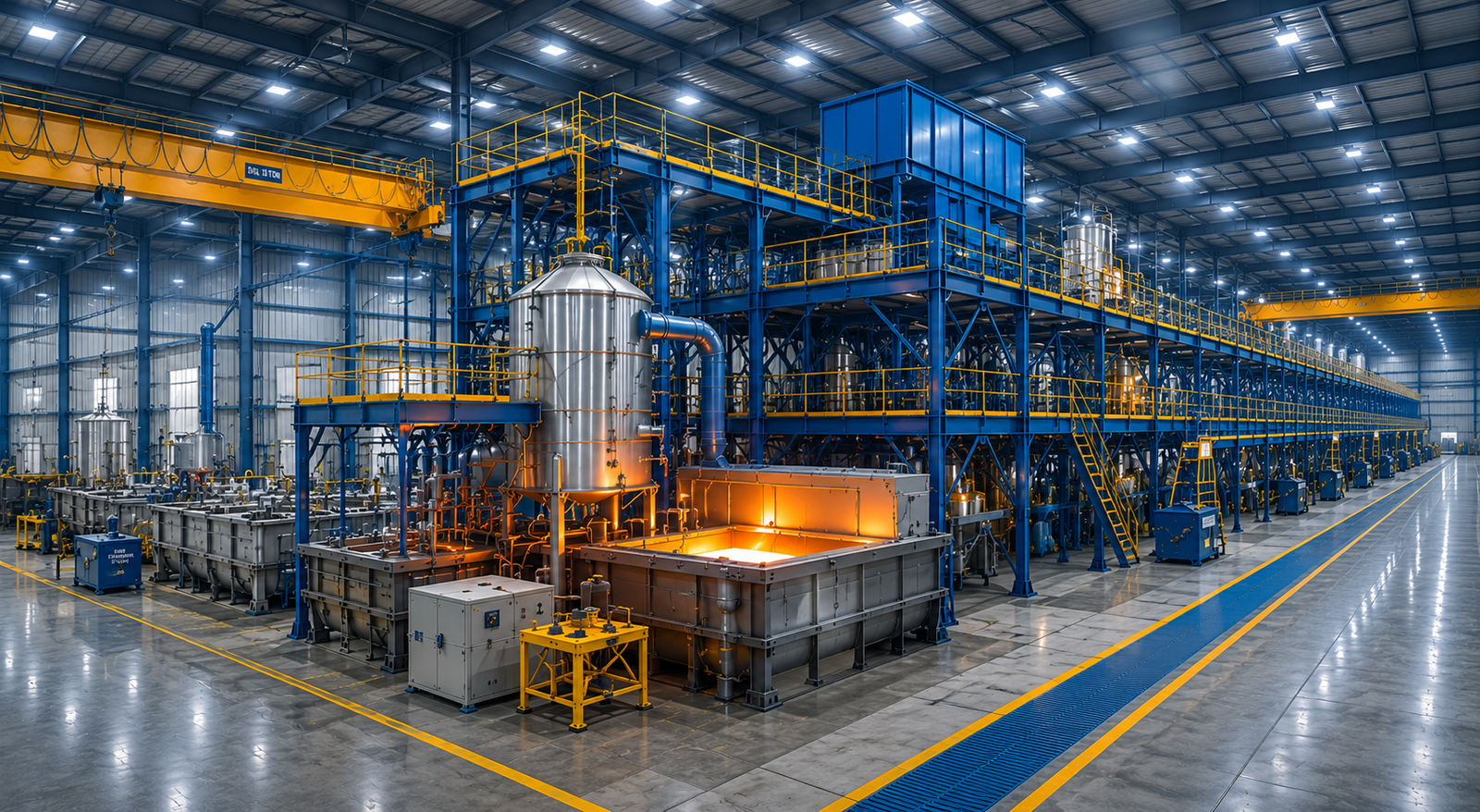
An encapsulated pre-treatment room is relevant for any plant running acid-based pickling general, tube and pipe, and spin galvanizing all involve pickling tanks that benefit from proper enclosure, particularly for plants operating in regions with strict workplace air quality or environmental compliance requirements.
Sizing and Customization
Room dimensions, ductwork sizing, and material selection are based on your tank line layout, the number of tanks being enclosed, and the fume extraction capacity you’re pairing it with. Access point placement is also adjusted based on how your loading and handling system moves components in and out of pre-treatment.
Related Products
Pre-Treatment Tanks
Fume & Environmental Systems
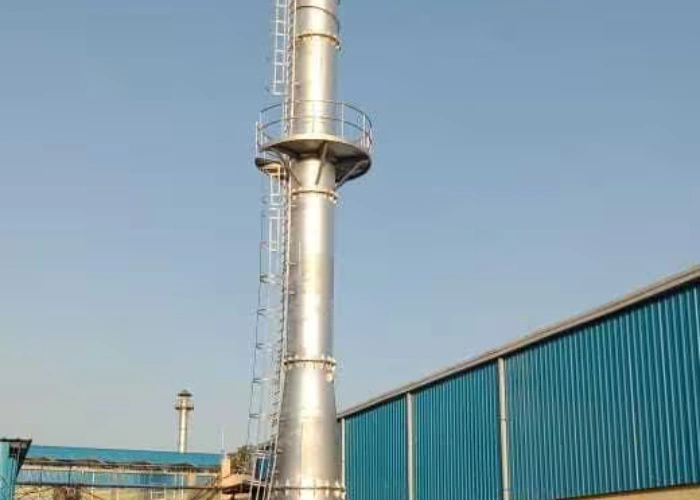
Industrial Chimney for Galvanizing Plants
Talk to Us About Your Pre-Treatment Room Setup
If you’re setting up a new pre-treatment line or addressing fume exposure issues in an existing plant, get in touch and we’ll assess your tank layout and current extraction setup.
Frequently Asked Questioned!
Why not just rely on the fume extraction system without an enclosure?
Without enclosure, extraction systems have to capture fumes spreading across an open area, which is far less efficient than capturing them at the source inside a sealed room designed for negative pressure airflow.
What is negative pressure and why does it matter here?
Negative pressure means air is continuously drawn into the room rather than escaping out of it, which keeps acid fumes contained inside the enclosure until they’re extracted and treated.
Can an existing pre-treatment line be retrofitted with an enclosure?
In many cases, yes, though it depends on available space around the existing tanks and how the current ductwork and extraction system are set up.
What materials are used for the enclosure given the corrosive environment?
Corrosion-resistant materials rated for acid fume exposure are used for walls, structural framing, and fittings, since standard construction materials degrade quickly in this environment.