
Chain Conveyor System
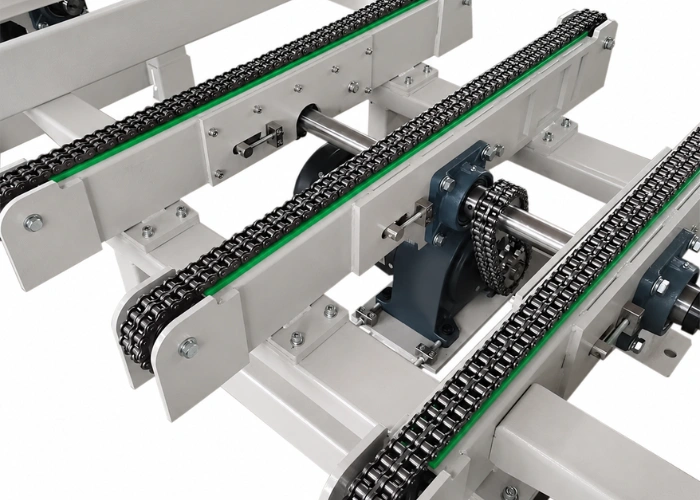
Not every galvanizing plant relies on cranes for moving loads for plants processing smaller, more uniform components in higher volumes, a chain conveyor system offers a continuous, automated way to move parts through pre-treatment stages without individual crane cycles for each load. Components ride along a chain-driven track at a controlled pace, passing through tanks and stages in sequence rather than being picked up and set down repeatedly.
Key Features & Specifications
- Chain-driven track for continuous component movement
- Speed control matched to required dwell time at each processing stage
- Load capacity sized to component weight and conveyor chain rating
- Corrosion-resistant construction suited to pre-treatment tank exposure
- Integration points for transferring loads to kettle handling systems
- Automated or semi-automated operation with minimal manual intervention
How It Works in the Galvanizing Line
Components load onto the conveyor at the start of the pre-treatment sequence and move continuously through degreasing, pickling, rinsing, and fluxing stages at a set speed, with dwell time at each stage built into the conveyor’s pacing rather than requiring a crane to lift and set down loads individually. Near the kettle, components typically transfer off the conveyor onto a crane, jig, or basket system for the actual dipping process, since conveyor systems are generally better suited to the pre-treatment sequence than the kettle stage itself.
Why Work With Us on Chain Conveyor Systems
Conveyor speed has to match your required dwell time at each pre-treatment stage precisely too fast, and components don’t spend enough time in pickling or fluxing tanks for proper surface preparation; too slow, and the conveyor becomes the bottleneck limiting overall plant throughput. We calibrate conveyor speed and tank dwell time around your specific pre-treatment chemistry and component requirements, so the automated pace actually matches what your process needs rather than running on a generic speed setting.
Where This Applies
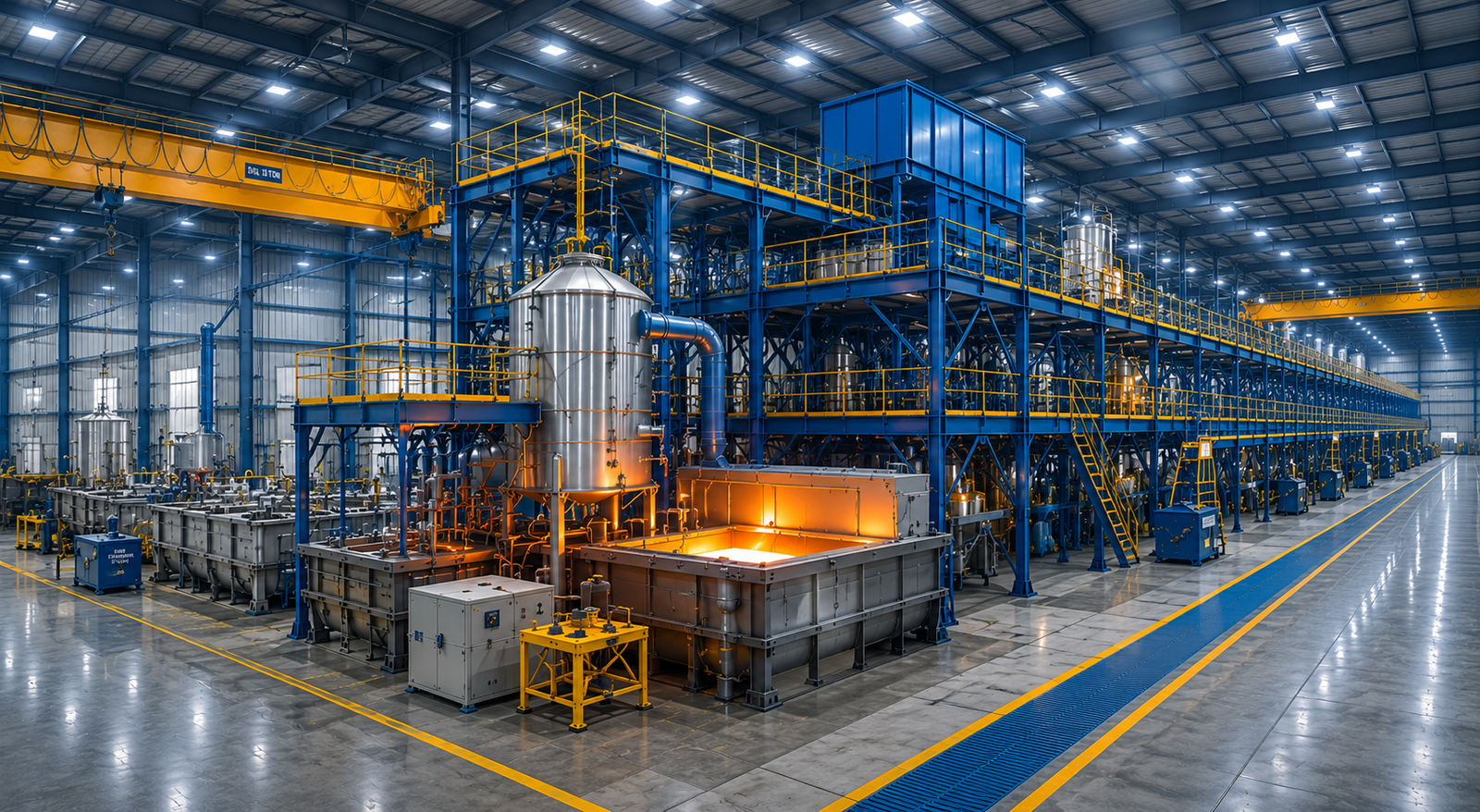
Chain conveyor systems suit plants running higher volumes of more uniform, smaller-to-medium components, where continuous automated movement through pre-treatment offers a real efficiency gain over crane-based handling for each individual load. They’re less common in plants processing highly varied or oversized structural components, where crane flexibility matters more than continuous automation.
Sizing and Customization
Conveyor speed, chain rating, and track layout are chosen based on your pre-treatment tank sequence, required dwell times, and component weight range. Transfer points to kettle handling systems are also designed around your specific plant layout.
Related Products
Pre-Treatment Tanks
Automatic Transfer Trolleys
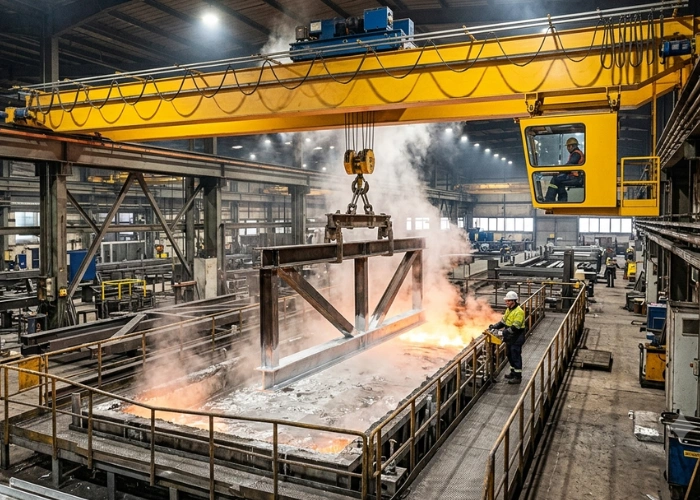
EOT Cranes & Hoists
Talk to Us About Your Conveyor System Requirements
If you’re evaluating conveyor-based handling for a new pre-treatment line, or looking to reduce manual crane cycles for high-volume production, get in touch and we’ll assess your component range and required dwell times.
Frequently Asked Questioned!
Is a chain conveyor system better than crane handling?
It depends on your production profile conveyors work well for high-volume, uniform components moving through pre-treatment, while cranes offer more flexibility for varied or oversized loads, particularly at the kettle stage.
Can a conveyor system handle the actual dipping process?
Generally, no. Conveyors are typically used for the pre-treatment sequence, with components transferring to a crane, jig, or basket system for the kettle stage itself.
What happens if conveyor speed doesn't match tank dwell time requirements?
Components either don’t get enough exposure time in tanks for proper surface preparation, or the conveyor runs slower than necessary or becomes a bottleneck limiting plant throughput.
Are chain conveyors suitable for spin galvanizing plants?
They can be, particularly for moving components toward the basket-loading stage, though the actual dipping and spinning process relies on separate basket-handling equipment.