
Automatic Crane System
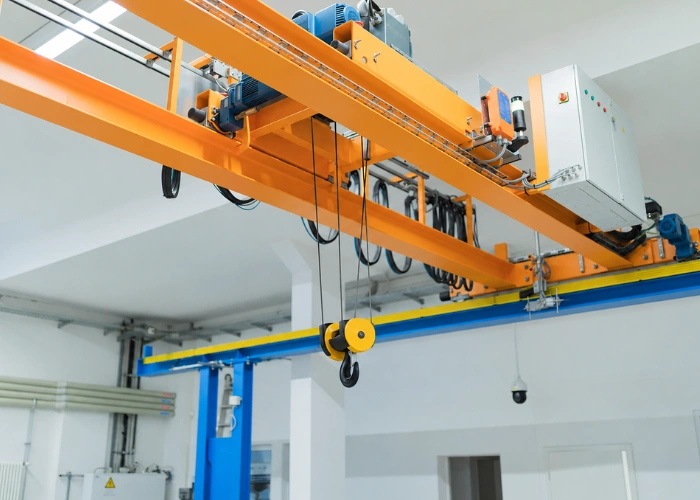
An automatic crane system runs on a programmed sequence, moving loads through pre-treatment, the kettle, and quenching without an operator manually triggering each movement. Unlike a monorail’s fixed track or a manually operated EOT crane, automatic systems typically combine crane movement, dip timing, and tank sequencing into one coordinated cycle, cutting down on the timing variation that comes with manual operation while still retaining more flexibility than a fixed-route monorail.
Key Features & Specifications
- Programmable control sequence for load movement and dip timing
- Position sensors and feedback systems for accurate tank and kettle alignment
- Integration with plant supervisory control for centralized monitoring
- Adjustable cycle programs for handling different component types or batch sequences
- Safety interlocks to halt operation on fault detection or obstruction
- Manual override capability for exceptions or maintenance situations
How It Works in the Galvanizing Line
Once the cycle is programmed, the automated crane lifts the load, places it inside each pre-treatment tank for a predetermined time period, dips it in the kettle for a particular time span, and subsequently quenches it – all without the intervention of any human operator who controls each action separately. The alignment of the crane in each of these steps is maintained by position sensors, and normally the data related to each process is relayed to the supervisory control interface.
Why Work With Us on Automatic Crane Systems
An automatic system is only as good as the sequence it’s programmed to run, and that sequence needs to reflect your actual tank layout, dip requirements, and component variety not a generic cycle adapted after installation. We program cycle sequences around your specific plant layout and production mix, including how the system should handle variation if you’re running different component types across shifts, so automation actually improves consistency instead of forcing every load through an identical cycle regardless of fit.
Where This Applies
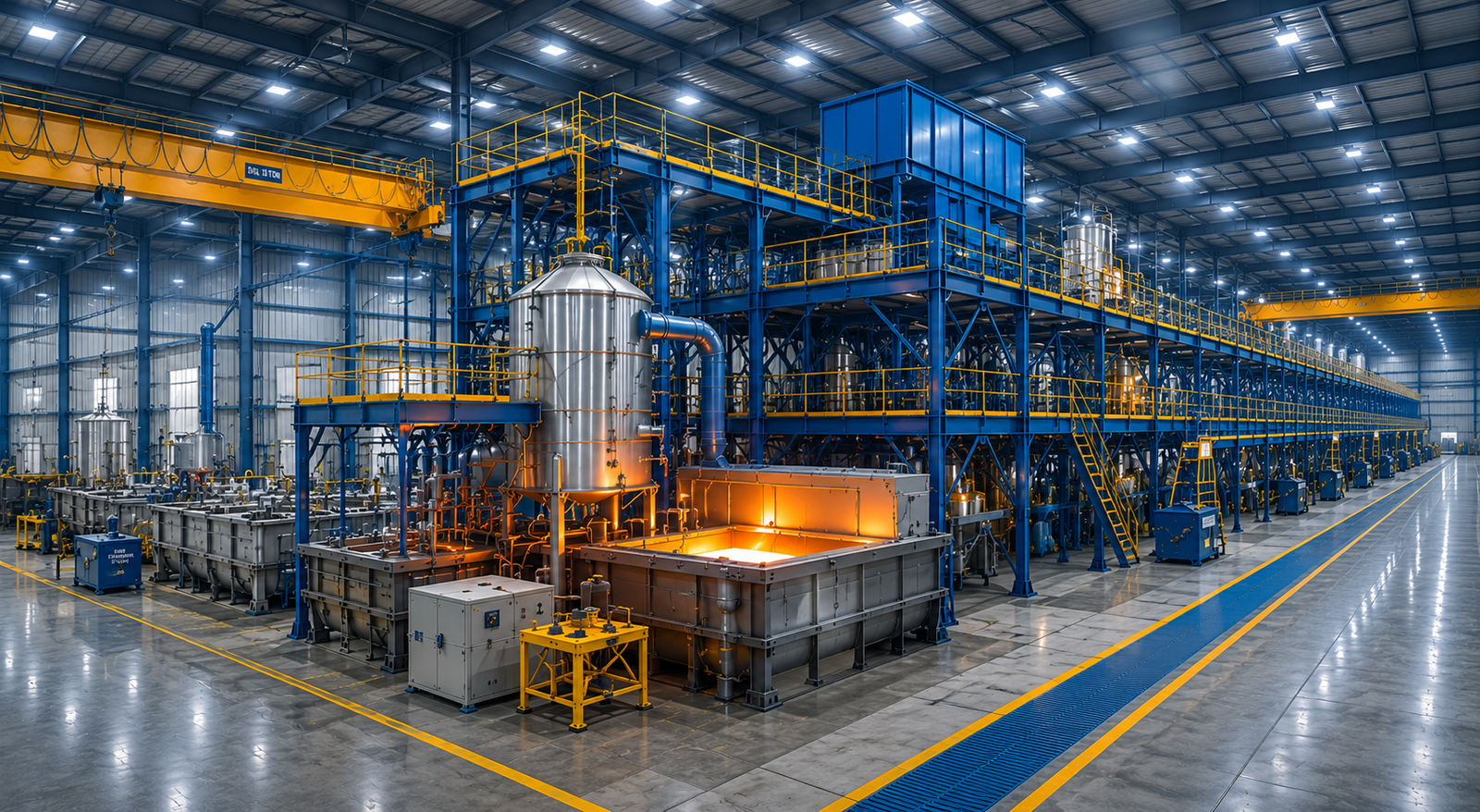
Automatic crane systems suit higher-volume plants or those running multiple shifts, where consistent timing across hundreds of cycles has a real impact on coating quality and output. They’re relevant across general, tube and pipe, and spin galvanizing operations, particularly where production volume justifies the added investment over manual or semi-automatic handling.
Sizing and Customization
Cycle programming, sensor placement, and override configuration are built around your plant layout, component range, and how much variation exists in your typical production mix. Systems can also be configured with multiple pre-set cycles if you’re regularly switching between different product types or component sizes.
Related Products
EOT Cranes & Hoists
Galvanizing Plant Automation
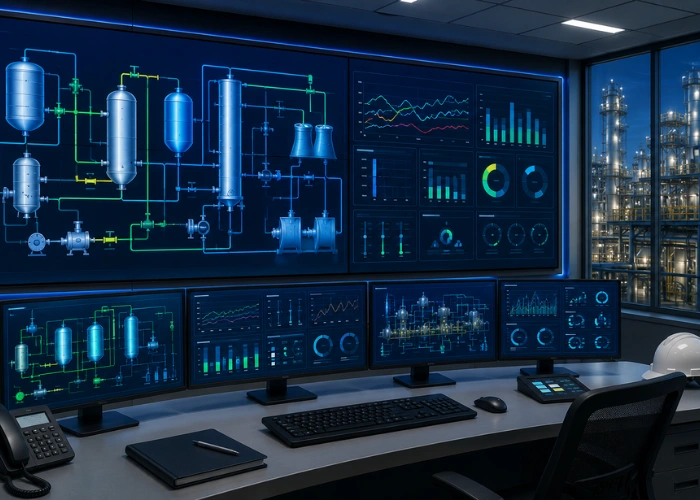
Plant Supervisory Control System
Talk to Us About Your Automatic Crane Requirements
If you’re evaluating automation for crane operations in a new or existing plant, get in touch and we’ll assess your production volume and component variety to recommend the right cycle setup.
Frequently Asked Questioned!
Can an automatic crane system handle different component types without reprogramming each time?
Yes, if it’s set up with multiple pre-programmed cycles for different component types or sizes, allowing operators to select the right sequence rather than reprogramming from scratch.
What happens if a fault occurs during an automated cycle?
Safety interlocks are designed to halt the system on fault detection, and manual override capability allows an operator to intervene and resolve the issue before resuming the cycle.
Is an automatic crane system worth it for a lower-volume plant?
It depends on your specific production needs the consistency benefits scale with volume, so lower-volume operations may find a semi-automatic or manual system more cost-effective.
Does an automatic crane system need a supervisory control system as well?
It’s not strictly required, but pairing the two gives operators centralized visibility into crane status alongside other plant systems, which is useful for higher-automation plants.