
Tube & Pipe Galvanizing System
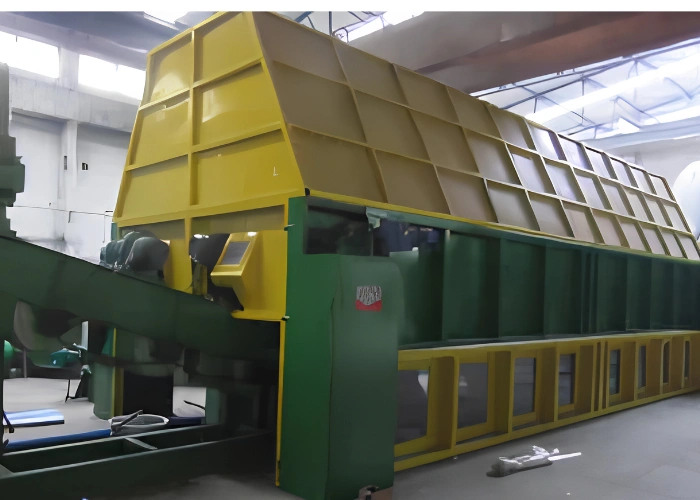
The tube and pipe galvanizing process is tailored to meet the requirements of elongated cylindrical goods, which include pipes and hollow sections. This galvanizing differs from general galvanization in that the latter processes flat or angled structural steels, while the former requires a specialized technique that guarantees an even coating of zinc inside and outside the pipe and tube. This requires specific tank configurations, dipping angles, and draining setups that a standard structural galvanizing line isn’t built for.
Key Features & Specifications
- Kettle length sized for standard and custom pipe/tube lengths
- Angled or vertical dipping arrangement to allow zinc flow through the bore
- Pre-treatment tanks configured for internal and external surface cleaning
- Draining and centrifuging options to prevent zinc pooling inside tubes
- Jig or rack systems designed for pipe diameter and wall thickness variation
- Quenching setup that accounts for both inner and outer coating cool-down
How It Works in the Galvanizing Line
The process of pipes and tubes follows the same process flow as galvanization in general, namely degreasing, pickling, and fluxing, although the pre-treatment tanks and jig arrangements are designed in such a way that the cleaning and fluxing solutions penetrate inside the bore rather than only the outside. In the dipping process, the angle and rate of entry become much more significant than in the case of galvanization of flat steel sheets, as the entrapped air within the tubular section may result in bare patches.
Why Choose Us for Your Tube & Pipe Galvanizing System
Pipe and tube galvanizing has failure points that don’t show up in flat-steel work internal coating gaps, zinc pooling, and uneven wall thickness coverage are common issues when a system is adapted from general galvanizing equipment instead of built for tubes specifically. We size kettle length, dipping angle, and draining systems around your actual pipe diameter range and wall thickness, so internal and external coating comes out consistent across every batch, not just the pieces that happen to sit right in the kettle.
Applications & Industries Served
Galvanized tube and pipe manufacturing is used by pipe manufacturers, scaffolding and structural tubes manufacturers, agricultural machinery companies (irrigation pipes and fencing tubes), and manufacturers of construction materials who manufacture conduits, handrail tubes, and hollow structural sections. This is important for export-oriented galvanized pipe manufacturing companies as well.
Customization Options
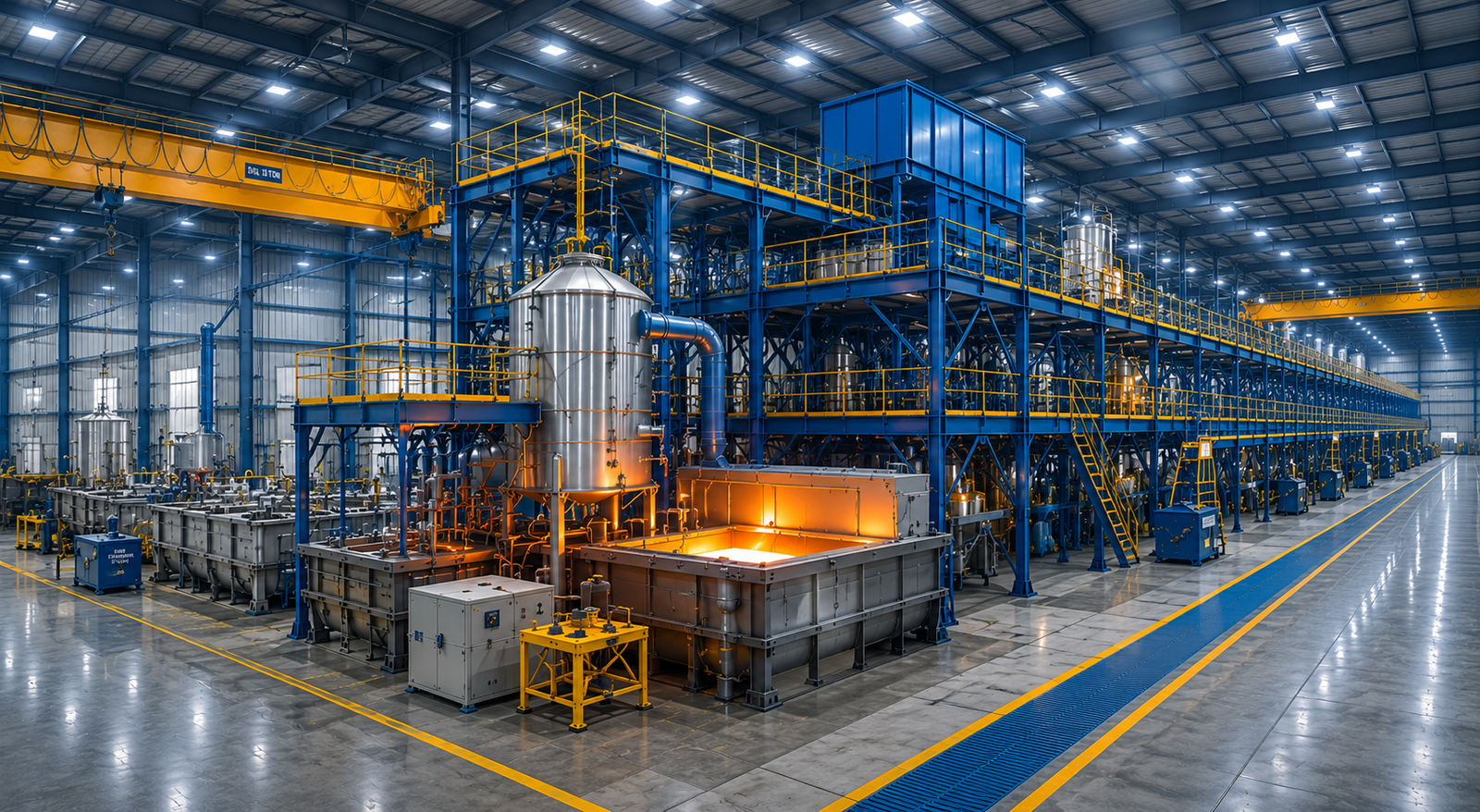
Kettle length, dipping angle, jig/rack configuration, and draining setup can all be adjusted based on your pipe diameter range, wall thickness, and daily output targets. Systems can also be built to handle a mix of pipe sizes if your production isn’t limited to one standard diameter.
Related Products
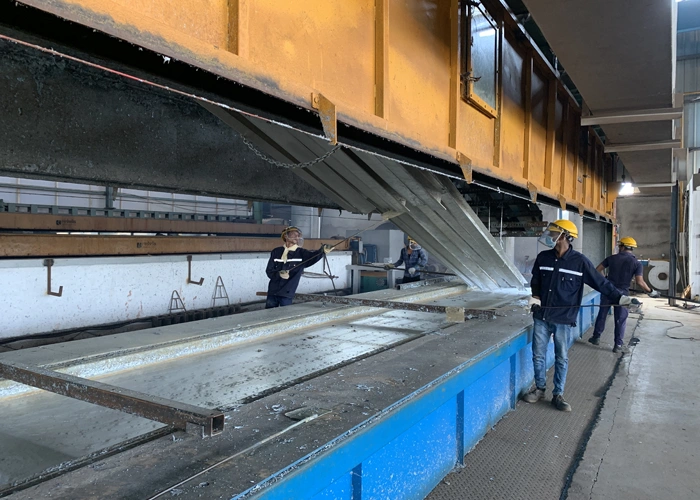
General Galvanizing Plant
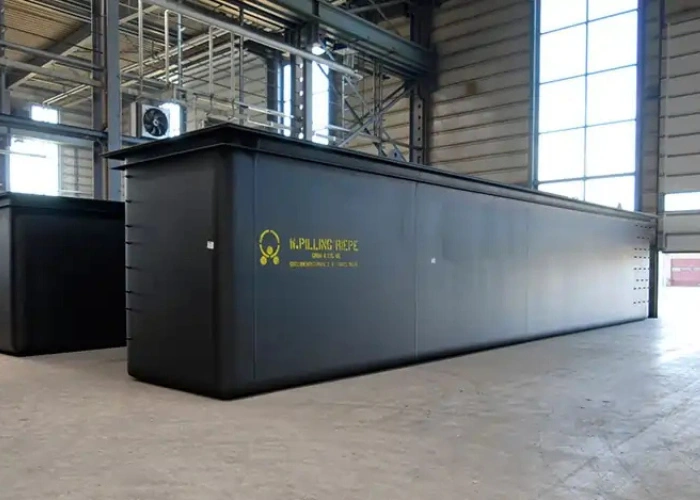
Zinc Kettle
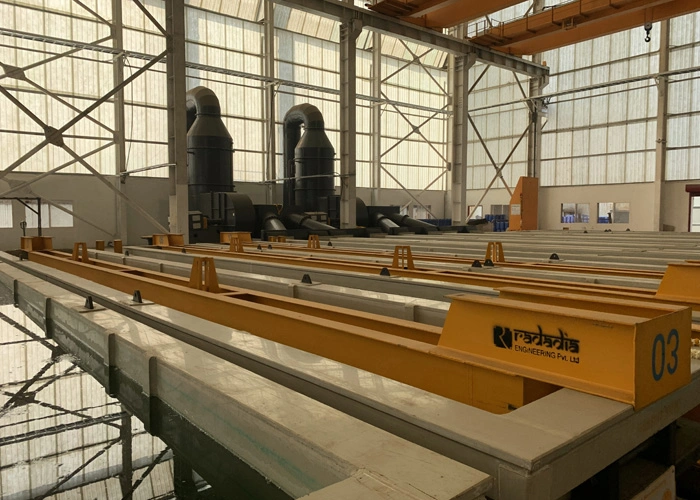
Pre-Treatment Tanks
Get a Tube & Pipe Galvanizing System Quote
Frequently Asked Questioned!
Why does pipe galvanizing need a different system than structural steel?
Pipes and tubes are hollow, so the internal bore needs even zinc coating along with the outer surface. This requires specific dipping angles, draining systems, and pre-treatment tank configurations that flat structural steel doesn’t need.
How is excess zinc removed from inside a pipe after dipping?
Draining or centrifuging systems remove excess zinc from inside the pipe before it moves to quenching, preventing build-up that could reduce the internal diameter or clog smaller pipes.
Can one system handle multiple pipe diameters?
Yes. Jig and rack configurations can be built to accommodate a range of pipe diameters and wall thicknesses, depending on your production mix.
What industries typically need tube and pipe galvanizing?
Pipe manufacturers, scaffolding and structural tube fabricators, agricultural equipment producers, and construction material suppliers are the most common users of dedicated tube and pipe galvanizing systems.