
Plant Upgrading & Zinc Kettle Replacement
Plants don’t stay the same forever production volumes grow, product mixes change, and equipment eventually reaches the end of its usable life regardless of how well it’s maintained. Plant upgrading and zinc kettle replacement covers both scenarios: modernizing an existing plant with better automation or expanded capacity, and replacing a kettle that’s reached the point where repair no longer makes sense compared to replacement.
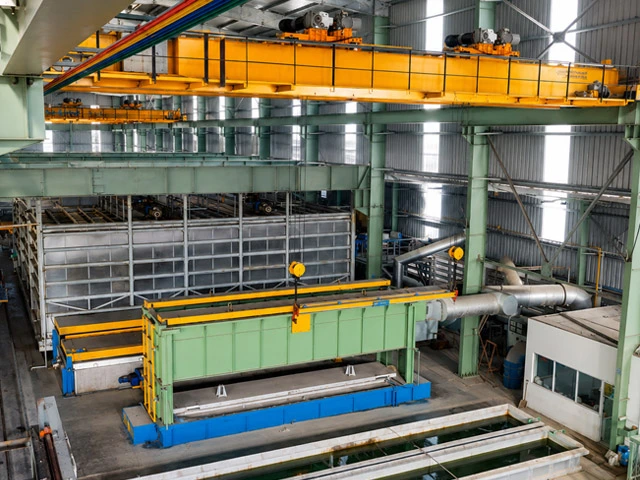
What This Service Covers
- Kettle replacement when wear, leaks, or structural fatigue make repair impractical
- Automation upgrades for plants originally built with manual or semi-automatic systems
- Capacity expansion larger kettles, additional tanks, upgraded material handling
- Control system modernization for plants running outdated panels or supervisory setups
- Fume extraction and environmental system upgrades to meet updated compliance standards
- Phased upgrade planning to minimize production downtime during the transition
How It Fits Into Plant Operations
If a kettle is approaching the end of its useful life, then signs of such an approach will be noticeable much earlier: the thinning of the walls of the kettle, the leakage of the kettle or its frequent repair. Automation and capacity expansions happen for other reasons: the volume of production or diversification of production has increased after the construction of the plant, and existing equipment cannot meet the new requirements of the enterprise. In both cases, planning of the changeover of the equipment would be useful because the process stops production.
Why Work With Us for Upgrades
We look at upgrades the same way we approach new plant design starting with what your current production actually needs, not just replacing what’s there with something similar. For kettle replacement, that means evaluating whether current dimensions still match your component range or whether it’s worth resizing during the changeover. For automation upgrades, we assess what’s actually causing bottlenecks in your current setup rather than adding automation broadly across the whole line.
Who This Service Is For
This is relevant for plant owners noticing signs of kettle wear, those whose production volume or product mix has outgrown the original plant design, and operations still running largely manual systems that want to reduce labor dependency or improve consistency through automation.
What You Get
Upgrade projects typically start with an assessment of current equipment condition and production goals, followed by a recommendation on scope whether that’s a straightforward kettle replacement or a broader automation and capacity upgrade along with a phased plan to minimize disruption to ongoing production.
Related Services
- AMC & After-Sales Support
- Complete Plant Design & Layout
- Installation & Commissioning
Talk to Us About Upgrading Your Plant
If your kettle is showing signs of wear or your current plant setup isn’t keeping pace with production demands, get in touch and we’ll assess your equipment and recommend the right scope of upgrade.
Frequently Asked Questioned!
How do I know if my kettle needs replacement instead of repair?
Signs like increasing wall thinness, recurring leaks, or repairs becoming more frequent and costly usually indicate replacement is more practical than continued repair.
Can automation be added to an older plant that was originally built manual?
In most cases, yes, though it depends on the current layout and equipment condition some retrofits are straightforward, while others require more extensive modification.
How much downtime does a kettle replacement typically involve?
This depends on plant layout and how the changeover is planned, but phased planning helps minimize the disruption compared to an unplanned kettle failure.
This depends on plant layout and how the changeover is planned, but phased planning helps minimize the disruption compared to an unplanned kettle failure.
Is a full plant upgrade always necessary, or can upgrades be done in stages?
Upgrades can often be phased addressing the most pressing bottleneck first, such as kettle replacement or crane automation, before tackling other areas over time.