
Monorail Crane System
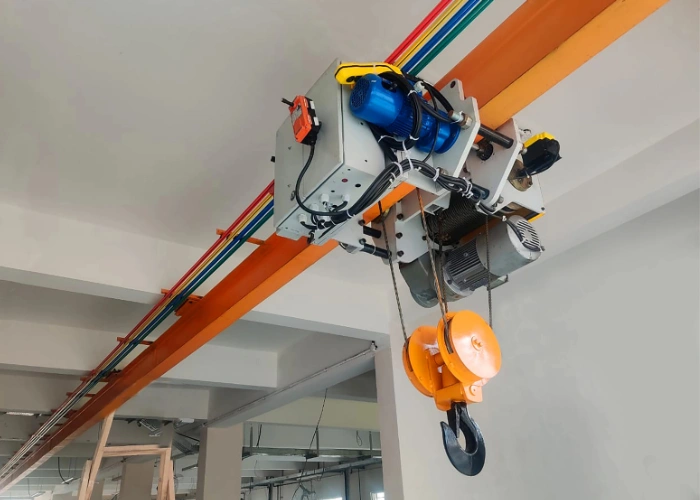
Not every galvanizing plant needs a full EOT crane setup for plants with a fixed, repetitive production path, a monorail crane system offers a simpler alternative. Instead of a crane that moves freely across a wide floor area, a monorail runs along a fixed overhead track, carrying loads along a predetermined route through pre-treatment, the kettle, and quenching. It’s a more constrained system by design, but that constraint often works in its favor for plants with a consistent, linear production flow.
Key Features & Specifications
- Fixed overhead track laid out along the plant's production sequence
- Trolley-mounted hoist for lifting and transferring loads along the rail
- Load capacity sized to component weight range
- Track routing designed around tank, kettle, and quench positioning
- Manual or motorized trolley movement options
- Construction suited to plant heat and fume exposure conditions
How It Works in the Galvanizing Line
The monorail track is laid out to follow the exact sequence a load needs to move through pre-treatment tanks, kettle, then quench and passivation with the trolley and hoist carrying components along that fixed path. Because the route doesn’t change, cycle timing tends to be more predictable than with a freely maneuvering crane, which can be an advantage for plants running a consistent product line without much variation in component size or handling sequence.
Why Work With Us on Monorail System Design
The track layout has to match your plant’s actual tank and kettle positioning exactly, since a monorail doesn’t have the flexibility to reroute around a poorly planned layout the way an EOT crane can. We design the track path around your specific plant layout and production sequence from the start, so the fixed route actually matches how components need to move rather than forcing a workaround after installation.
Where This Applies
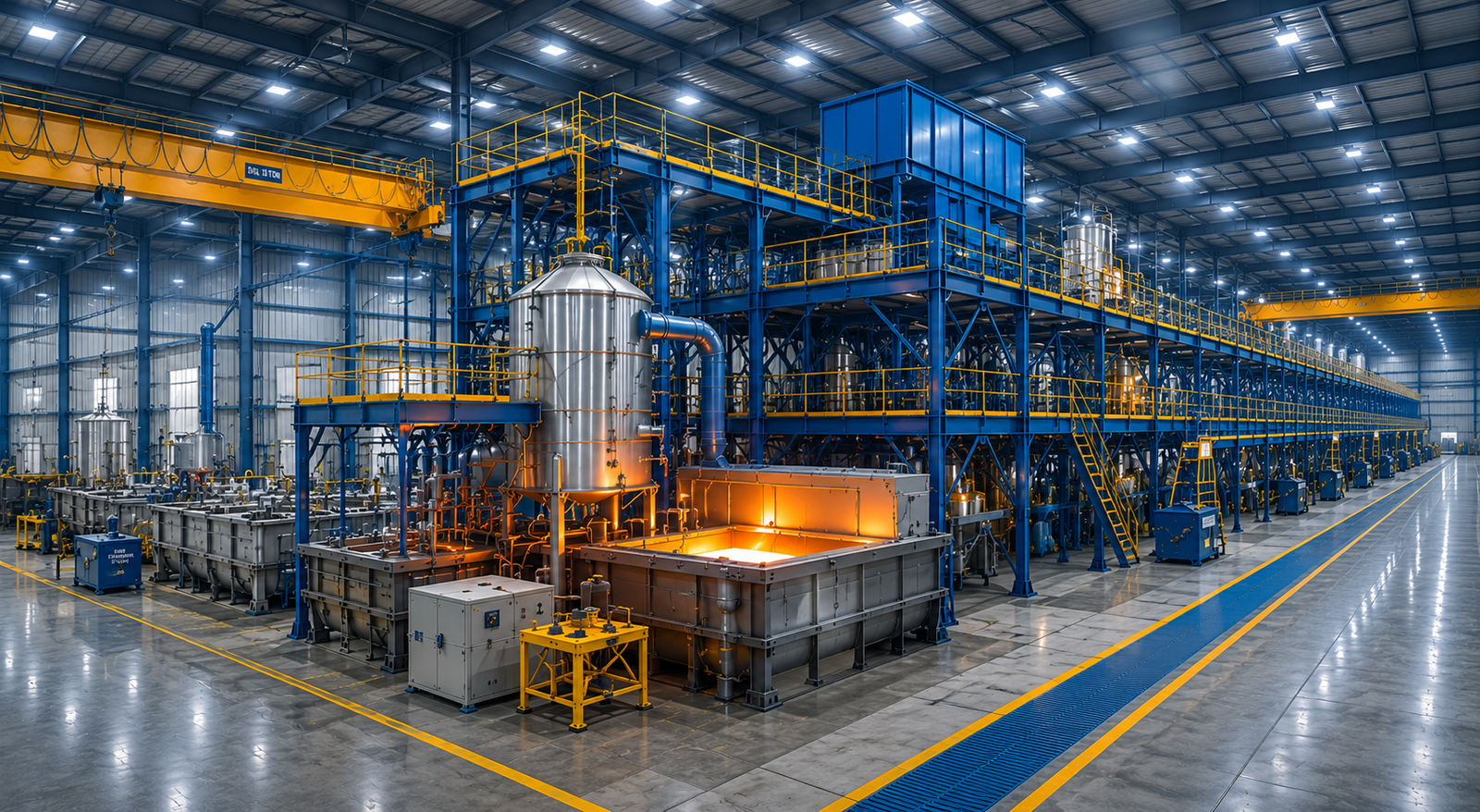
Monorail systems suit plants with a consistent, linear production flow and less variation in component size general galvanizing operations running a fairly standardized product range are common users, as are plants where floor space or budget makes a full EOT crane system less practical.
Sizing and Customization
Track length, load capacity, and trolley speed are chosen based on your plant layout and component weight range. Motorized trolleys can be added for plants running higher cycle frequency, while manual trolleys may suit lower-volume operations where the added automation isn’t cost-justified.
Related Products
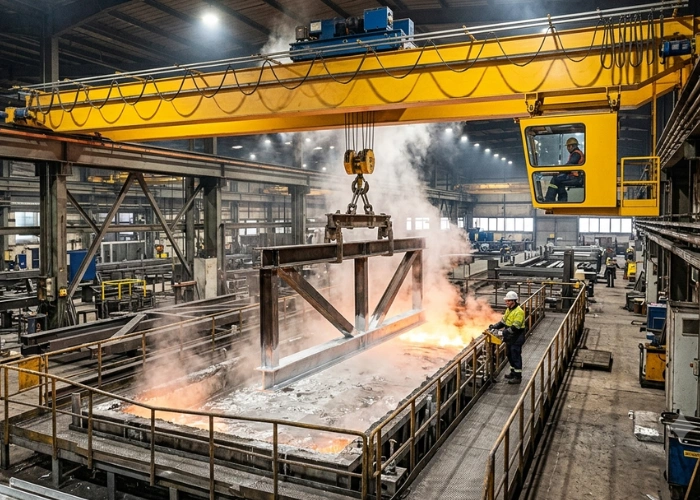
EOT Cranes & Hoists
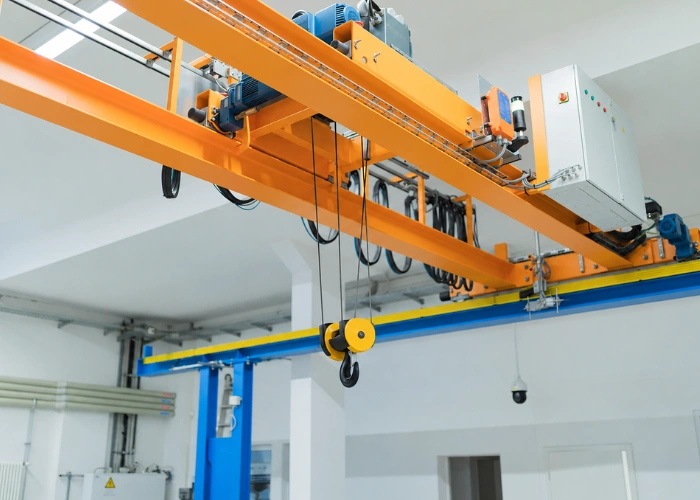
Automatic Crane System
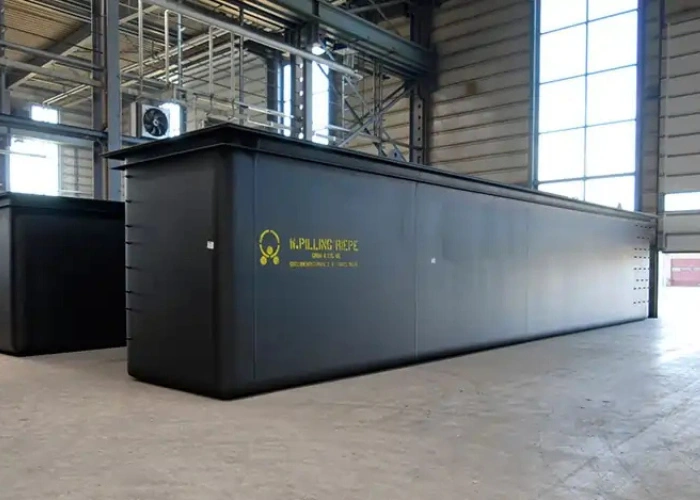
Zinc Kettle
Talk to Us About Your Monorail System Requirements
If you’re evaluating monorail versus EOT crane options for a new plant, get in touch and we’ll assess your layout and production flow to recommend the right fit.
Frequently Asked Questioned!
Is a monorail system cheaper than an EOT crane?
Generally, yes, since it involves a simpler track and trolley setup rather than a crane capable of moving freely across a wide floor area, though the right choice depends on your layout and flexibility needs.
Can a monorail system handle different component sizes?
Within its rated load capacity, yes, but it’s less adaptable than an EOT crane if your production involves significant variation in component size or handling requirements.
What happens if the plant layout changes after a monorail is installed?
Since the track is fixed, layout changes typically require modifying or extending the track path, which is more involved than adjusting an EOT crane’s operating area.
Is a monorail system suitable for spin galvanizing plants?
It’s less common there, since spin galvanizing typically relies on basket handling rather than crane-based load transfer, but it can still apply for moving baskets or auxiliary materials in some layouts.