
Industrial Chimney for Galvanizing Plants
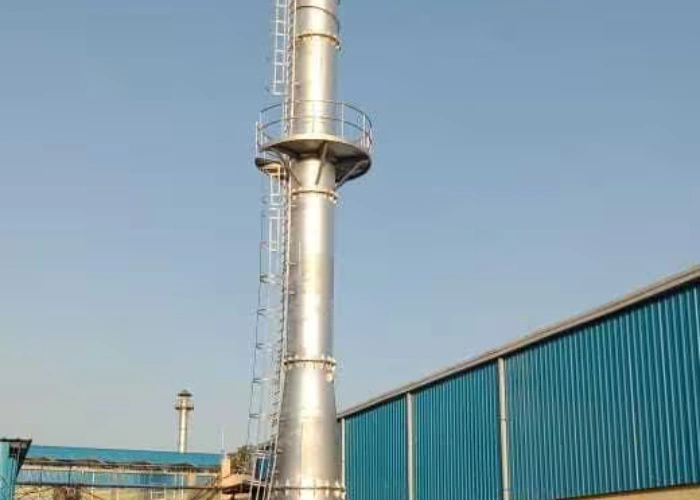
After acid and zinc fumes pass through extraction and scrubber systems, the treated air still needs to be released somewhere and that’s not something you can just vent out a side wall. An industrial chimney releases treated emissions at a height and dispersion rate that meets environmental compliance standards, making sure exhaust doesn’t settle back around the plant or affect nearby areas. It’s the final piece of the fume management system, working right after extraction and scrubbing rather than as a standalone unit.
Key Features & Specifications
- Height calculated based on emission volume and local environmental regulations
- Corrosion-resistant material suited to treated exhaust exposure
- Diameter sized to maintain proper exhaust velocity for effective dispersion
- Integration point connecting to scrubber and extraction ductwork
- Structural design accounting for wind load and site-specific conditions
- Emission monitoring port access where required by compliance standards
How It Fits Into the Galvanizing Line
Once acid fumes pass through the scrubber system and zinc fumes are captured from the kettle enclosure, both streams typically route into the chimney for final release. Chimney height and exhaust velocity work together here too short, and emissions don’t disperse properly before settling back near ground level; too narrow a diameter, and exhaust velocity drops, which also affects how well fumes disperse into the atmosphere rather than lingering close to the plant.
Why Work With Us on Chimney Specification
Chimney height isn’t a number you can guess or copy from another plant it depends on your actual emission volume, local terrain, and the specific environmental standards that apply to your site. We calculate height and diameter based on your extraction system’s output and site conditions, so the chimney is properly matched to what’s actually being released, not sized to a generic industrial standard that may not meet your local compliance requirements.
Where This Applies
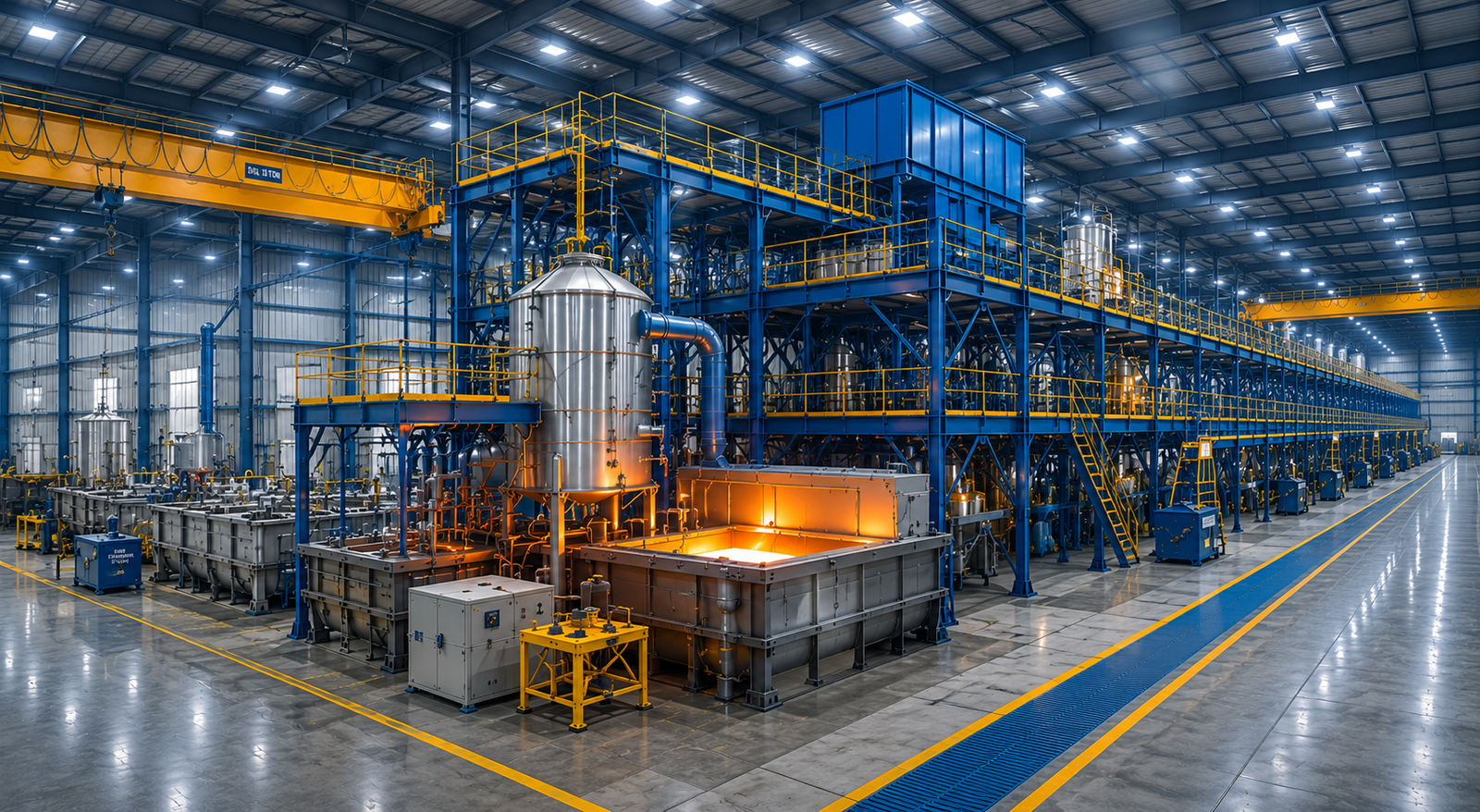
An industrial chimney is necessary for any galvanizing plant with acid or zinc fume extraction general, tube and pipe, and spin galvanizing plants all need proper emission release, particularly if the facility operates under state pollution control board requirements or similar environmental oversight.
Sizing and Customization
Chimney height, diameter, and material are determined based on your total extraction volume, local emission regulations, and site-specific factors like nearby structures or terrain that could affect dispersion. Monitoring port placement can also be included if your compliance framework requires periodic emission testing.
Related Products
Fume & Environmental Systems
Encapsulated Pre-Treatment Room
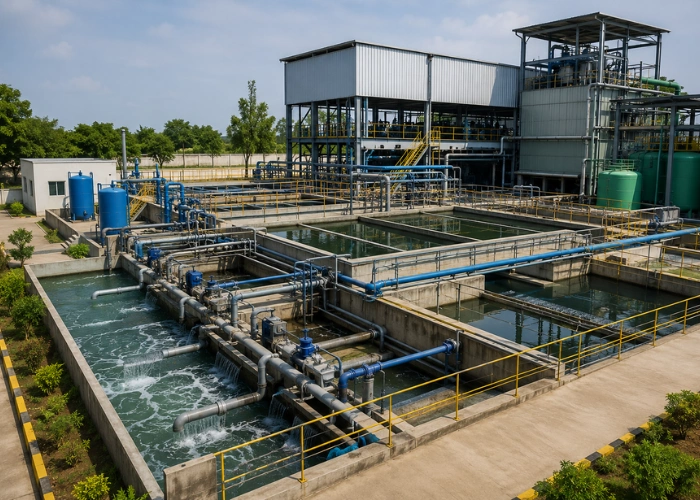
ETP/STP Systems
Talk to Us About Your Chimney Requirements
If you’re finalizing environmental systems for a new plant or need to bring an existing setup into compliance, get in touch and we’ll calculate chimney specifications based on your extraction system and site conditions.
Frequently Asked Questioned!
How is chimney height actually calculated?
It’s based on total emission volume from your extraction system, along with local environmental regulations and site conditions like nearby buildings that could affect how emissions disperse.
Does chimney diameter matter as much as height?
Yes. Diameter affects exhaust velocity, and if it’s too wide for the emission volume, velocity drops and dispersion becomes less effective even with adequate height.
Can one chimney handle both acid fume and zinc fume exhaust?
In many plants, yes, both streams can route into a shared chimney after passing through their respective treatment systems, though this depends on total volume and site layout.
Is emission monitoring required for every plant?
This depends on local environmental regulations and plant classification some jurisdictions require periodic monitoring, which affects chimney design if access ports are needed.