
Storage Tanks (HDPE & Vertical)
A galvanizing line runs on a steady supply of acids, chemicals, and water, and none of that works without proper storage. HDPE and vertical storage tanks hold the pickling acid, flux solution, and other process chemicals that feed the pre-treatment line, keeping supply consistent so tanks along the production line don’t run low mid-shift. HDPE is chosen for its resistance to acid and chemical corrosion that would eventually erode the regular steel tank, and vertical tanks make good use of the limited floor area in the factory.
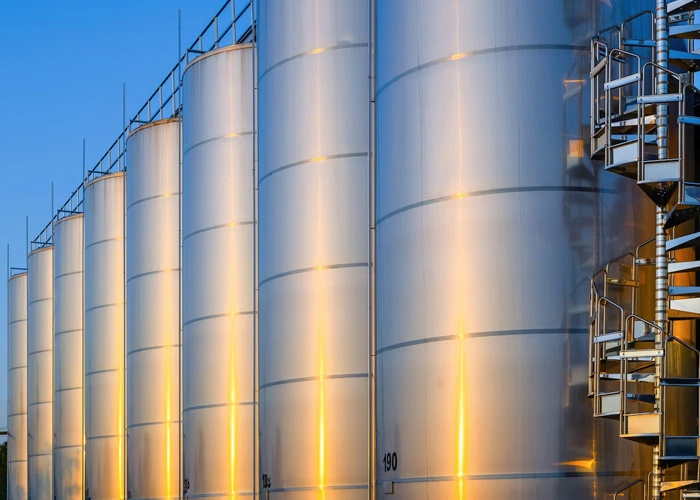
Key Features & Specifications
- HDPE construction resistant to acid, alkali, and chemical corrosion
- Vertical design to reduce floor space footprint in tight plant layouts
- Capacity sized to match daily chemical consumption and reorder frequency
- UV-stabilized material for tanks positioned in outdoor or semi-exposed areas
- Fittings and outlets configured for direct dosing into pre-treatment tanks
- Level indicators for monitoring stock without manual dipping checks
How It Works in the Galvanizing Line
Storage tanks sit upstream of the actual production tanks, holding bulk acid and chemical supply that gets fed into the pickling, fluxing, and passivation stages as needed. Without adequate storage capacity, plants end up reordering chemicals too frequently or running pre-treatment tanks at inconsistent concentration levels because they’re topped up in smaller, irregular batches. Proper storage sizing keeps the chemical supply chain predictable, which in turn keeps pre-treatment quality consistent.
Why Work With Us on Storage Tank Sizing
Undersized storage tanks create a ripple effect operators start rationing chemical use or delaying top-ups, which shows up later as inconsistent pickling or fluxing quality. We size storage capacity around your actual chemical consumption rate and how often you’re able to reorder, so storage isn’t the constraint that limits how smoothly the rest of the plant runs. Material selection also matters here using proper HDPE grade rated for the specific chemicals you’re storing avoids premature tank degradation.
Where This Applies
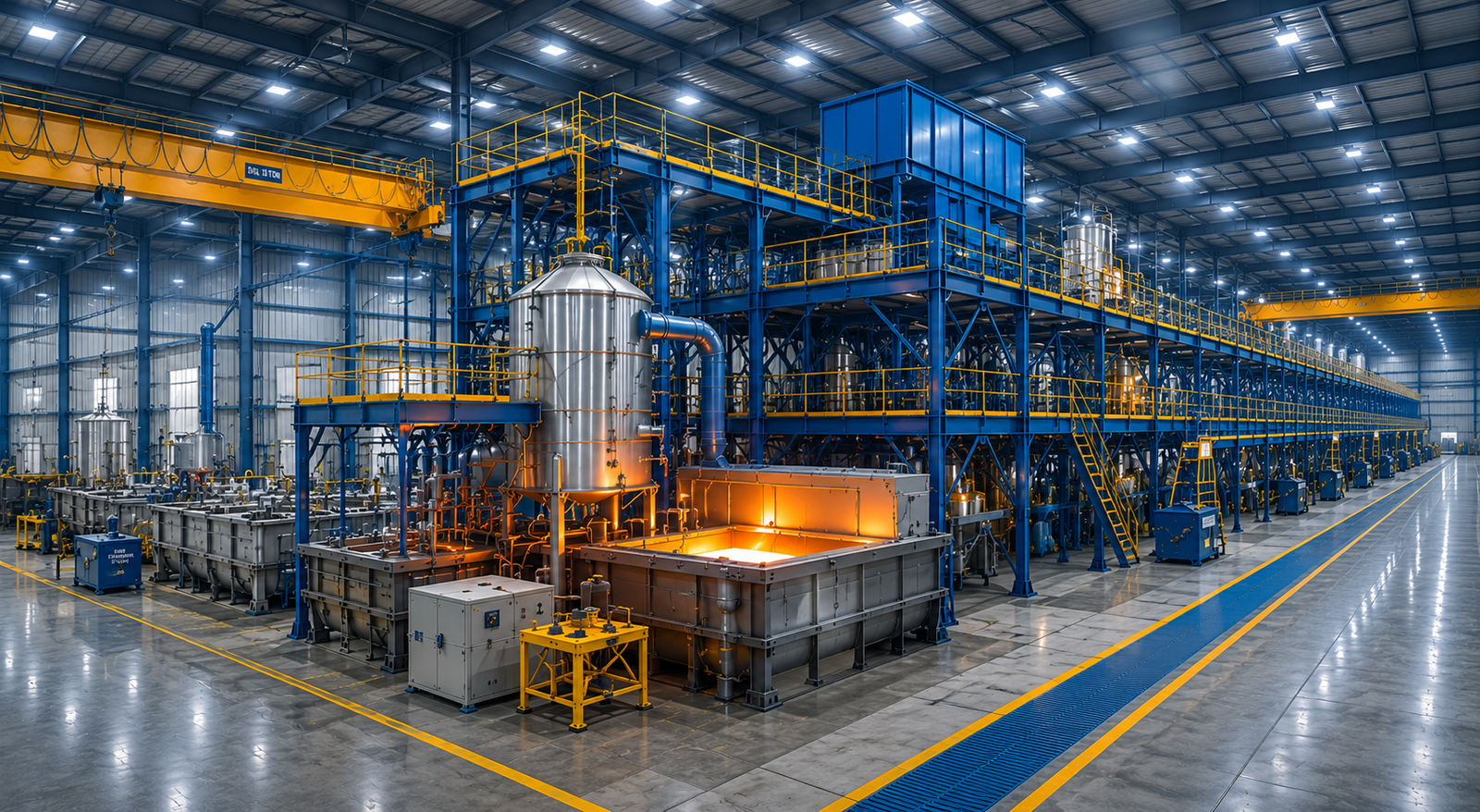
Storage tanks are needed across every plant type, since pickling acid and flux solution are used regardless of whether you’re running general galvanizing, tube and pipe systems, or spin galvanizing. Plants with higher production volumes or continuous multi-shift operation typically need larger storage capacity to avoid frequent reordering disruptions.
Sizing and Customization
Tank capacity, wall thickness, and fitting configuration are adjusted based on which chemicals you’re storing, your consumption rate, and available floor space. Vertical tanks are usually preferred where floor space is limited, while wider horizontal tanks may suit plants with more available room and higher single-batch storage needs.
Related Products
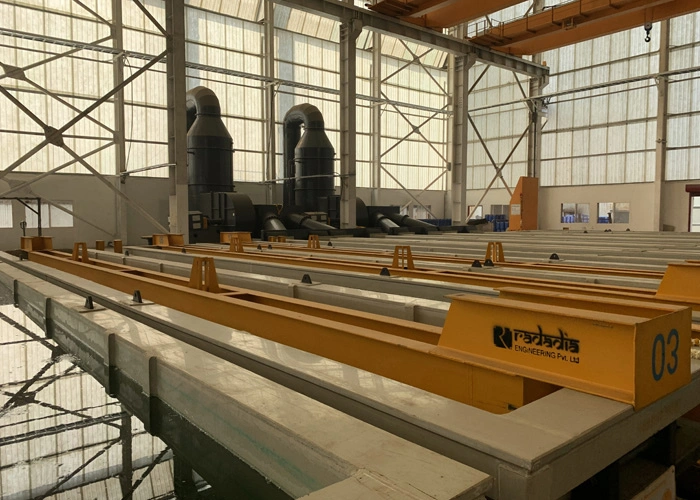
Pre-Treatment Tanks
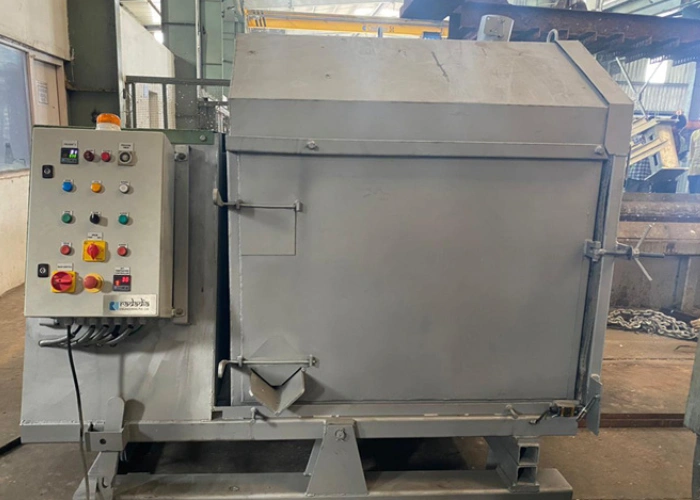
Zinc Recovery & Pump Systems
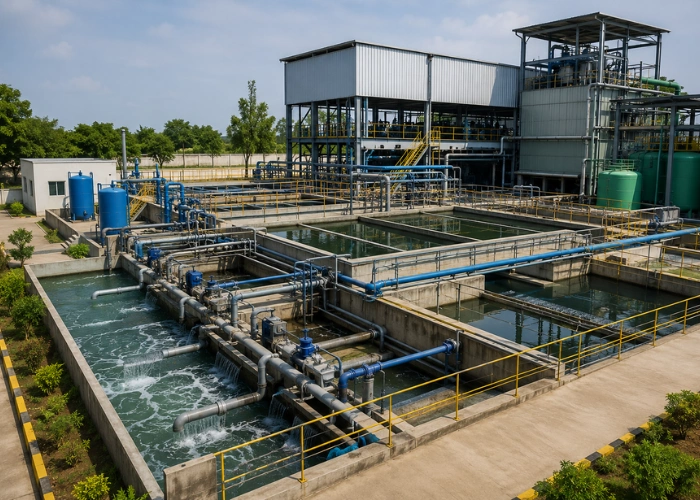
ETP/STP Systems
Talk to Us About Your Storage Tank Requirements
If you’re specifying storage tanks for a new plant or dealing with frequent chemical reordering issues, get in touch and we’ll size tanks around your actual consumption pattern.
Frequently Asked Questioned!
Why is HDPE used instead of standard steel for chemical storage?
HDPE resists corrosion from acids and chemicals that would gradually degrade standard steel tanks, making it a more durable option for long-term chemical storage in a galvanizing plant.
Why choose vertical tanks over horizontal ones?
Vertical tanks take up less floor space for the same storage capacity, which matters in plants where floor area is limited or already crowded with process tanks and handling equipment.
How is storage tank capacity calculated?
Capacity is based on your daily or weekly chemical consumption rate and how frequently you’re able to reorder supply, with some buffer built in to avoid running short between deliveries.
Do storage tanks need to be placed indoors?
Not necessarily, but tanks positioned outdoors or in semi-exposed areas typically need UV-stabilized material to prevent degradation from sun exposure over time.